-
From Gaza to the Euphrates, Alarm Bells for Mideast Water Resources
› The board of the United Nations’ lead organization on trade and development, called UNCTAD, released an assessment of Gaza’s development challenges during their annual meeting in Geneva this month and the news is not good. In 2012, the UN warned that a “herculean” development effort would be to keep pace with Gaza’s rapid population growth. Since then, more fighting with Israel has made things worse, particularly with regard to water and food security. Ninety-five percent of the water from Gaza’s coastal aquifer is unsafe for drinking without treatment, the report says. Contamination and over-extraction may even render it unusable by next year and damage may be irreversible if not addressed in the next five years.
 -
Pakistan’s Maternal and Child Health Problems “Huge Stumbling Block” to Development, Long-Term Security
›In the long term, improving maternal and child health is as critical to national security as any problem in Pakistan today, said a panel of experts including Minister of National Health Services Saira Afzal Tarar at the Wilson Center on September 9.
-
Sam Eaton, PRI’s The World
Human Traffickers Follow Floods in India, But Local Girls Are Fighting Back
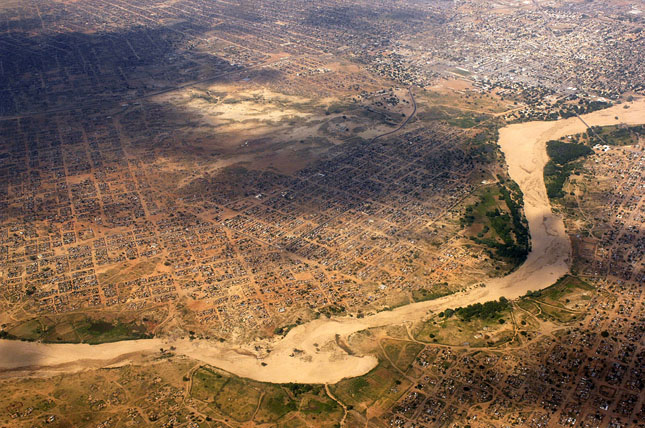
›September 17, 2015 // By Wilson Center StaffThe Sundarbans – a collection of densely populated islands in India’s sprawling Ganges Delta – are so remote that the only way to get there is by boat. But human traffickers still manage to get in, and that’s left many families with missing daughters.
-
Beginning With the End in Mind: Midterm Results From an Integrated Development Project in Lake Victoria Basin
›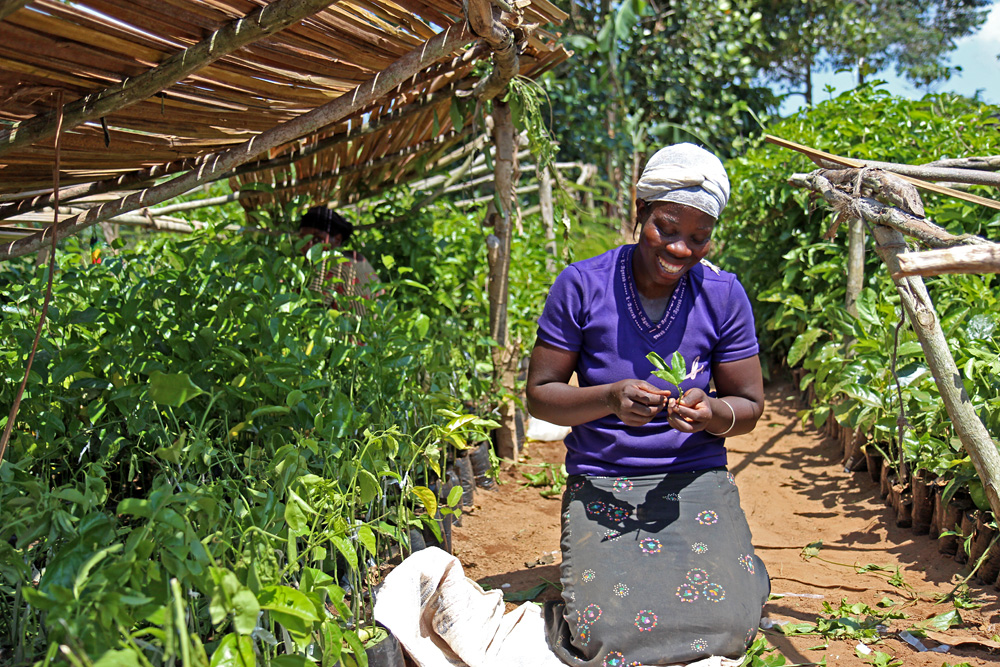
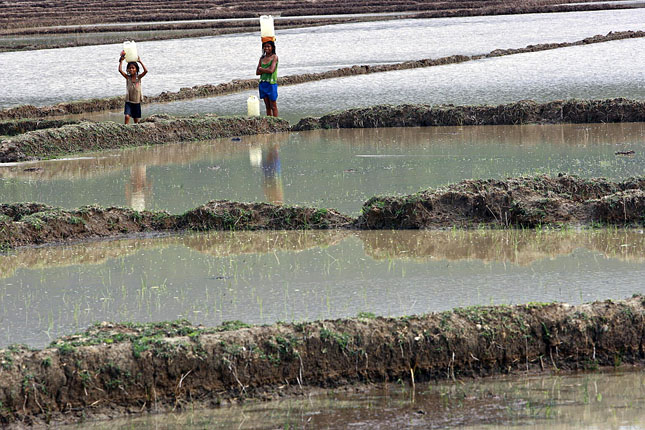
More than 80 percent of the estimated 42 million people living in Central Africa’s Lake Victoria Basin depend on fishing or farming for survival. Given this overwhelming reliance on natural resources, the lake’s deteriorating condition – driven by climate change, agriculture, pollution, deforestation, overfishing, and industrialization – has far-reaching implications.
-
Jim Jarvie, SciDevNet
Urban Resilience to Climate Change in Asia Critical as Strong El Niño Looms
›September 7, 2015 // By Wilson Center StaffAn advisory released this August by the U.S. National Weather Service warned this year’s El Niño could be among the strongest ever recorded, lasting well into the first few months of 2016.
-
Despite Massive Conservation, Recycling, Imports, Shenzhen Faces Water Shortages
›Shenzhen sits in subtropical south China, where four-fifths of the country’s water resources flow. The monsoon brings heavy rains from April to September; at its peak, Shenzhen’s more than 7 million residents see pouring rain almost every day. So why is this city facing a serious water shortage?
-
Violence Over Land in Darfur Demands We Look Again at Links Between Natural Resources and Conflict
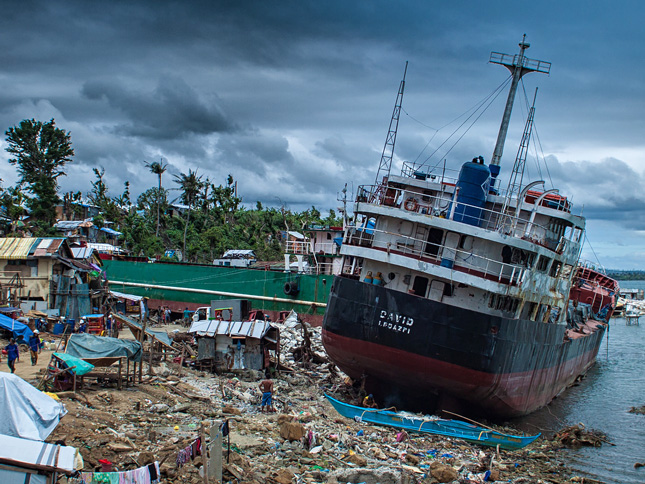
›Given that there have been three major peace processes in Sudan’s troubled western province of Darfur, the current escalation of violence indicates that perhaps something about existing approaches is failing to hit the mark. Identifying what is missing is vital – not just for Darfur, but for other areas with similar challenges of state fragility, poverty, and competition over natural resources.
-
Without Water, No Sustainable Development: World Water Week 2015
›The World Economic Forum recently named water crisis the world’s number one risk for the next 10 years for its potential impact on people and industry. Indeed, as the global community grapples with climate change – and environmental change of all kinds – understanding the fundamental nature if water to human society is crucial. The input report for this year’s World Water Week, released yesterday by the Stockholm International Water Institute, in fact argues that getting water management right is a prerequisite for sustainable development.
Showing posts from category population.