-
Michael Kugelman, Foreign Affairs
4 Myths About Climate Change in South Asia
›December 9, 2015 // By Wilson Center Staff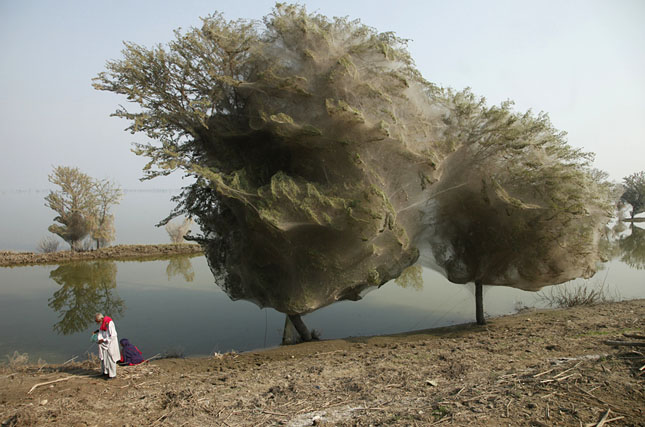
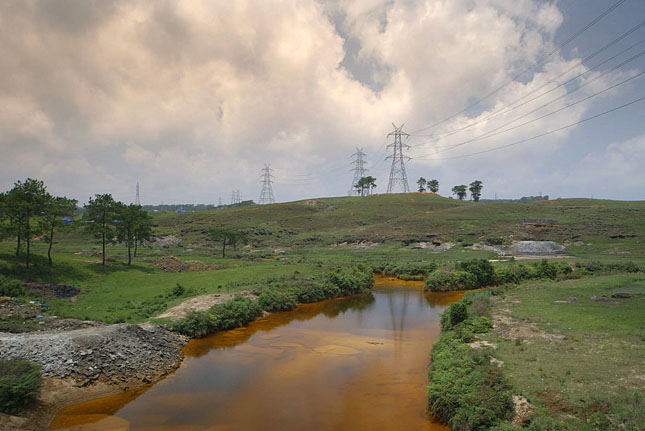
Climate change is a very real threat. It will have major implications for every country and region in the world, but South Asia is particularly vulnerable. To appropriately address the challenges there, the world will have to confront four misconceptions about climate change in South Asia. With world leaders convening in Paris to hash out a new agreement on climate change, now is the right time to do it.
-
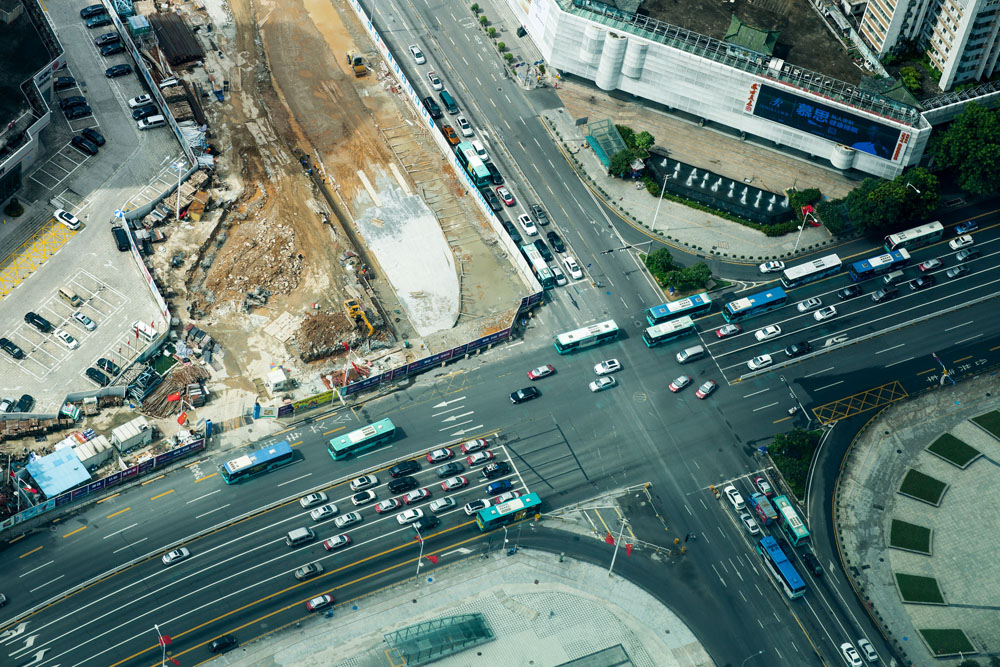
Can the “World’s Largest Urban Area” Clean Up Its Act? Shenzhen and the Pearl River Delta
›
SHENZHEN, China – In 1980, the year Deng Xiaoping established Shenzhen as China’s first special economic zone, opening its mercantile sectors to market capitalism and free trade principles, an attractive, tree-shaded commercial district known as Dongmen was home to 30,000 residents near the center of a metropolitan region of 300,000.
Thirty-five years later, Dongmen is a crowded commercial neighborhood of 300,000 residents at the edge of a metropolitan region of 18 million, China’s fourth largest.
-
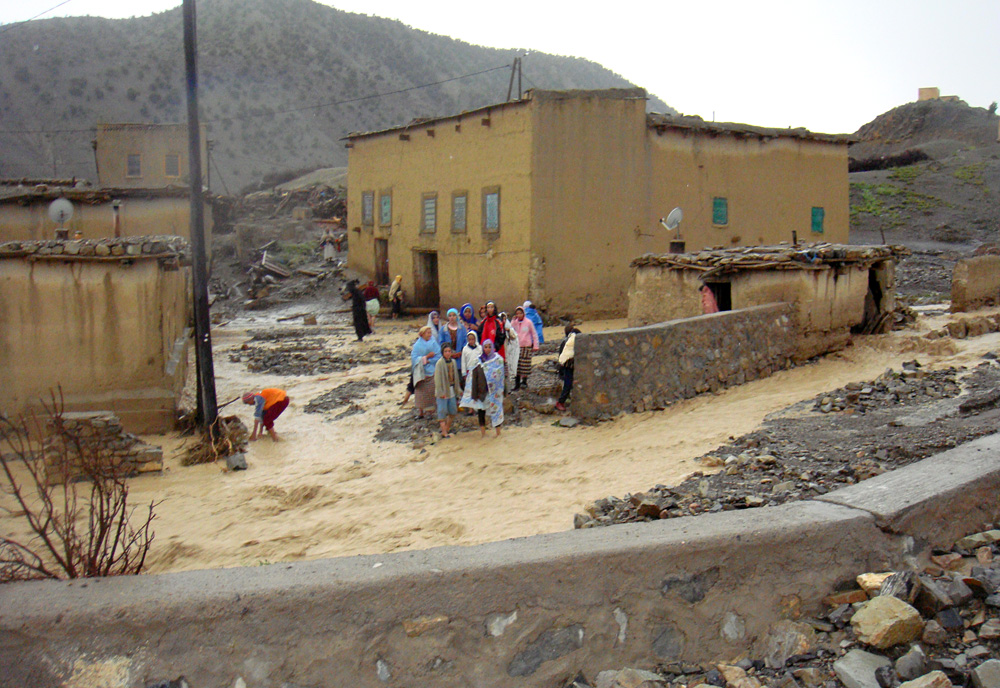
In Morocco, a Microcosm of What Leads Many to Leave Their Home Countries
›Global attention is understandably focused on Syrian refugees, but the migration crisis in Europe is part of a bigger trend that climate and social scientists have been warning about for years.
-
The Long Tail of Paris and What to Watch for Next
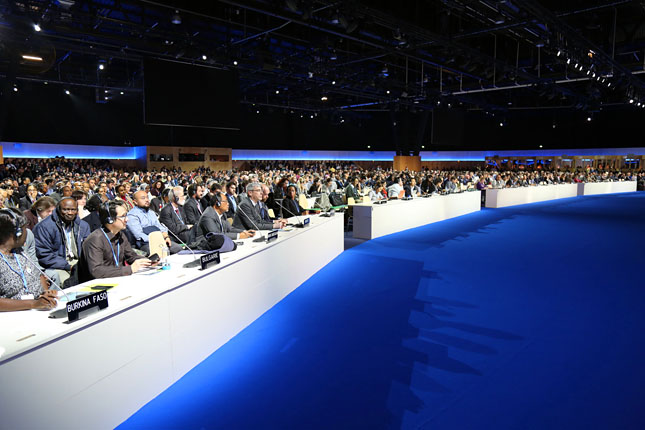
›December 4, 2015 // By Schuyler NullThe most important and anticipated climate change conference in years is finally underway. In some ways, as Bill McKibben and Andrew Revkin have pointed out, its success is relatively assured thanks to the number of major commitments countries have already made. But that doesn’t mean there’s nothing to see here. “The conference isn’t the game – it’s the scoreboard,” writes McKibben. To extend the metaphor even more, you might call it the league scoreboard, giving us a glimpse of many different storylines playing out.
-
Vik Mohan, Blue Ventures
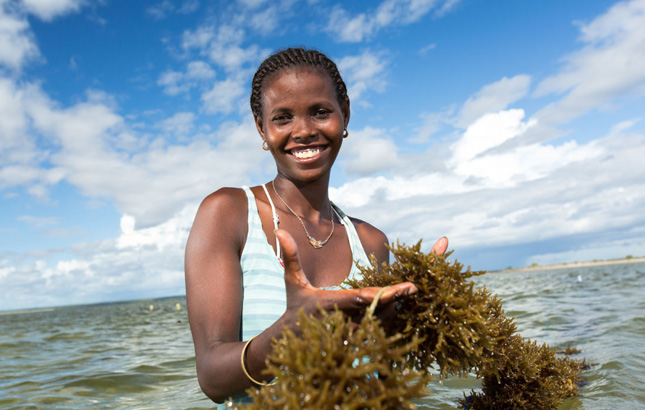
Climate-Resilient Development? We’re Doing It Already!
›December 2, 2015 // By Wilson Center StaffAs the UNFCCC Conference of the Parties (COP) gets underway in Paris, #resilience appears with increasing frequency on my Twitter feed, and I frequently hear talk about “socio-ecological resilience,” “climate-resilient development,” and “resilience programming.”
-
The ECC Factbook Illustrates How the Environment Can Contribute to Peace and Conflict
›In his speech on climate change and national security on November 10, Secretary of State John Kerry said climate change is already a “threat multiplier,” and that worse is to be expected if climate change continues unchecked. But the relationship between the environment and violent conflict is complex and often indirect. Researchers have been wrangling for years over the role that global environmental change plays in fueling conflict and state fragility.
-
Priyali Sur, Foreign Policy
South Asian Environmental Migrants Pushed to Back of Line in Refugee Flood
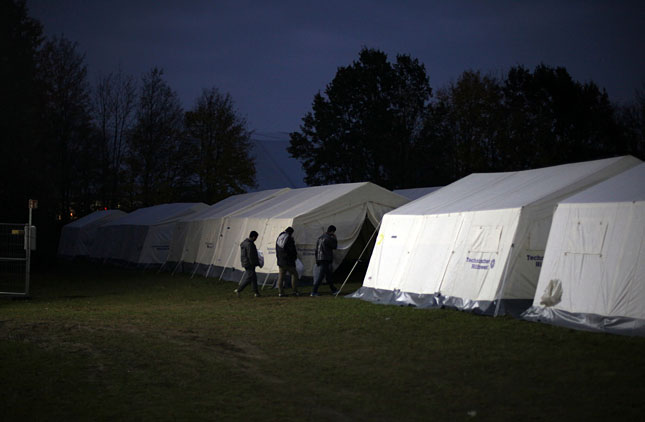
›November 26, 2015 // By Wilson Center StaffThe dark eyes and hair of the Pakistanis, Bangladeshis, and Afghans almost blend with the other migrants’. The brown skin tones are also not giveaways, but ask them where they come from, and you notice the hesitation – trying hard to blend into the crowd of Syrian migrants at Europe’s border crossings, afraid of being spotted and sent back.
-
A River Runs Again: Reporting on India’s Natural Crisis
›The world’s second most populous country – projected to be first by 2022 – is developing faster than ever before, roiling the social, political, and environmental landscape. [Video Below]
Showing posts from category population.