

-
Going Beyond “Conflict-free”: Transition Minerals Governance in DRC and Rwanda
›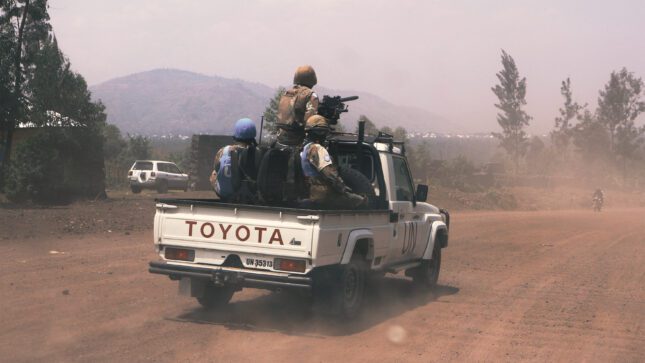
Resource-rich nations such as the Democratic Republic of Congo (DRC) and Rwanda—which produce minerals ranging from coltan, cobalt, gold, tungsten, and tantalum, to tin (3TG)—hold tremendous importance in the global supply chains. The DRC produces 70% of global cobalt production, while its neighbor, Rwanda, generates around 30% of Tantalum.
-
ECSP Weekly Watch | July 22 – 26
›
A window into what we are reading at the Wilson Center’s Environmental Change and Security Program
Worsening Health Conditions in War-Torn Gaza (BBC)
Water infrastructure in Gaza was already weak before the beginning of the war in 2023, but intensified conflict and siege of critical infrastructure the damage wreaked by Israel’s military forces on critical infrastructure (including water, energy, and food), has left 70% of the people in Gaza exposed to salinated and contaminated water. Traces of polio have been found in wastewater flowing both between displacement camp tents and in inhabited areas, and experts suggest that this water might be circulating.
-
ECSP Weekly Watch | July 15 – 19
›A window into what we are reading at the Wilson Center’s Environmental Change and Security Program
Shedding Light on Imperial Oil’s Dark Waters (Mongabay)
Canada has the fourth-largest tar sands (oil deposits) in the world. Separating the bitumen used in industries and construction creates large volumes of toxic wastewater, which is stored in tailings ponds that now cover a staggering 270 square kilometers. Unresolved infrastructure mishaps at one such site in Alberta operated by Imperial Oil means that contaminants have polluted nearby waters so significantly that it has affected public health and the livelihoods of indigenous communities in downstream areas.
-
World Population Day: Revitalizing Discourse on Population, Development, and Rights
›July 11 is World Population Day—designated annually by the United Nations as a focused opportunity to examine population trends and their implications for society. This year, World Population Day offers a chance to reflect on the 30th anniversary of one of the largest and arguably most influential world population conferences in history—the 1994 International Conference on Population and Development (ICPD).
-
ECSP Weekly Watch | June 24 – 28
›A window into what we are reading at the Wilson Center’s Environmental Change and Security Program
Renewable Energy Needs a Social Vision (Mongabay)
The Zapotec of the Isthmus of Tehuantepec have accused energy giant EDF (Électricité de France) of causing human rights abuses while building wind farms in Oaxaca state. They also claim the company intimidated and harassed social movements who opposed this construction on their ancestral lands. The Zapotec are indigenous peoples of Mexico who call themselves Bën Za or “The People”—and after three years of struggle and stalling tactics by EDF’s legal representatives, French courts have authorized their civil case filing at last.
-
Climate Change and Children’s Mobility
›Environmental shocks have been linked to significant changes in human migration around the world. Yet the large literature on environmental change and migration to date has primarily focused on working-age adults, working largely on the assumption that climatic impacts are most likely to influence labor migration.
-
State of the World Population Report: Interwoven Lives
›In 2024, the world marks the thirtieth anniversary of the 1994 International Conference on Population and Development (ICPD) in Cairo. At this pivotal meeting, 179 countries produced a watershed Program of Action (PoA) that put people at the center of development to better realize health, rights and choices for all. This PoA prioritized human rights, the empowerment of women and girls, and addressed existing inequalities. It also put forth a new strategy that emphasized vital linkages between population and development that moved away from a focus on demographic targets, like fertility rates, and shifted the focus to the needs of individual women and men.
-
The Arc | Dr. Renata Giannini on Women Environmental Defenders in the Amazon and Climate Mitigation
›In today’s episode of The Arc, ECSP’s Angus Soderberg and Claire Doyle interview Wilson Center Fellow Dr. Renata Giannini about her work with women environmental defenders in the Amazon and their role at COP30 in Brazil. Select quotes from the interview are featured below.
Showing posts from category population.
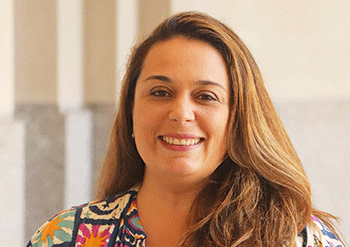 In today’s episode of The Arc, ECSP’s Angus Soderberg and Claire Doyle interview Wilson Center Fellow Dr. Renata Giannini about her work with women environmental defenders in the Amazon and their role at COP30 in Brazil. Select quotes from the interview are featured below.

