-
Tip of the Iceberg: Polar Ice Loss Effects the Planet
›
When the United States purchased Alaska from Russia, Americans considered the “frozen wasteland” to be a reckless, wasteful acquisition. What could ice possibly offer?
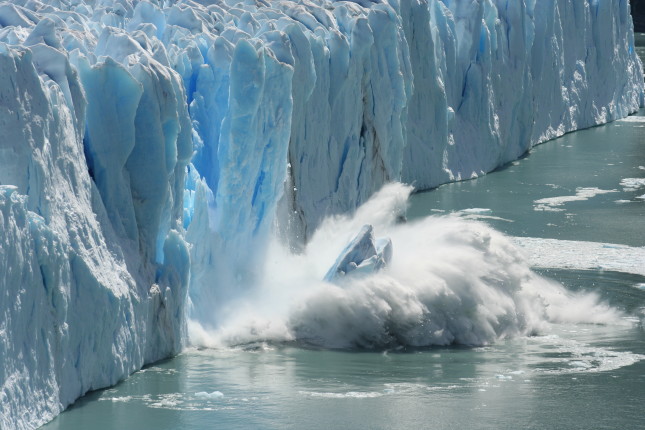
In fact, polar ice is a critical resource for the Earth. The summer and fall of 2020 marked the lowest sea ice extent ever recorded in the Arctic Ocean, and the Intergovernmental Panel on Climate Change (IPCC) says contemporary September sea ice extents are so low that they are unprecedented in at least 1,000 years. Moreover, collapses in the ice shelves of West Antarctica, Canada, and Greenland raised concerns in 2020. The immediate effects of climate change in the polar regions are merely the tip of the iceberg—ultimately, they have profound effects on climate and communities around the world.
-
Managing Fisheries Conflict in the 21st Century: A Role for Regional Management Organizations?
›
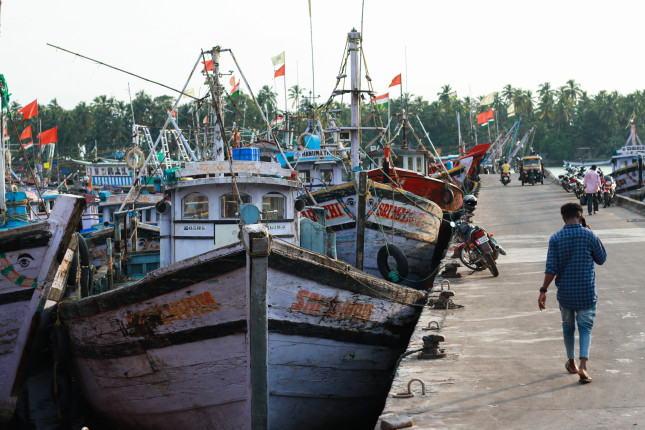
Are climate change and declining fisheries productivity likely to lead to a future of fish wars, or can existing fisheries management institutions evolve to help prevent large-scale fisheries conflict? From militarized fishing practices in the South China Sea, to the ongoing wrangling between the European Union and Great Britain over fishing rights, to violent clashes between indigenous and non-indigenous fishers in Canada, fisheries are at the center of many international, or at least inter-governmental, disputes.
-
Leverage COVID-19 Data Collection Networks for Environmental Peacebuilding
›Environmental peacebuilding could benefit from COVID-era data innovation. A well-documented obstacle environmental peacebuilders face is a lack of shared, empirical datasets among parties engaged in, recovering from, or descending into conflict. Current innovations in data collection may soon help seal these gaps.
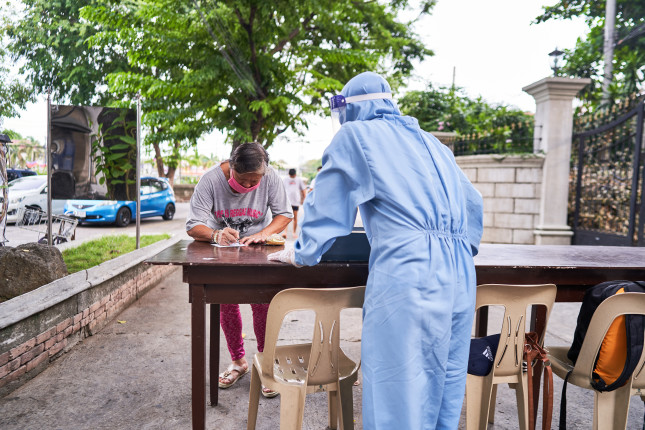
Countries throughout the world have expanded their data collection capabilities to track the spread of COVID-19. From text message contact tracing to drone surveillance, these innovations inform national responses and shape the global case counting webpages that many of us anxiously refresh every day. The information networks established during the pandemic may endure far into the future, informing new goals, projects, and policies.
-
Waste Not Want Not: Malaysia Moves to Become a Leader in Tackling Plastic Waste
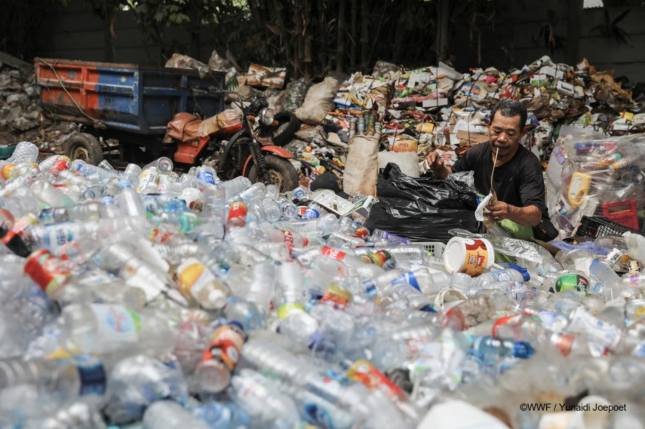
›After China issued its plastic waste import ban in January 2018, global plastic waste shipments were quickly rerouted to Southeast Asia, with Malaysia as a top recipient. Like bamboo sprouts after the rain, illegal plastic recycling facilities quickly popped up in Malaysia. To stay under the radar, some operators set up recycling plants and waste dumpsites in oil palm plantations.
-
COVID-19 Adds to Challenges of Curbing Child Marriage
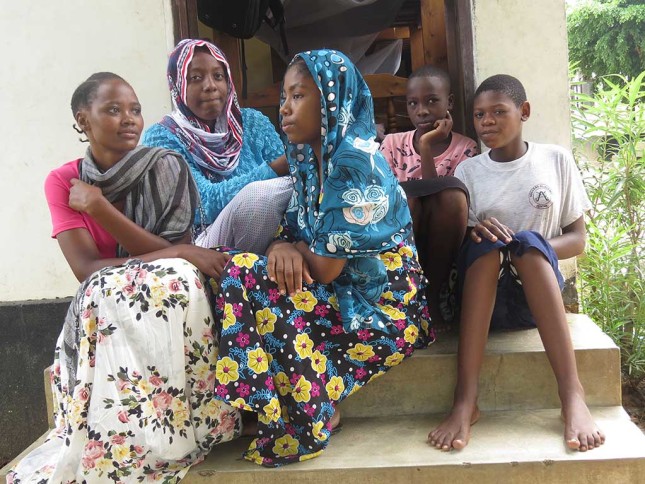
›When Mwanahamisi Abdallah’s mother announced plans to marry her off to a stranger, the 14-year-old Tanzanian girl burst into tears. She had no desire to marry—especially after learning the man already had three wives. Remembering advice from a teacher, she phoned authorities to intervene. They blocked the wedding and eventually delivered Mwanahamisi from her village in southeastern Lindi region to a girls’ shelter in Dar es Salaam.
-
Earth Intel: Enhancing Researcher-Practitioner Partnerships to Address Eco-Security Challenges
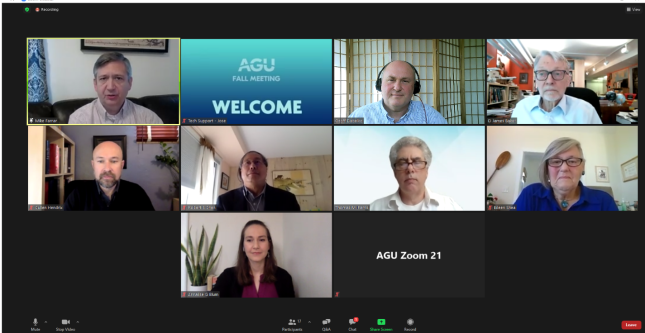
›“One of the most important accomplishments of the MEDEA program was to convince the intelligence community that near-term climate change is important for national security,” said D. James Baker, former Administrator of the National Oceanic and Atmospheric Administration (NOAA) and member of the MEDEA Program, at a panel at the American Geophysical Union’s virtual 2020 Fall Meeting. Organized by ISciences LLC’s Tom Parris, CASE Consultants International’s Eileen Shea, and Columbia University’ Robert Chen, the panel focused on how to build an effective knowledge-to-action enterprise that helps policymakers and society respond to emerging eco-security challenges. (See below for links to short, pre-recorded videos panelists shared prior to the panel to inform the discussion.)
-
The Climate and Ocean Risk Vulnerability Index: Measuring Coastal City Resilience to Inform Action
›Guest Contributor // January 26, 2021 // By Jack Stuart, Sally Yozell, Miko Maekawa & Nagisa YoshiokaAs the climate crisis continues to worsen, climate finance remains a fraction of what is needed. The Climate Policy Initiative estimates that $579 billion was spent on average on climate finance in 2017/18. This includes domestic and international investment from both the public and private sectors towards climate mitigation and adaptation actions. Of this amount, only $30 billion—five percent—was allocated for climate adaptation. This amount stands in stark contrast to $180 billion, which the Global Commission on Adaptation estimates is needed every year to build resilience to current and future climate impacts. This catastrophic funding gap is intensifying climate security threats and elevating the vulnerability of people across the world, particularly in coastal urban centers.
-
The Third Wave of Environmental Peacebuilding
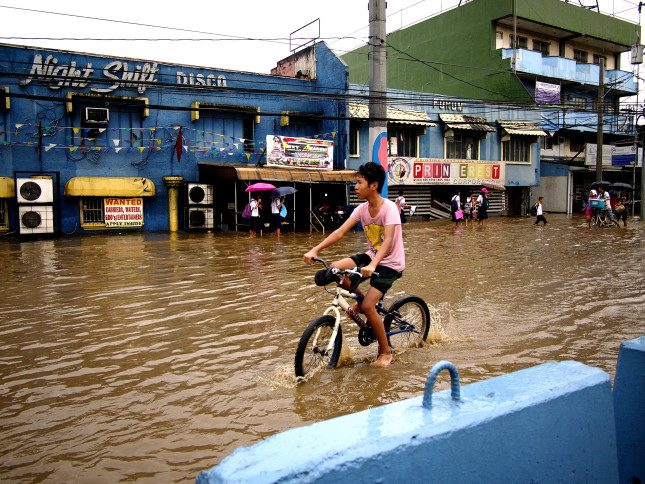
›For most of 2020, news, politics, policy, and research in the United States and abroad were dominated by the challenges posed by COVID-19, a rapidly unfolding global pandemic unprecedented in scale and cost. For much of the world, however, COVID-19 in fact competed with many other highly destructive events including a cascade of environmental disasters. Swarms of locusts pushed much of the Horn of Africa into or close to famine; 30 severe storms including Hurricanes Iota and Eta battered the Atlantic coasts; some 4 million acres of forest burned to the ground in California, doubling the previous high reached in 2018; typhoons ravaged the Philippines; floods overwhelmed parts of Indonesia; and many regions around the world experienced devastating heat waves. In addition to disaster patterns, the trends in violent state conflict were equally alarming, reaching their highest level since the end of World War II, according to a 2020 report on conflict trends from PRIO. In the most violent conflicts, in Syria and Yemen, the impacts of war have been amplified and complicated by the impacts of drought and years of environmental mismanagement.
Showing posts from category *Main.