-
Building an On-ramp for Catalytic Capital to Reduce Plastic Leakage: Q&A with Circulate Capital’s April Crow
›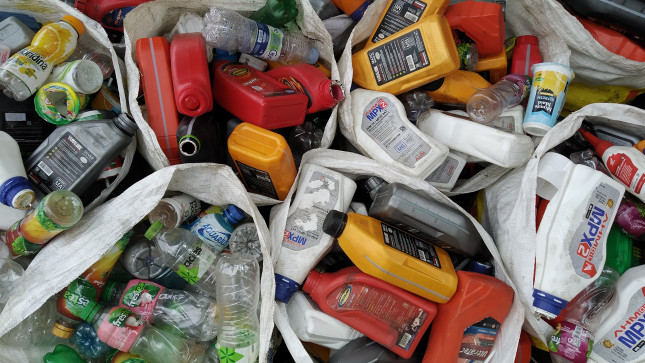
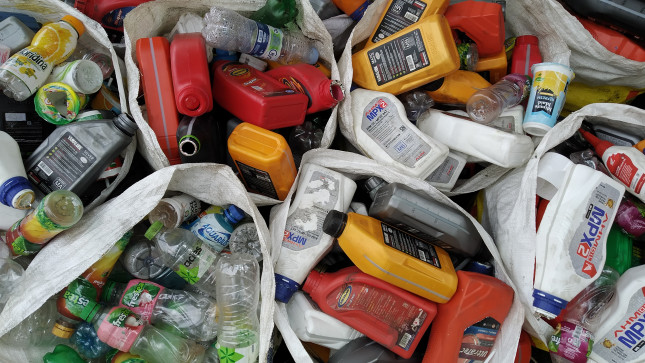
Back in 2005, as a part of the Coca-Cola Company Environmental Team, April Crow was a pioneer working on the concept of sustainable packaging. In the mid-2000s, despite stories on the great pacific garbage patch, ocean plastic waste was not high on policy or corporate agendas. April believed this was due to a lack of scientific data on the scale and threat of plastic waste. To fill this gap, April’s team partnered with Ocean Conservancy to convene leading scientists to help fill these knowledge gaps. Their research found the majority of marine plastic pollution stemmed from five Asian countries that lacked waste management infrastructure, which if fully in place, could reduce leakage by 45 percent. This insight raised a challenging question—how can companies and aid agencies bring funding to these markets to facilitate better infrastructure and prevent plastic leakage?
-
COVID-19 Causes Dire Disruptions in Maternal, Child, and Reproductive Health Services
›
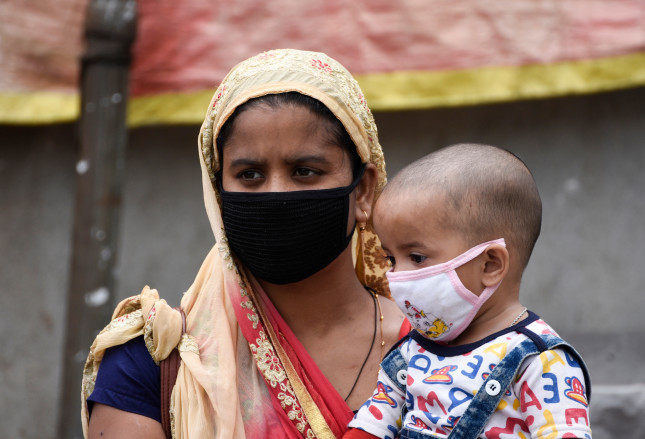
“The pandemic has undoubtedly resulted in more deaths and more illness – particularly for the most vulnerable women and children,” write the authors of a new United Nations International Children’s Emergency Fund (UNICEF) report examining the direct and indirect effects of the COVID-19 pandemic in South Asia. The report found that the disruptions in several essential health services due to the COVID-19 pandemic had a “substantial impact” on maternal and child mortality in the region.
-
Arctic Security Redefined: Human Security Through an Arctic Urban Lens
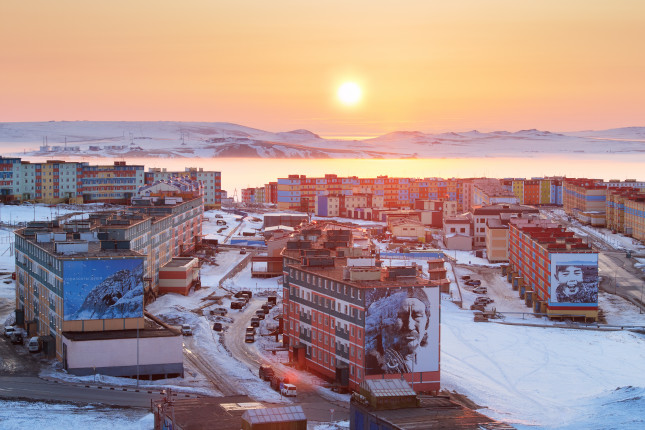
›“We are so few, we have no one to lose,” said Christina Henriksen, the president of Saami Council, during an interview on Coronavirus in the Arctic. The COVID-19 pandemic highlights the vulnerability of Arctic residents and the longstanding challenges related to the lack of sanitization, social infrastructure, and health service capacities. The impacts of the pandemic are coupled with the potential negative effects of climate change, including a 3-5 °C temperature increase projected over the Arctic Ocean by 2050.
-
Avoiding Crisis in Jordan’s Tenuous Water Future
›Jordan is facing a deepening, multi-faceted freshwater crisis. Climate change and population growth are exacerbating its extremely limited natural water availability and dependence on transboundary rivers and groundwater. Water-poor and functionally landlocked, Jordan serves as an archetype of a water-stressed nation.
-
Improving America’s Ecological Security Requires Public-Private Partnerships
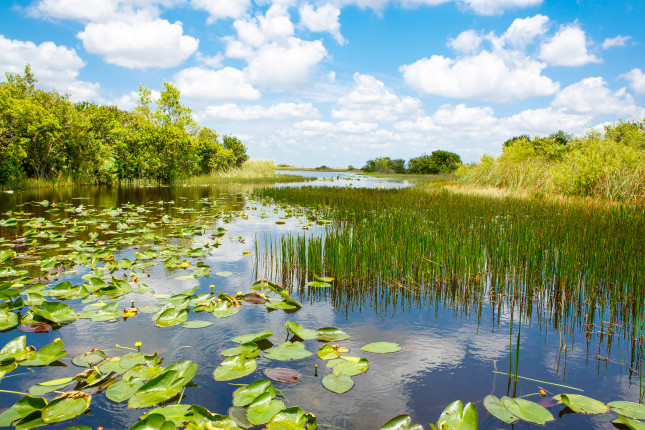
›In January, President Biden joined other world leaders in committing to conserve 30 percent of their nations’ lands and oceans by 2030. Also known as “30 by 30,” the pledge aligns government action with the growing recognition by the intelligence community that the loss of ecosystems and biodiversity presents serious risks to the U.S. economy and national security. Risks to the U.S. include the expanded likelihood of wildlife-borne diseases spilling over into our communities, water system challenges, decreased crop production, and increased natural disasters like floods.
-
Elizabeth L. Chalecki, The Internationalist
An Internationalism that Protects: Why We Need to Reboot the Baruch Plan for Geoengineering
›March 26, 2021 // By Wilson Center StaffNew planet-changing geoengineering technology is available to help humanity combat an existential security threat. However, like atomic fission, this technology is not to be jumped at without caution.
This year is the seventy-fifth anniversary of the Baruch Plan. Almost no one knows this, or if they do, they probably don’t remember who Bernard Baruch was, or what his eponymous plan was for. But the Baruch Plan of 1946 was our first and last real attempt at world governance of nuclear weapons. Three-quarters of a century later, the ill-fated effort carries important lessons for addressing the crisis of climate change.
-
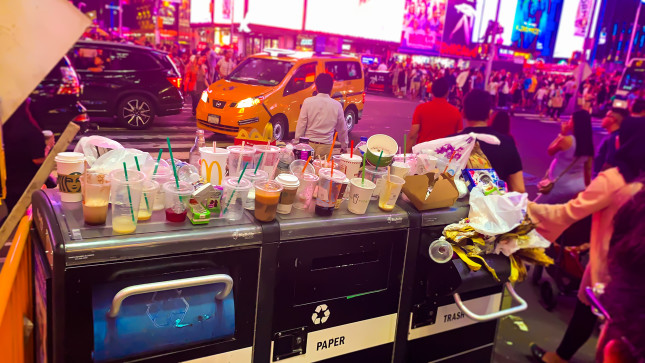
Championing Ecological Health and Environmental Justice in Plastic Action: Q&A with Judith Enck, Founder of Beyond Plastics
›“There is one thing I think about a lot: how do you get people active on plastic waste? How do you structure having impact?”
Judith Enck discovered her interest in environmental activism when she interned in college for the New York Public Interest Research Group (NYPIRG) and was asked to lobby for the Returnable Container Act (commonly referred to as the Bottle Bill), which had stalled for 10 years. The difficulty she faced in lobbying for this relatively simple bill motivated her to return for a second internship. After graduation, she abandoned plans for social work or law school to return to environmental advocacy and quickly became the executive director of Environmental Advocates NY. The bill eventually became a New York State law in 1982 and has since prevented the unnecessary export or landfilling of billions of plastic bottles. Judith learned important lessons from that victory and has been making her mark on America’s waste policy ever since.
-
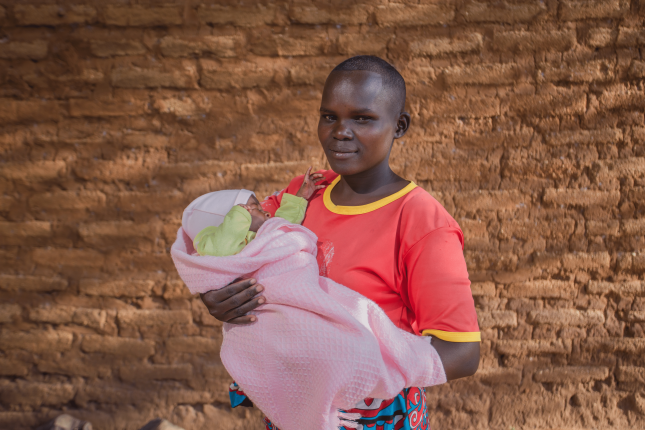
Ensuring Essential Health Care for Mothers and Newborns During the Pandemic
›Africa in Transition // Covid-19 // Dot-Mom // Guest Contributor // March 24, 2021 // By Koki AgarwalJoyce Makasi, a young woman in Kambiti village, Kitui County, Kenya, went into labor with her second child one afternoon in December 2020. She had just enough money to hire a motorbike to take her to nearby Waita health center. At the facility, the clinical officer and nurse told her she would need a cesarean delivery. It wouldn’t be her first cesarean, but COVID-19 presented new obstacles.
Showing posts from category *Main.