-
COVID-19 and the Fight Against Climate Change: What Have We Learned?
›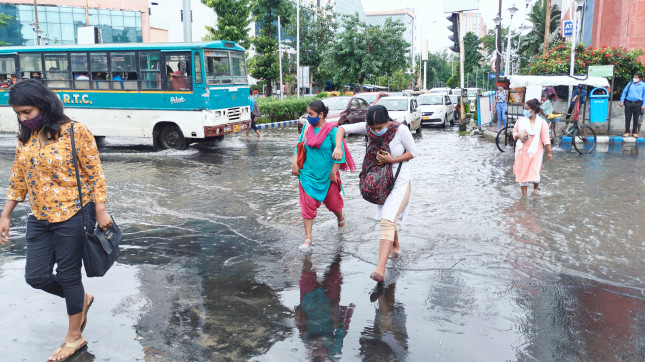
As the world continues to battle the COVID crisis, we must not lose sight of the greatest long-term threat faced by mankind: climate change.
COVID-19 and its even more contagious variants have wrought misery upon our world, inflicting massive loss of life and sickness, widespread disruption of health services, and economic ruin with ensuing social upheaval. There is no silver lining.
We can, however, attempt to extract useful lessons from the strategies and tactics──both successful and unsuccessful──used to battle the contagion to better array our forces against that other pending global catastrophe: climate change.
-
Peaceful Minefields: Environmental Protection or Security Risks?
›
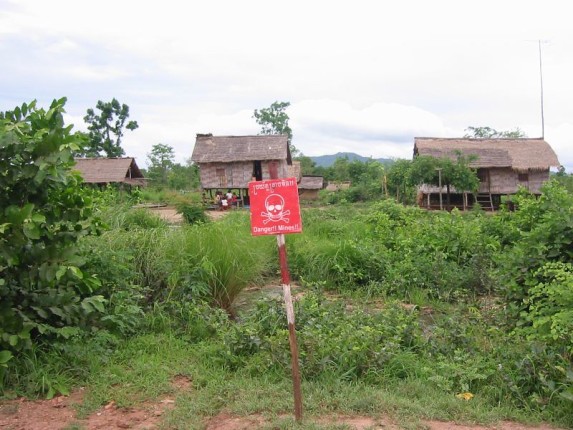
On my first tour of a Cambodian minefield in 2010, the demining supervisor of the platoon of deminers brought me through a tapioca field where heavily armored men and women stood in lines. I was not allowed beyond the bright red signs with skulls and crossbones. Wearing bulletproof helmets, masks, and aprons, they slowly and tediously walked through the field, using a metal detector to sweep the ground in front of them, the sun reflecting off the long plastic visor. To avoid the heat of the Cambodian sun, they began their work early in the morning. In the golden hour of sunrise as dawn gilded the fields, the sounds of a distant Buddhist temple surrounded us with chanting. I commented on how beautiful it was.
-
Why Addressing the Climate Crisis Can Help Build More Sustainable Peace
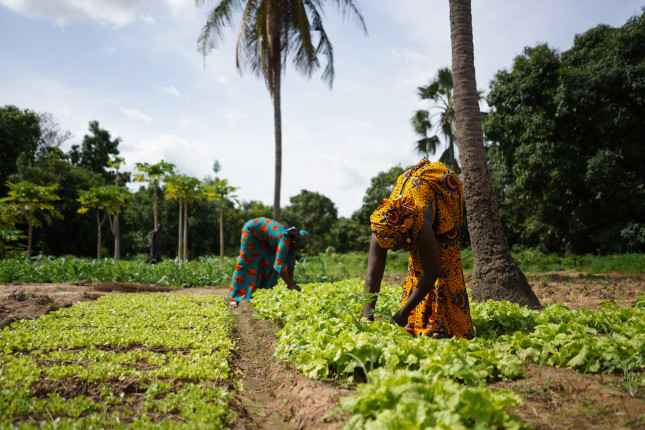
›Thirty years of research underlies the realization that climate change poses substantial national, international and human security risks, but analysts have only recently shifted their focus toward how to simultaneously build peace in post-conflict environments and grapple with the dual challenges of mitigating and adapting to climate change. In a recent article in World Development article, we propose what causal pathways can simultaneously facilitate climate change adaptation, increase resilience, improve natural resource governance, and build more sustainable peace.
-
What Next for U.S. Engagement on Cambodia’s Protected Forests?
›Cambodia’s lush Prey Lang rainforest is abundant with animals, insects and birds, including endangered species, and diverse types of forests. It also provides resin tapping and other sources of livelihood for some 250,000 people, many of whom are Indigenous Kuy, living within or adjacent to the forest.
-
Water and (in-)Security in Afghanistan as the Taliban Take Over
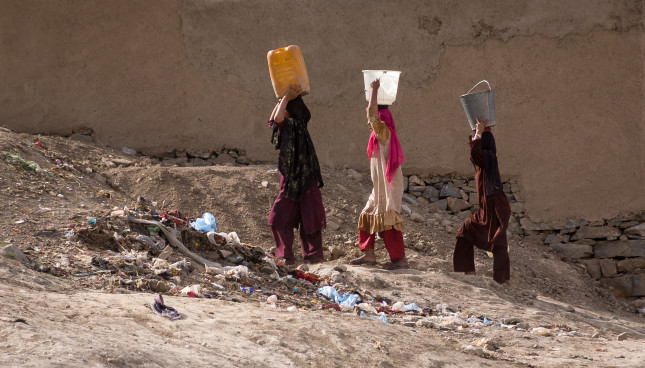
›The takeover of Afghanistan by the Taliban not only threatens people’s lives, security, and fundamental freedom, but also significantly increases risks of water insecurity both immediately and in the long term. While our hearts and minds are with the people struggling for survival and freedom in Afghanistan today, we should not forget that the implications of Taliban rule will add yet another challenge to the long-term future of the Afghan people, and possibly also to the entire region’s stability.
-
Don’t Bury Me in Trash — From Recycle to Reduce in West Papua: Q&A with Misool Foundation’s Virly Yuriken
›With white sandy beaches, cerulean waters, and lush jungles, Indonesia’s Raja Ampat Islands are some of the world’s most beautiful islands—and currently under threat from a growing plastic waste crisis. Covering 40,000 square kilometers of land and sea off the northwest tip of West Papua, Raja Ampat lies at the intersection of the Indian Ocean and Pacific Ocean tides in a biodiversity hotspot known as the Coral Triangle.
-
Predicting the Rise and Demise of Liberal Democracy: How Well Did We Do?
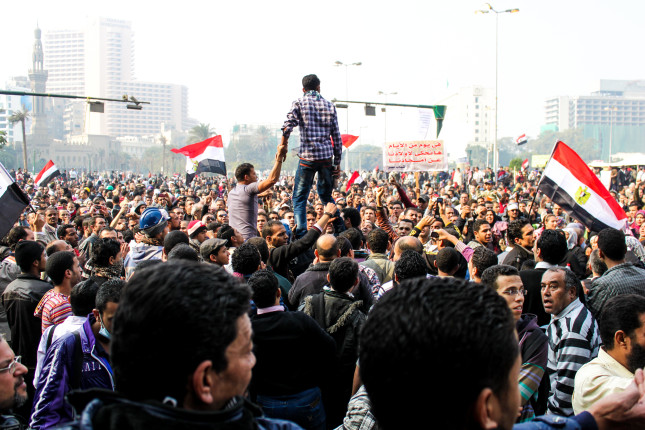
›In 2007, at the (U.S.) National Intelligence Council, a colleague and I set out to determine if we could forecast two distinct political phenomena, the rise and the demise of high levels of democracy. To guide our decade-long forecasts, we relied on a simple statistical model and a spreadsheet of demographic projections from the UN’s 2006 World Population Prospects data set. Now that the experimental period (from 2010 to 2020) has ended, we can look back and ask: How well did these forecasts perform?
-
To Build or Not to Build: Western Route of China’s South-North Water Diversion Project
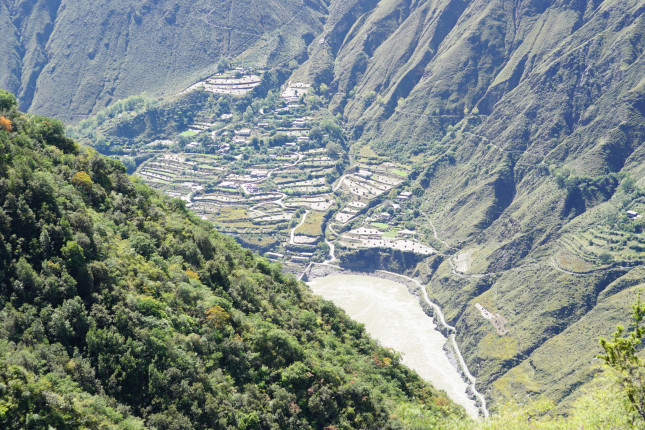
›China Environment Forum // Guest Contributor // August 12, 2021 // By Hongzhou Zhang & Genevieve Donnellon-MayOne of the biggest challenges facing China’s future development is water, which must support the country’s 1.4 billion people and booming industries. Despite being one of the top five countries with the largest freshwater resources, on a per capita basis, China faces serious water shortages which are further compounded by a highly uneven spatial distribution and precipitation: the densely populated north suffers from acute water shortages whereas the south is prone to severe floods. To optimize the allocation of water resources, China has embarked on the construction of a mega engineering project, the South North Water Diversion project (SNWD).
Showing posts from category *Main.