

-
Climate Security at USAID: (Re)defining an Integrative Issue
›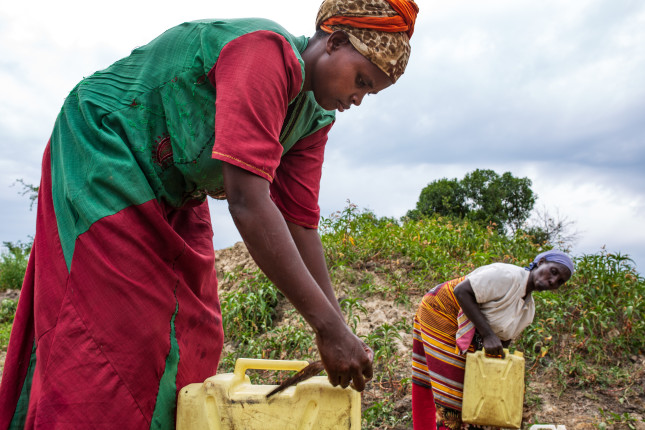
Climate security is an essential conceptual framework to understand the global interplay of biophysical and socioeconomic forces that threaten our planet. Indeed, it is so important that new currents of science, politics, and advocacy make refining definitions a necessity.
-
Fishing for Equity and Inclusion: Women’s Socioeconomic Factors in Kenyan Fisheries
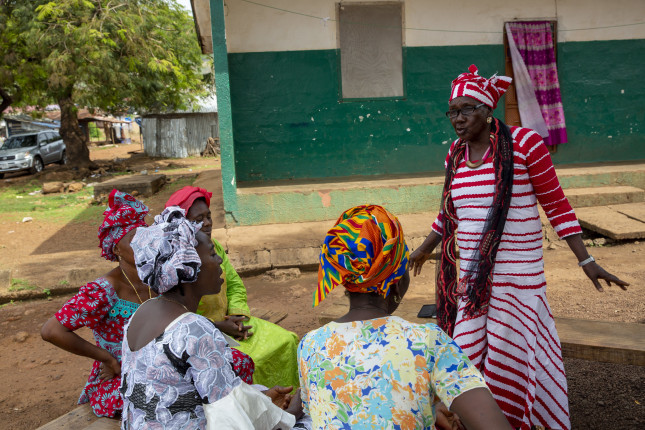
›August 29, 2022 // By Margaret Gatonye Seeing Loreta sort and dry her Omena sardines at the shores of Lake Victoria in Western Kenya, one may dismiss this small, middle-aged woman as an ordinary fishmonger struggling to earn a living.
 -
Agricultural Land in Russian Territorial and Geopolitical Ambitions
›The negative impacts on global food security wrought by Russia’s war in Ukraine are obvious. But recent news that Russia currently occupies more than one fifth of Ukrainian farmland, draws attention to another dimension of this politically-induced food and agricultural crisis: land itself. Of course, territory has long been an object of conflict and warfare. But agricultural land—in particular—is also a key, though understated, dimension of the geopolitical ambitions undergirding Russian activity at home and abroad.
-
Creating an Environment of Peace Means Avoiding Backdraft
›The much-needed transition to a zero carbon, green economy offers opportunities to contribute to peace, but only if the conflict risks of transition are understood and managed to produce a just and peaceful transition. That means minimizing “backdraft”—the unintended negative impacts of transition that are a key obstacle to that goal.
-
Turning Power on its Head: A Meaningful Shift Toward Localization
›Of COVID-19’s many lessons, one is most critical to our collective next steps:
Business as usual in global health is no longer possible.
The pandemic exposed weaknesses in health systems across the world, and particularly in the delivery of equitable, high-quality reproductive, maternal, newborn, adolescent, and child health (RMNCAH) services. It also reinforced that effectively addressing these challenges requires rapid, responsive approaches driven and owned by countries and local institutions.
-
New Global Health & Gender Policy Brief: Global Fertility Rates and the Role of Infertility
›While the world’s population now approaches 8 billion people, global fertility rates have been declining for decades. The overall drivers of this decline include increased access to contraception and reproductive health care, an increase in women seeking higher education, women’s empowerment in the workforce, lower rates of child mortality globally, increased cost of raising children, and overall greater gender equality.
-
Addressing the Global Food Crisis: CIMMYT Experts Weigh In
›The confluence of climate change, COVID-19, and the war in Ukraine have placed enormous stress on food systems across the globe. Food insecurity spiked in 2020 and has stayed high, and the number of undernourished people is on the rise. -
Confronting Seismic Shocks: New WQ Article Looks at “Russia’s War on Natural Resources”
›July 29, 2022 // By Claire DoyleWhen Russia struck a deal with Ukraine on July 15, there was hope that millions of tons of food would once again be able to flow from the embattled country. Under the agreement, brokered by Turkey and the UN, Russia would lift naval blockades and allow large-scale shipments of grain to leave Ukraine’s ports.
Showing posts from category *Main.
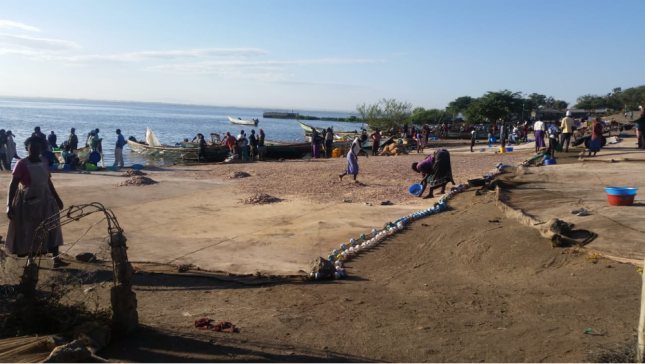 Seeing Loreta sort and dry her Omena sardines at the shores of Lake Victoria in Western Kenya, one may dismiss this small, middle-aged woman as an ordinary fishmonger struggling to earn a living.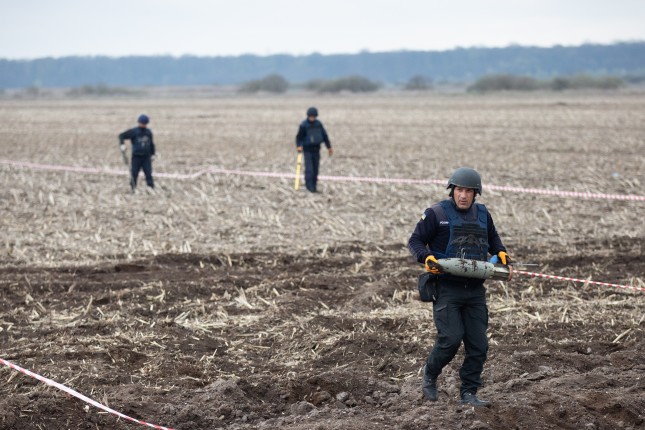
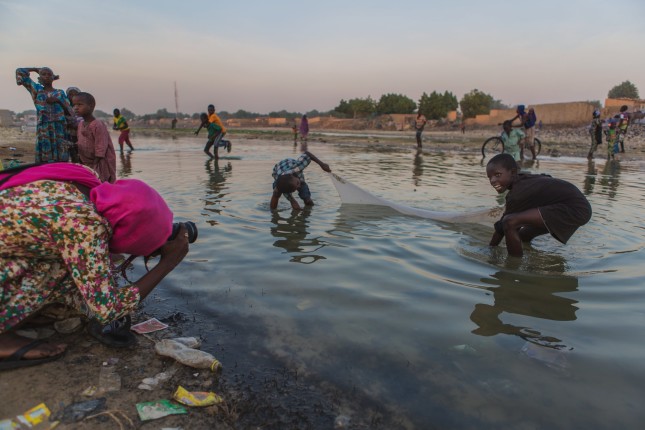

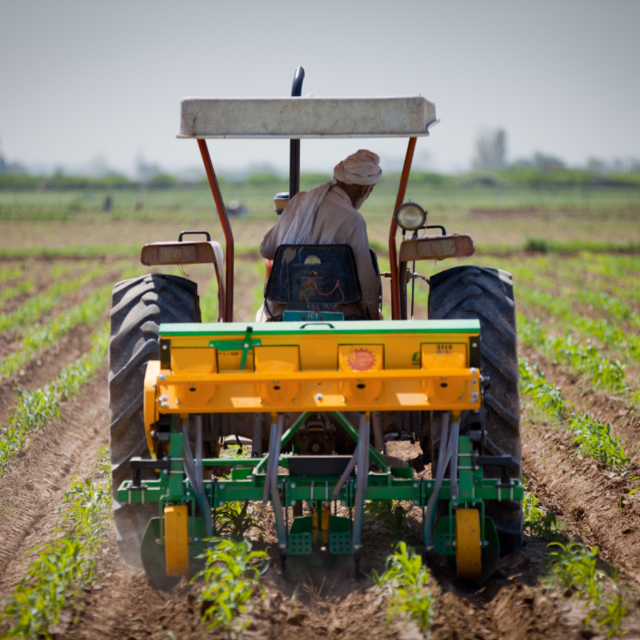 The confluence of climate change, COVID-19, and the war in Ukraine have placed enormous stress on food systems across the globe.
 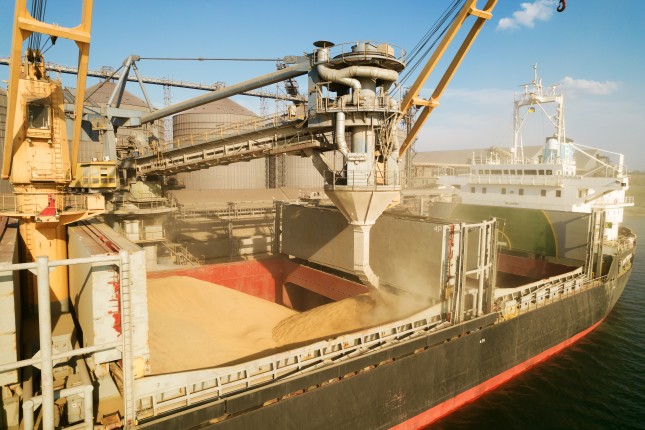 When Russia struck a deal with Ukraine on July 15, there was hope that

