-
Who Should Pay for Soil Contamination in China?
›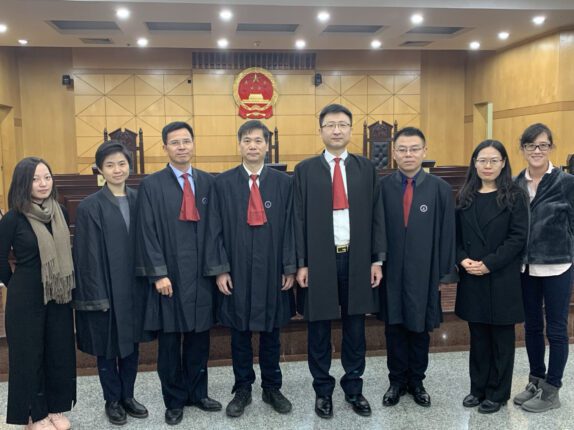
On April 18, 2016, I was on the train with my Friends of Nature (FON) colleagues for a work trip when a shocking piece of news erupted on social media: hundreds of students in Jiangsu Province fell ill after moving into a newly built middle school. Reported symptoms included itchy skin with rashes and lesions, coughing, and a decline in white blood cell count. Students and parents later learned that their beautiful new school was built next to a contaminated site, previously home to three chemical manufacturing facilities, the largest of which had produced pesticides for decades. After these companies closed, a company contracted by the local government to clean up the site failed to properly collect and dispose of toxins in the soil. These toxins leaked into the air and sickened the students.
-
New Security Broadcast | Sarah Ladislaw on US Climate Security and “Mutually Assured Resilience”
› In today’s episode of New Security Broadcast, ECSP Program Director Lauren Risi speaks with Sarah Ladislaw, Special Assistant to the President and Senior Director for Climate and Energy at the National Security Council (NSC). In the conversation, Special Assistant Ladislaw describes her role at the NSC and the most pressing climate security challenges facing the US. She also reflects on her recent address at the Munich Security Conference, and her vision for achieving “mutually assured resilience.”
 -
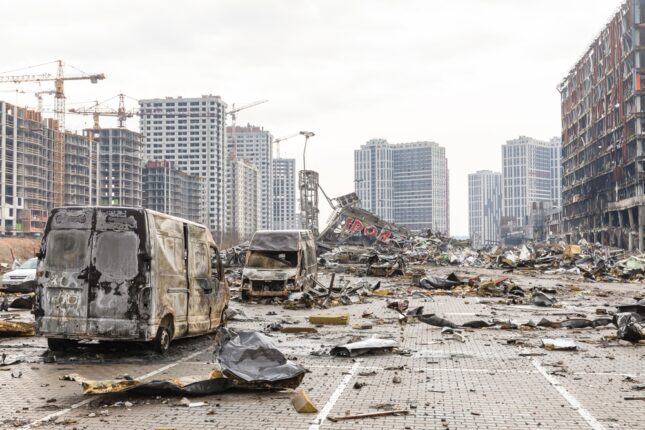
Clearing War Debris Can Help Ukraine Move Forward
›When Russia launched its brutal invasion of Ukraine on February 22, 2024, Western nations supported Ukraine with military and financial aid. But over two years, the cost of the war has been devastating—not only in terms of lives lost, and injuries sustained, but also in the number of buildings destroyed. According to some estimates, more than 150K structures have been damaged in the conflict.
-
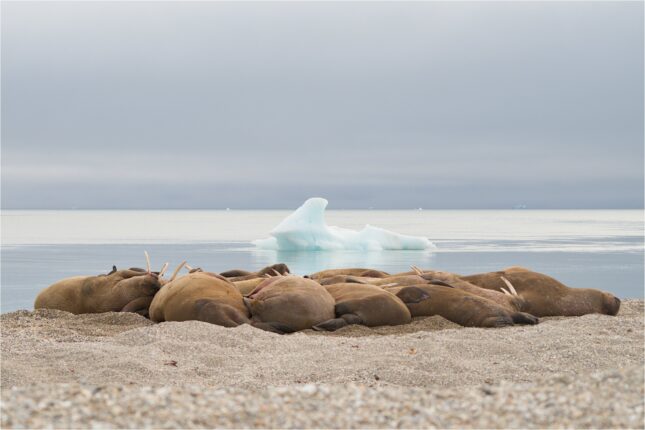
The New Arctic: Amid Record Heat, Ecosystems Morph and Wildlife Struggle
›This article, by Sharon Guynup, originally appeared on Mongabay.
Walruses have traversed the Arctic for millennia, gregarious pinnipeds that rest en masse on drifting pack ice, diving to feed on crabs, clams and other seafloor delicacies. Icy platforms also serve as safe birthing and nursery grounds. But as the far north rapidly warms and sea ice disappears, some herds now huddle on overcrowded shorelines, with deadly consequences for young calves: Because more disturbances occur on shore than at sea, calves are regularly trampled during panicked stampedes by the 1-ton-plus adults.
-
ECSP Weekly Watch: February 26 – March 1
›A window into what we are reading at the Wilson Center’s Environmental Change and Security ProgramAssessing Irrigation’s Impact on Pastoralists (The New Humanitarian)
In many African drylands, especially in Kenya, large-scale irrigation projects are attracting significant attention and funding. The concept of “greening the desert” has the potential to create economic opportunity and boost available resources in drought-threatened territory. However, these large-scale projects have often brought negative impacts for pastoral communities.
-
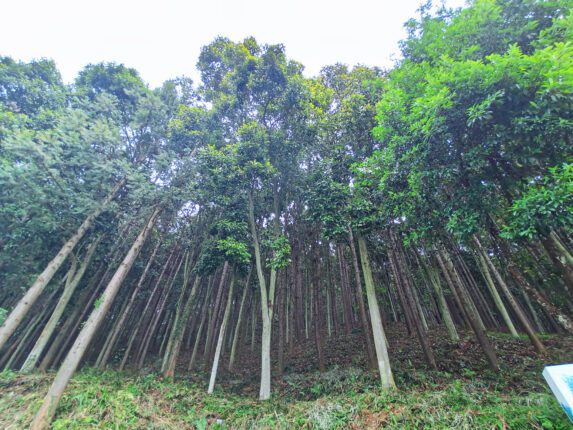
Money Can Grow on Trees: Forestry Rights Reform for Decarbonization in China
›High in the remote mountains of western Fujian Province, Changkou—part of Sanming Prefectural City—became the first village to launch a new forestry carbon ticket system in May 2021. Changkou farmers have long received little benefit in managing forests because of fragmented forest land, high investment risks, and limited ownership rights. To solve those problems, the Sanming Forestry Bureau issued tickets to forestry farmers, granting them the right to receive stocks on their plots of forests by cooperating with farms in a certain period. Meanwhile, the carbon tickets grant farmers the right to earn carbon emission credits for their land and trees.
-
Unpaid Care Work: The Invisible and Sustaining Powerhouse
›
Unpaid care and domestic work—encompassing market activities from cooking and cleaning to child and elder care – plays a critical role in upholding the economy, making all other work possible. The global value of this work is close to $11 trillion annually, according to estimates from the International Labour Organization (ILO).
-
ECSP Weekly Watch: February 19 – 23
›A window into what we are reading at the Wilson Center’s Environmental Change and Security ProgramProgress—and Room for Improvement—in UNEP’s Annual Report (United Nations Environment Programme)
How effective is the United Nations Environment Programme (UNEP)’s work on the fight against climate change? Its Annual Report analyzed the work it has done over the past year to do so. The UNEP supports key areas in which progress has been made, including waste reduction through the Global Framework on Chemicals and global instrument on plastic pollution, biodiversity protection efforts through various frameworks, and loss and damage mobilization through COP28.
Showing posts from category *Main.
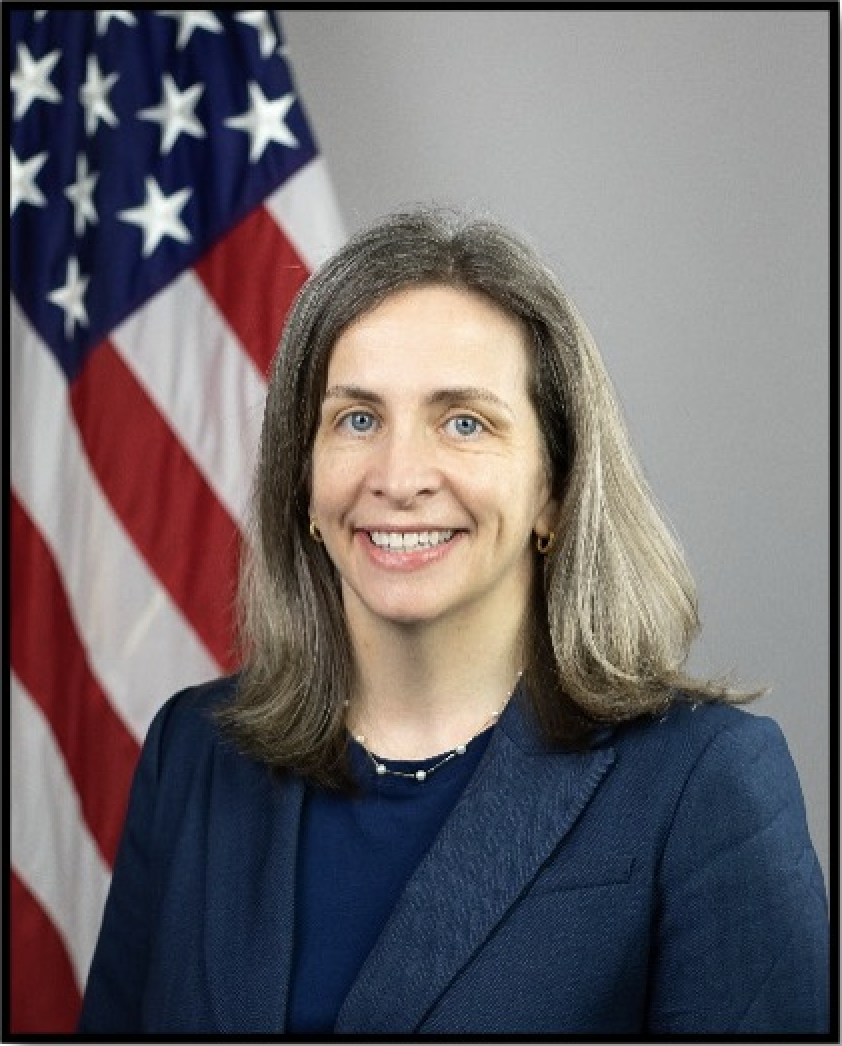 In today’s episode of New Security Broadcast, ECSP Program Director Lauren Risi speaks with Sarah Ladislaw, Special Assistant to the President and Senior Director for Climate and Energy at the National Security Council (NSC). In the conversation, Special Assistant Ladislaw describes her role at the NSC and the most pressing climate security challenges facing the US. She also reflects on her recent address at the Munich Security Conference, and her vision for achieving “mutually assured resilience.”