-
Environmental Security Weekly Watch: May 18-22, 2026
›
A window into what we’re reading at the Stimson Center’s Environmental Security Program
Climate Health Risks Spur Public Support for Action (Climate Change News)
Climate Opinion Research Exchange’s late 2025 survey of over 30,000 respondents across Brazil, India, Japan, and South Africa found that more than 80% of respondents expressed concern about climate impacts. Those surveyed also backed government measures to address the public health risks associated with climate change. While researchers believe that framing these questions as public health issues is particularly effective at building broad support, the survey also revealed that the most resonant health messages vary by country. Water scarcity draw attention in South Africa, while mental health has significant resonance in Brazil. Those in Japan see extreme heat as a key issue.
-
AI’s Environmental Footprint is a Gendered Security Risk
›
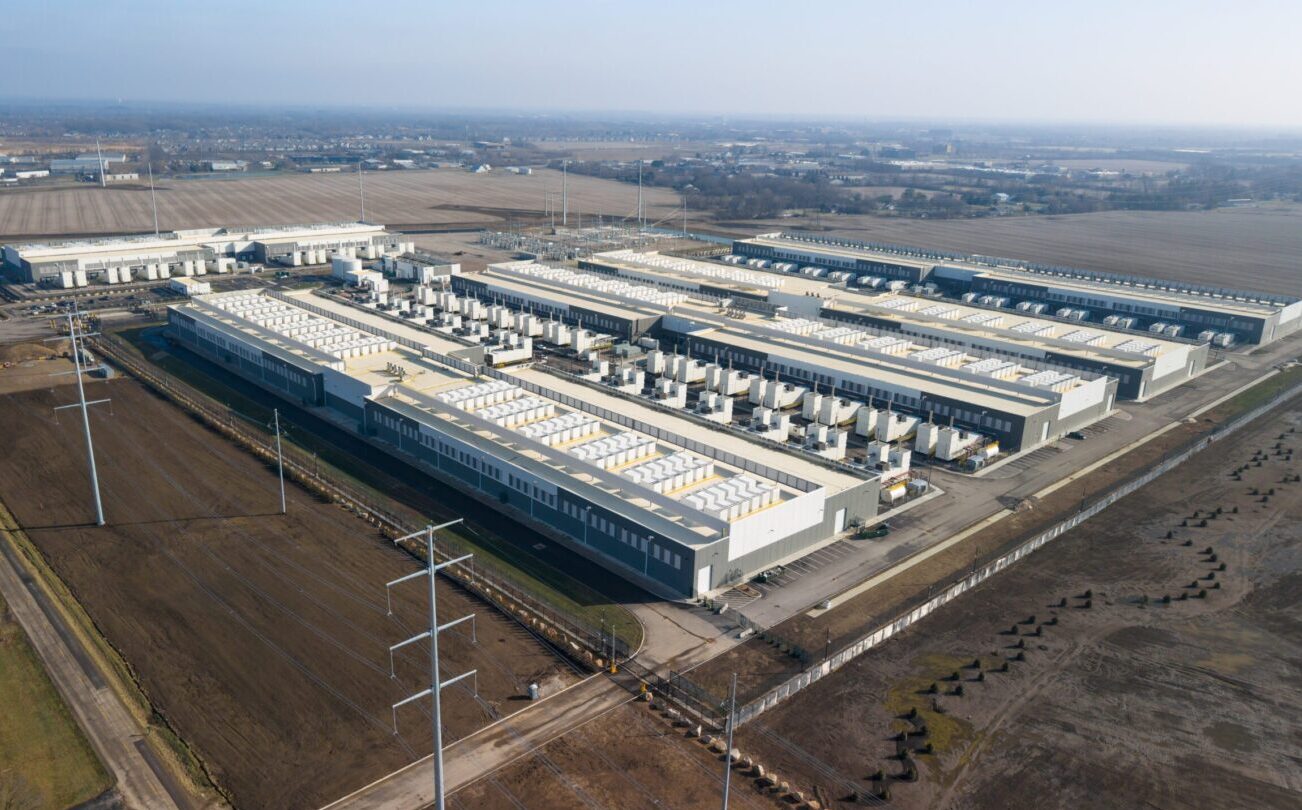
The infrastructure powering artificial intelligence (AI) has become both a political flashpoint and a signal for strategic warfare with significant military, geopolitical, and international security implications. Climate change is a “threat multiplier” that exacerbates fragility. The collision of these two forces is certain to create immediate and long-term impacts. AI’s environmental footprint risks externalizing environmental costs onto poorer countries– and the communities within them–that supply critical minerals, water resources, and host energy-intensive infrastructure, deepening ecological, economic, and social inequalities. Over the long run, it may also undermine long-term climate resilience and global stability
-
Environmental Security Weekly Watch: May 4-8, 2026
›A window into what we’re reading at the Stimson Center’s Environmental Security Program
Mexico City’s Rapid Land Subsidence is Visible from Space (CNN)
The foundation of much of Mexico City sits atop an ancient aquifer supplying over 60% the drinking water for the capital’s 22 million residents. Now a series of startling new images from space have revealed just how over-extraction of the aquifer and the added weight of urban development land in Mexico City to subside.
-
Environmental Security Weekly Watch: April 27-May 1, 2026
›A window into what we’re reading at the Stimson Center’s Environmental Security Program
Disaster Response Aid: Data Argues for New Focus on Inequality (Dialogue Earth)
When a 2019 oil spill and the COVID-19 pandemic struck coastal fishing communities in north-eastern Brazil back-to-back, researchers tracked 402 small-scale fishers across three states to assess the impacts. What they found was that fallout from these crises was were not uniform. The oil spill’s contamination of nearshore mangroves disproportionately harmed the women who make up the bulk of the workforce that harvests shellfish, while men fishing offshore for open-water species retained more of their income.
-
Environmental Security Weekly Watch: April 20-24, 2026
›A window into what we’re reading in the Stimson Center’s Environmental Security Program
The Bolivian Cacao Farmers Taking on the Gold-Mining Industry (The Guardian)
Cacao farmers in Bolivia’s Alto Beni and Palos Blancos municipalities successfully pushed for local mining bans in 2021, protecting their organic agroforestry land from the destructive gold rush sweeping the region. Gold prices are up over 64% since 2020—intensifying illegal and legal mining across Bolivia, driving deforestation, mercury poisoning, flooding, and encroachment into protected national parks. Communities near active mining zones report polluted rivers, declining fish populations, and mercury-related illnesses.
-
Protecting Water in the Mining Rush: A World Water Day Panel
›From Zambia to Indonesia, recent headlines about catastrophic toxic mining spills grimly underscore how the global push to secure one set of resources, critical minerals, might be compromising another: water.
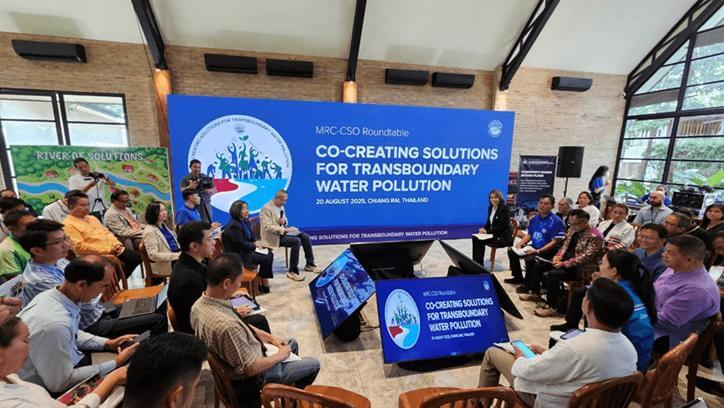
“This isn’t just an environmental story,” said Lauren Risi, Director of the Stimson Center’s Environmental Security Program, at a recent event on protecting water resources amid increasing mining, held ahead of World Water Day 2026. “For many of these communities, the water being put at risk is their source of drinking water. It’s critical to subsistence farming and livelihoods. It sits at the center of daily life. When mining degrades or disrupts access to it, the consequences are immediate and personal,” she said.
-
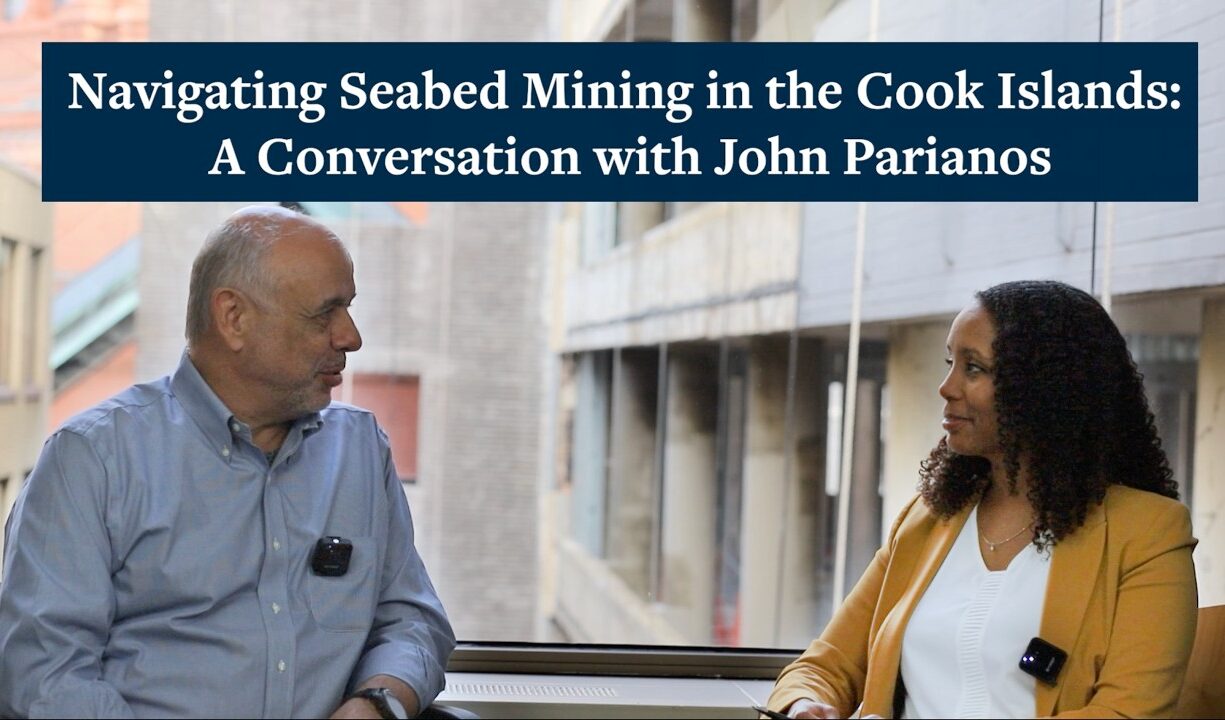
Navigating Seabed Mining in the Cook Islands: A Conversation with John Parianos
› -
Environmental Security Weekly Watch: March 16-20, 2026
›A window into what we’re reading at the Stimson Center’s Environmental Security Program
Pakistan’s Grassroots Solar Mitigates Middle East Energy Crisis Impact (The Guardian)
Russia’s invasion of Ukraine in 2022 also sparked a grassroots solar boom in Pakistan. Surging LNG prices and unreliable grid electricity resulting from the war’s broader effects pushed citizens to invest in rooftop solar as a one-time cost alternative to perpetually high electricity bills. Between December 2021 and December 2025, solar energy’s share of grid-supplied electricity in Pakistan jumped fivefold. Today, solar provides one-fifth of the country’s electricity.
Showing posts from category mining.