-
The Rohingya Refugee Crisis: Photos Show Bangladesh Camps Are Vulnerable to Impending Monsoons
›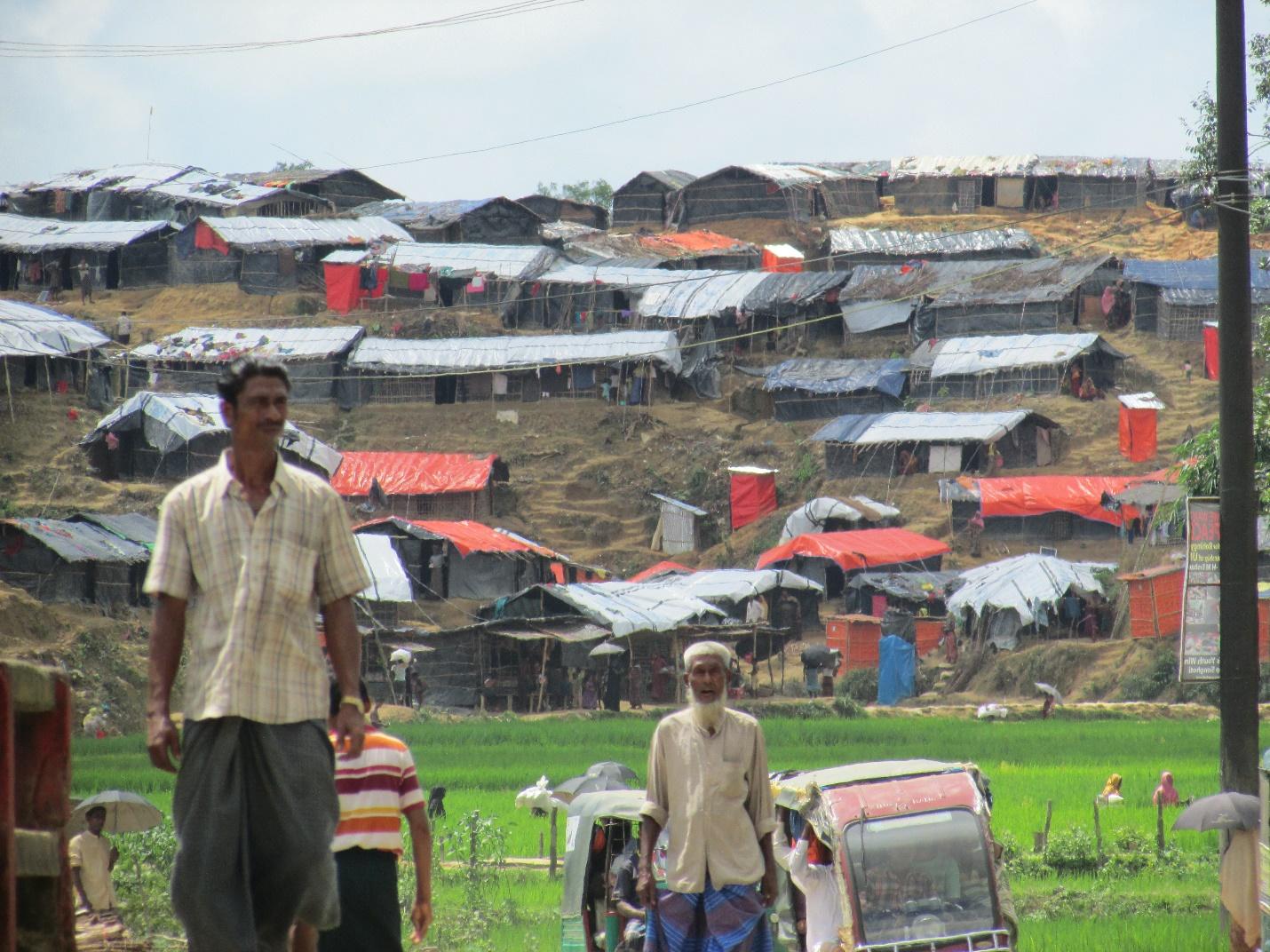
In late 2017, I visited the several Rohingya refugee camps (Leda, Mainner Ghona, & Kutupalong-Balukhali Makeshift Settlements) in Ukhia Upazila (Cox’s Bazar District), Bangladesh. These camps are home to more than a million refugees escaping ethnic violence in Myanmar.
-
Climate Change and Conflict: New Research for Defense, Diplomacy, and Development
›
“Climate is unquestionably linked to armed conflict,” said Halvard Buhaug, a professor at the Peace Research Institute Oslo and the Norwegian University of Science and Technology, at a recent Wilson Center event marking the end of the three-year Climate Anomalies and Violent Environments (CAVE) research project. But, he stresses that under a changing climate, exactly how and through what pathways is still a subject of much debate in the academic community.
-
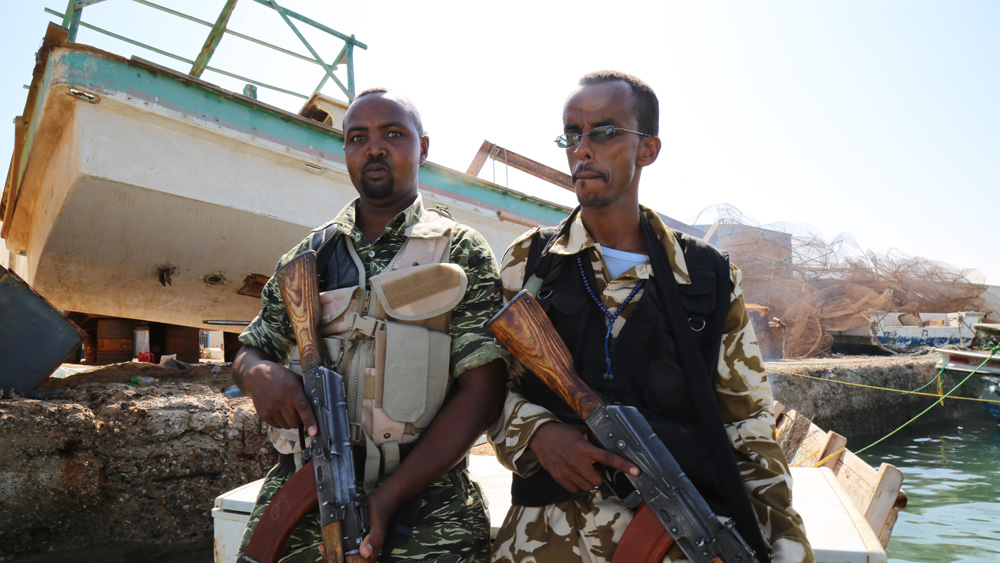
Somali Pirates Return as Illegal, Unregulated, and Unreported Fishing Continues in the Gulf of Aden
›After pirates hijacked an Iranian fishing vessel last year near Bosasso, a major seaport in Puntland, Somalia, local authorities observed that the offending boat was casting nets without a license. While piracy has diminished since 2008-2012, when these waters became some of the most lawless in the world, a spate of incidents in 2017-8 has made it clear that the conditions that led to piracy—including incursions from foreign fishing boats—are still a major problem.
-
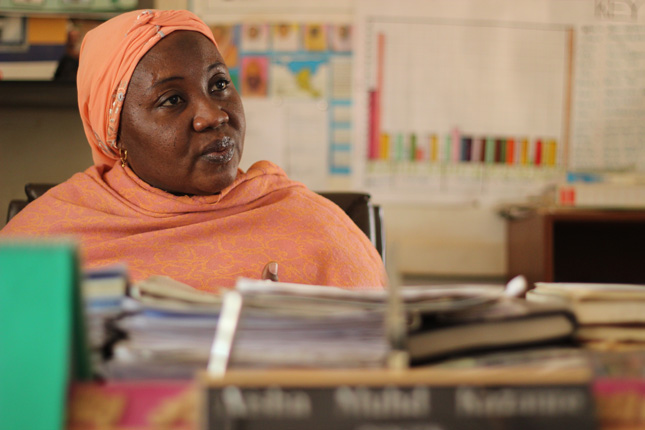
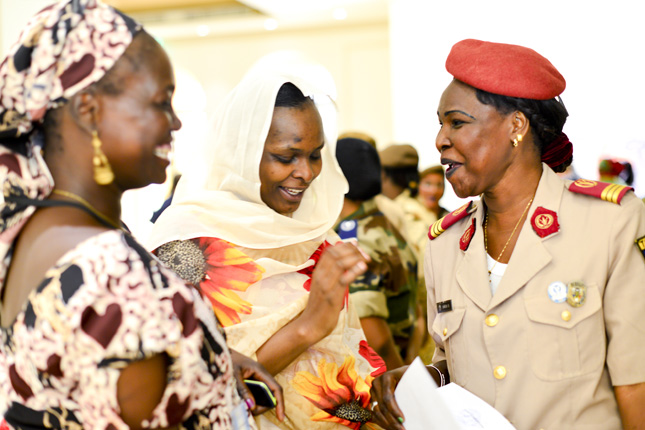
Maternal Health Experts: Strategic Partnerships and Data Key to Strengthening Health Systems
›“We need to think differently about how we invest in our country programs, and what outcomes we are interested in,” said Dr. Koki Agarwal, director of the U.S. Agency for International Development (USAID)’s flagship Maternal and Child Survival Program (MCSP) and a Vice President with Jhpeigo, at a recent Wilson Center event. -
Assessing and Managing Risk along the Mississippi River Corridor
›From the Wilson Center // Urban Sustainability Laboratory // March 14, 2018 // By Wilson Center StaffThe Mississippi River Valley has been hit by droughts, floods, extreme heat, and tornadoes that resulted in damages totaling over $50 billion since 2011. From 2005 to 2017, that total eclipses $200 billion with each effected state incurring a minimum $5 billion in damages. One positive result in reaction to those natural disasters was the formation of the Mississippi River Cities & Towns Initiative (MRCTI), a coalition of mayors focused on resilience and adaptation programs. Last week, mayors of the ten states along the river met with leaders from the global and North American insurance industry to discuss reducing vulnerabilities and building resilience in the face of climate-related disasters.
-
Strengthening Health Systems Improves Healthcare for Women, Children, and Youth
›“We cannot achieve our goals of ending maternal and child deaths without addressing critical health system barriers around the world,” said Grace Chee of the U.S. Agency for International Development (USAID)’s flagship Maternal and Child Survival Program at a recent Wilson Center event. To improve the lives of mothers and children, health workers must address the underlying causes of poor health outcomes, including systemic weaknesses in health care governance, financing, and human resources.
-
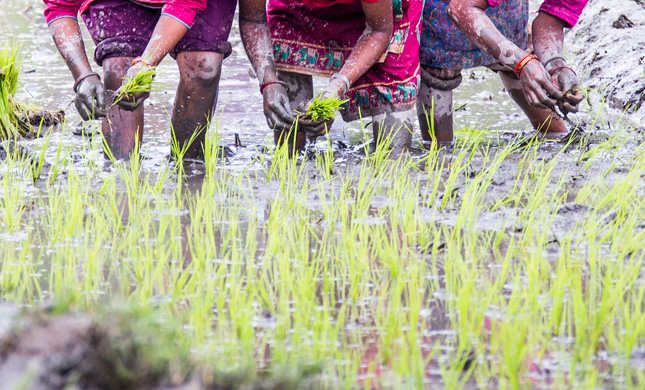
From Communities to Landscapes: Multi-Scale Approaches to Climate Adaptation in Nepal
›“Some people are more vulnerable than others” to climate change, said Judy Oglethorpe, senior director of Multilateral Program Development of the World Wildlife Fund-US (WWF) at a recent event on climate change, biodiversity, and livelihoods. Oglethorpe is the chief of party for the Hariyo Ban (Green Forests) Program, which seeks to increase ecological and community resilience to climate change in two biodiverse landscapes in Nepal. Taking a “multi-scale approach let[s] us focus on the most vulnerable people,” said Oglethorpe, and “work at different scales and across different disciplines…to reduce people’s vulnerability.”
-
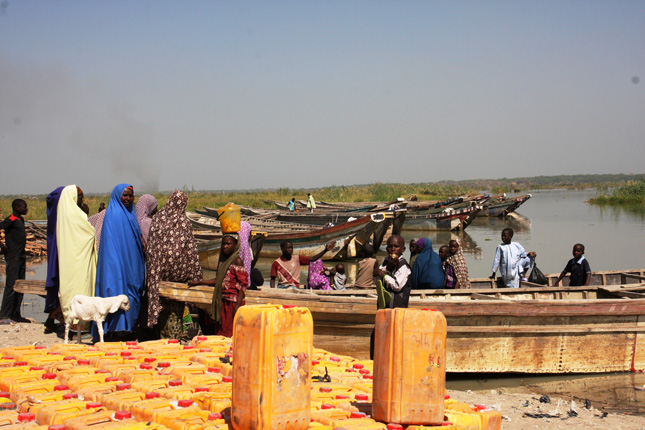
The Role of Water Stress in Instability and Conflict
›“The demand for water will not be linear,” said Vice Admiral Lee Gunn (USN-Ret,), currently vice chairman of the CNA Military Advisory Board, at a recent Wilson Center event on water and security. As people’s quality of life improves, “the demand for water will increase as well. And so the stresses that we already see around the world—the arguments over basin rights for water, the depletion of water in major cities around the world—we think will aggravate problems that already are beginning to manifest themselves,” he said.
Showing posts from category media.
 “We need to think differently about how we invest in our country programs, and what outcomes we are interested in,” said Dr. Koki Agarwal, director of the U.S. Agency for International Development (USAID)’s flagship