-
Violence and Water Scarcity Threaten Historic Quadruple Famine
›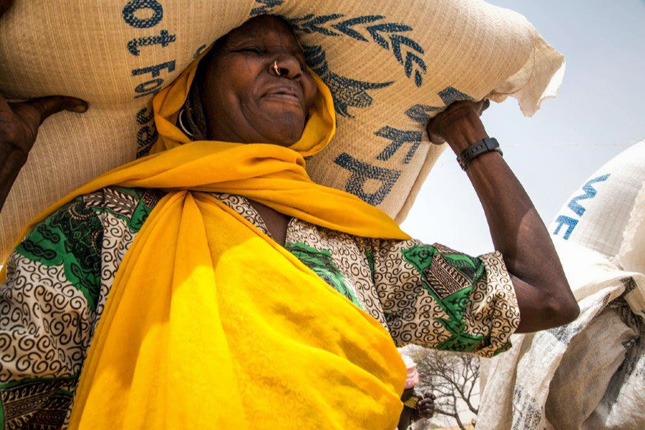
An international food crisis is currently unfolding on a scale not seen since World War II. More than 20 million people in Somalia, Nigeria, South Sudan, and Yemen are in danger of famine. UN Under-Secretary-General and Emergency Relief Coordinator Stephen O’Brien said in March, “We are facing the largest humanitarian crisis since the creation of the United Nations.”
-
What’s in a Label? Lessons on Advancing Global Health Goals From Corporate Green Standards
›
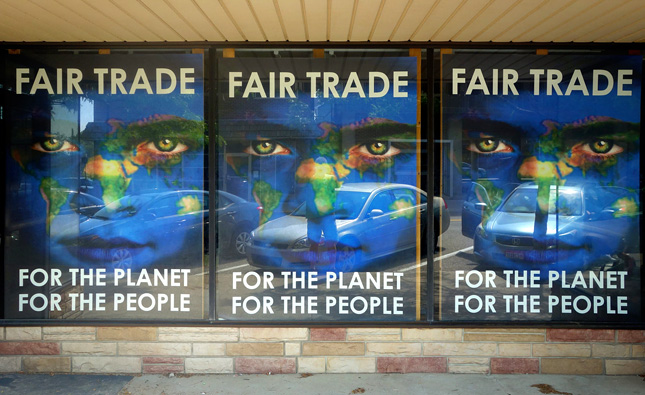
As you walk through the supermarket, you’ve probably noticed labels like “Rainforest Alliance Certified,” “Fair Trade,” or “Green Seal.” These certifications were created to help consumers use their purchasing power to reward companies that treat workers fairly and limit their harm to the environment. What’s missing is health, particularly women’s health. Too often these standards focus narrowly on occupational safety rather than addressing broader, but relevant, health needs of workers.
-
Samara Ferrara on How Midwifery Can Reduce Unnecessary Surgeries and Save Lives in Mexico
›“Midwives have the knowledge, midwives have the skills, and have the heart and compassion to serve mothers and babies in the most perfect way,” explains Samara Ferrara in this week’s podcast. But they often face demoralizing conditions, poor pay, and in some cases disdain from doctors. -
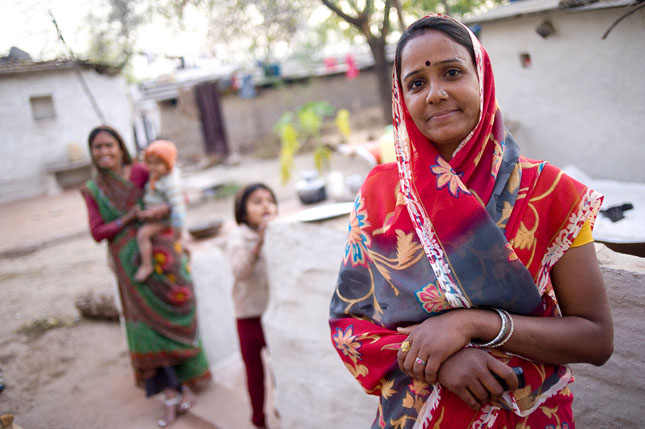
For India, Achieving the Next Generation of Maternal Health Goals Requires New Approaches
›Achieving the next generation of maternal health goals in India, which accounts for almost 15 percent of maternal deaths around the world each year, will require innovative new approaches to stubborn problems.
-
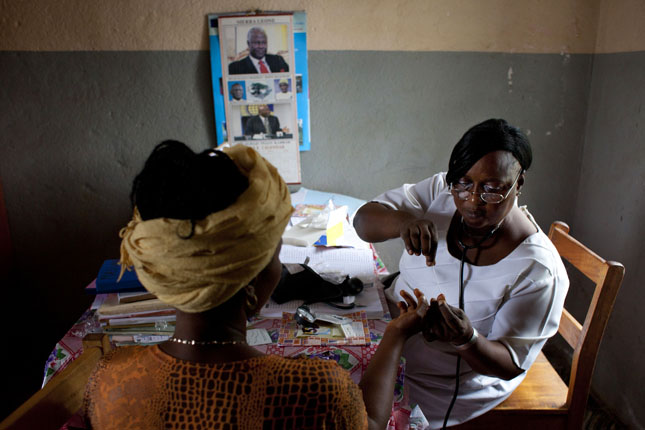
Midwives’ Voices, Midwives’ Realities: Results From the First Global Midwifery Survey
›“Midwives play a vital role in the health care of mothers and babies,” said Samara Ferrara, a midwife from Mexico, at the Wilson Center on February 27. But in many parts of the world they face a confluence of stressors that make working conditions miserable: low and irregular pay; harassment and disrespect from both patients and doctors; and little supplies, training, or say in the policy dialogue about maternal health.
-
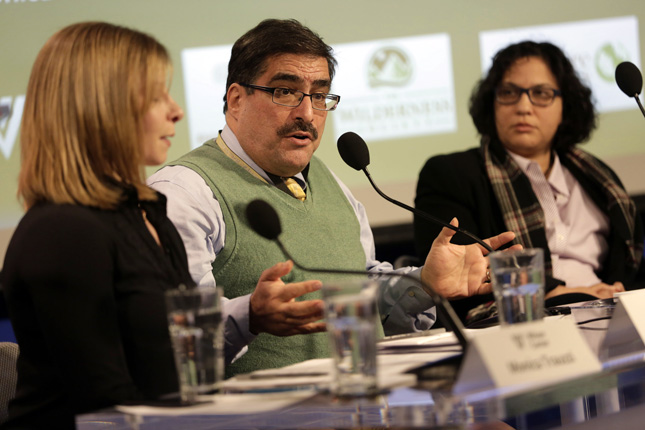
A Journalists’ Guide to Energy and the Environment in 2017
›“Turbulent and possibly revolutionary times are ahead for U.S. energy and environmental policy,” said Bobby Magill, a senior science writer at Climate Central, at the Wilson Center on February 3. “If there’s one message the Trump Administration is sending about environmental and climate regulations, it’s this: The future will not look like the past.”
-
Ocean Fish Stocks on “Verge of Collapse,” Says IRIN Report
›The world’s ocean fish stocks are “on the verge of collapse,” according to a special report from IRIN. Already small fishers in poor countries are reeling, turning to ever-more destructive techniques and suffering from poor health and dwindling livelihoods.
-
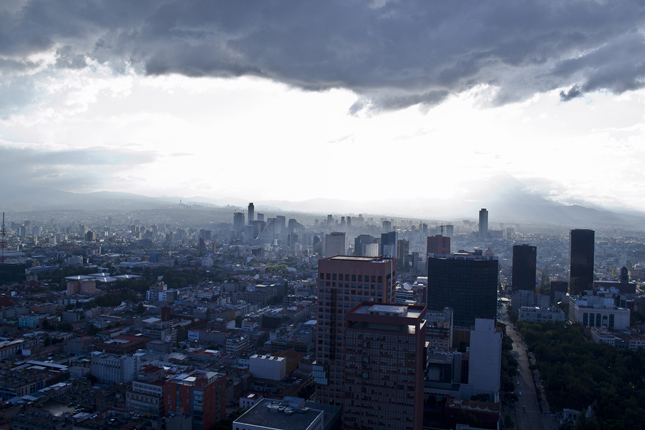
Michael Kimmelman, The New York Times
Mexico City, Parched and Sinking, Faces a Water Crisis
›February 20, 2017 // By Wilson Center StaffMEXICO CITY – On bad days, you can smell the stench from a mile away, drifting over a nowhere sprawl of highways and office parks.
Showing posts from category global health.
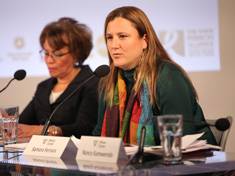 “Midwives have the knowledge, midwives have the skills, and have the heart and compassion to serve mothers and babies in the most perfect way,” explains Samara Ferrara in this week’s podcast. But they often face demoralizing conditions, poor pay, and in some cases disdain from doctors.