-
A Firm Foundation: Contraception, Agency, and Women’s Economic Empowerment
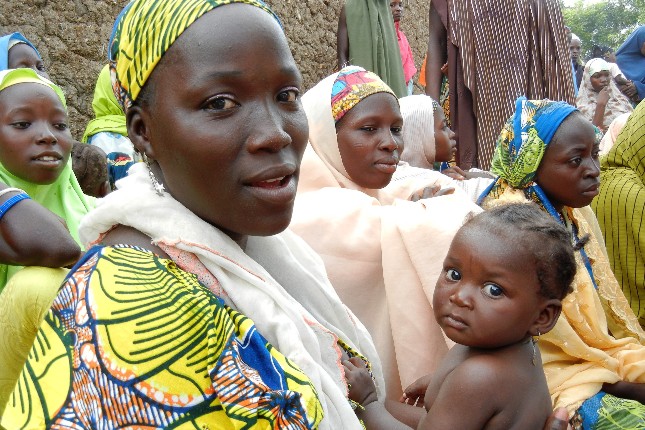
› According to a raft of experts, empowering women to be economic actors would change quite a bit. The UN Secretary General set up a High-Level Panel on it; Melinda Gates keeps talking about it; and the World Bank and Ivanka Trump recently launched an initiative to unlock billions in financing for it. Targets related to women’s economic empowerment cut across multiple Sustainable Development Goals, including advancing equal rights to economic resources, doubling the agricultural productivity and incomes of women who are small-scale farmers, and achieving full and productive employment and decent work for all women.
 -
A More Resilient World: The Role of Population and Family Planning in Sustainable Development
›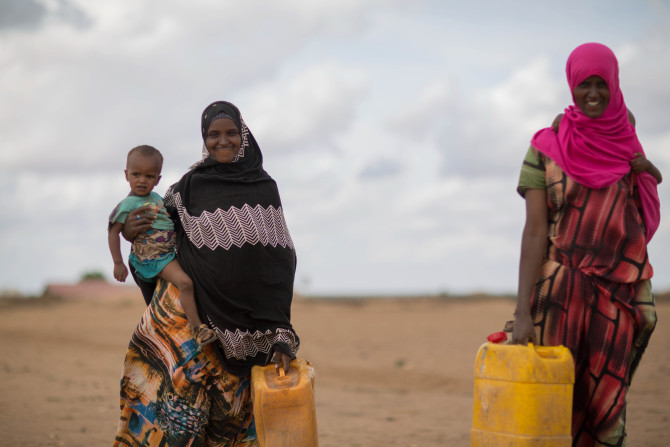
“Community mobilization, local capacity-building, and innovation are the cornerstones of successful development. And that for us includes resilience,” said Franklin Moore, Africare’s Chief of Programs, at a Wilson Center event on family planning and sustainable development. As rapid population growth intersects with challenges like food insecurity and water scarcity, communities in developing countries need not only the capacity to absorb short-term shocks, they also need transformative capacity to address long-term challenges.
-
How Family Planning Can Help Save Cheetahs
›Conservationists and development practitioners may not have always seen eye to eye, but a new partnership between a cheetah conservation charity and a network of reproductive health NGOs is making the case for why these groups need to work more closely together.
-
One Woman’s Story: Preeclampsia Goes Untreated in Ethiopia
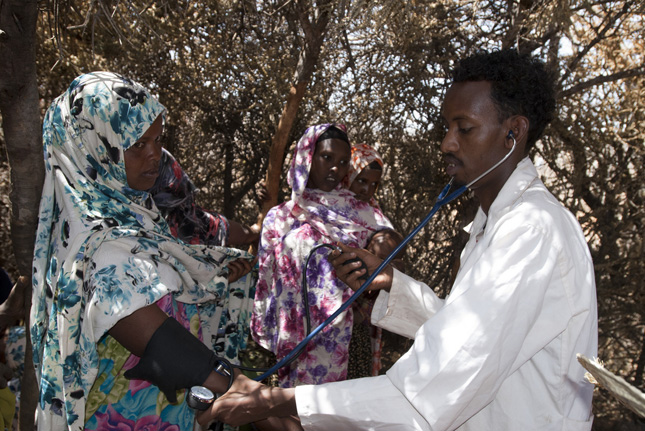
›“This is a woman who did exactly what she was supposed to do; she did exactly what we encourage pregnant women to do,” said Amy Dempsey of the Population Council at a recent Wilson Center event on World Preeclampsia Day. The Ethiopian woman was suffering from preeclampsia—a preventable condition—but like many pregnant women in low- and middle-income countries, she did not receive the treatment needed to stop it. “Pregnancy was the first time she had ever stepped foot in a health facility,” said Dempsey. -
Fragile Families: Scaling Up Healthcare in Conflict Settings
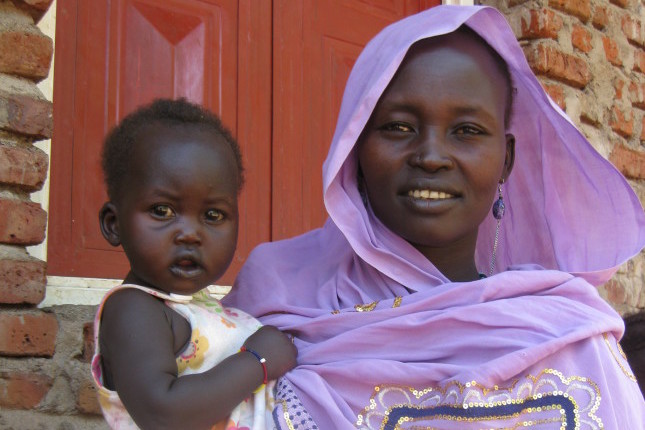
›“How do our interventions provide an opportunity to really work at some of the core drivers of instability or lack of resilience?” said Larry Cooley from Management Systems International at a recent Wilson Center event on scaling up reproductive, maternal, newborn, child, and adolescent health interventions. -
Every 11 Minutes: Hypertensive Disorders in Pregnancy Are Deadly (and Have Long-Term Consequences for Mothers and Children)
›“Hypertensive disorders in pregnancy are responsible for over 76,000 maternal deaths globally, killing a woman every 11 minutes,” said Charlotte Warren, Senior Associate at the Population Council, at a recent Wilson Center event about non-communicable diseases in pregnancy, held on World Preeclampsia Day. These disorders complicate 8 to 10 percent of pregnancies worldwide and are trending upward due to increased maternal weight and sedentary lifestyles. “In low-income countries, a woman has approximately 300 times higher risk of dying of preeclampsia and eclampsia than a woman in a high-income country,” she said.
-
Scaling Up Global Healthcare for Women, Children, and Families
›“We are seeing increasingly self-reliant countries develop national health sector plans solidly grounded on technical evidence,” said Dr. Jim Ricca of the United States Agency for International Development (USAID)’s flagship Maternal and Child Survival Program (MCSP) at a recent Wilson Center event. Expanding successful reproductive, maternal, newborn, child, and adolescent healthcare (known as RMNCAH) interventions to the national level could make a significant contribution to meeting the 2030 Sustainable Development Goals for mortality reduction, he said.
-
Faith in Family Planning: Healthy Timing and Spacing of Pregnancies
›“When you enable a family to be able to time and space their children, you actually improve the overall health of that family,” said Dr. Alma Golden, the Deputy Assistant Administrator of USAID’s Bureau for Global Health, at a recent Wilson Center event on the role of faith-based organizations in family planning. Faith-based groups are an “irreplaceable asset,” said Dr. Golden, when it comes to fighting stigma and marginalization and promoting positive health behaviors.
Showing posts from category global health.
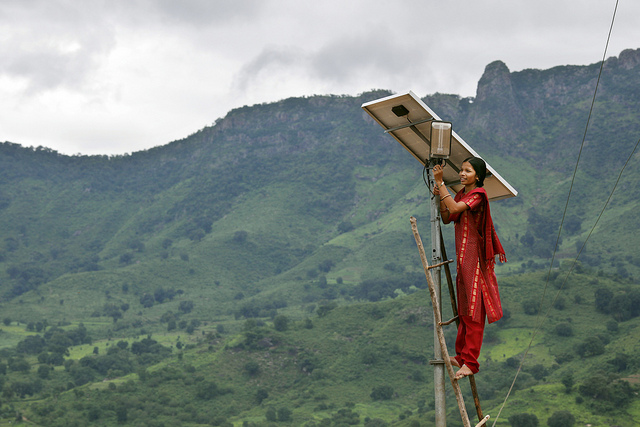 According to a raft of experts, empowering women to be economic actors would change quite a bit. The UN Secretary General set up a
 “This is a woman who did exactly what she was supposed to do; she did exactly what we encourage pregnant women to do,” said Amy Dempsey of the Population Council at a
  “How do our interventions provide an opportunity to really work at some of the core drivers of instability or lack of resilience?” said Larry Cooley from Management Systems International at a