-
To Achieve Universal Health Care, Invest in Nurses and Midwives
›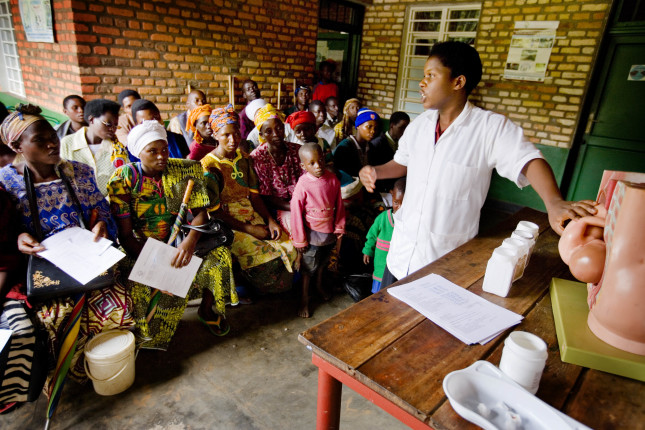
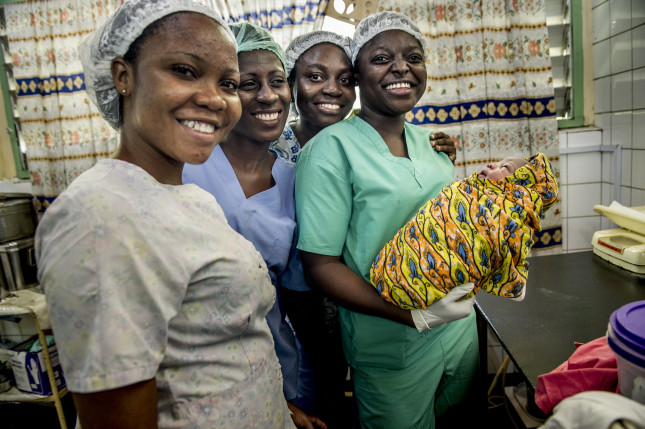
Universal health coverage, a sustainable development goal championed by Dr. Tedros Adhanom Ghebreyesus, Director-General of the World Health Organization (WHO), won a key vote of confidence during this year’s United Nations General Assembly in New York City. The member states endorsed primary health care as a means to reach more than 4 billion people who lack essential care—a critical gap to the achievement of universal health coverage by 2030.
-
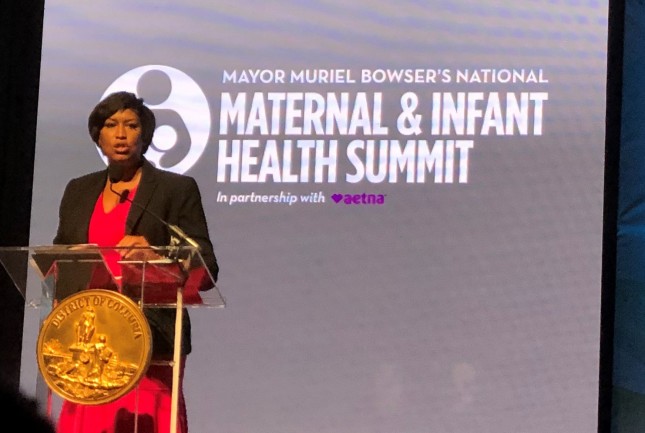
Mayor Muriel Bowser’s Maternal and Infant Health Summit: Addressing Disparities in Maternal Health in Washington, D.C.
›
The maternal and child health crisis in Washington, D.C. is “a public health crisis that has been hiding in plain sight for 30 years”, said D.C. Mayor Muriel Bowser at the second annual Maternal and Infant Health Summit on September 10 at the Walter E. Washington Convention Center. Panelists at this year’s summit discussed issues such as racial disparities in healthcare, proper nutrition and breastfeeding for new and expectant mothers, and support for midwives and doulas in D.C. “The health of a nation is dependent on the health of its women,” said actress and activist, Alyssa Milano.
-
The Maternal Health Initiative Launches the CODE BLUE Series on Non-communicable Diseases and Maternal Health
›Each year, non-communicable diseases (NCDs) account for 2 in every 3 deaths among women globally. It is estimated that NCDs kill 35 million people each year, and women of reproductive age make up about half of these deaths. The compounding effects NCDs have on pregnancy complicate women’s experiences in many unseen ways. The rise and gravity of NCDs pose a growing and often overlooked challenge to maternal health worldwide.
-
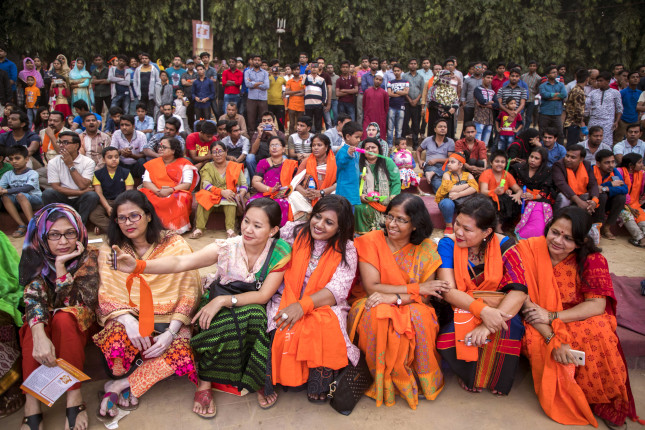
Daulatdia: A Look Into One of the World’s Largest Brothels
›In July 2019, more than 100 child sex trafficking victims were rescued across the United States. In 2018, Colombian authorities saved more than 80 Venezuelan women and girls from sex trafficking, and later that year, 40 trafficked Ugandan women were saved in Thailand. These individuals were among the 5 million victims of sex trafficking worldwide.
-
To Accelerate Economic Growth, Uganda Should Prioritize Young People’s Health Care
›Even though it has always been said that young people are the future of society, it is important to note that we are very much present. We are ready to thrive and become productive adults. Unfortunately, many adolescents and young people are robbed of their potential. We still face a high risk of unplanned pregnancy, sexually transmitted infections, teenage pregnancy, early child bearing, unsafe abortions, and dropping out of school.
-
How Soap Operas Can Help Communities Adapt to Climate Change
›When thinking seriously about a world increasingly afflicted by climate change, radio and television soap operas are not the first things that leap to mind. But for countries likely to suffer the most from climate change, popular serial dramas can play a critical role in helping vulnerable populations adapt to the looming challenges.
-
Empowered Midwives Could Save More Lives
›“Midwifery is what women want and what the world needs,” said Anneka Knutsson, Chief, Sexual and Reproductive Health Branch, United Nations Population Fund (UNFPA) at the Fourth Global Midwifery Symposium held at Women Deliver on June 2, 2019. More than 200 people, mostly midwives and global midwifery experts, attended the symposium titled, “Empowered Midwives, Transformed Communities.” Organized by UNFPA, the International Confederation of Midwives (ICM), and World Health Organization (WHO), in collaboration with Jhpiego, UNICEF, Laerdal, and the Canadian Association of Midwives, the all-day symposium highlighted how the midwife-led continuity of care model and women-centered care can improve outcomes for women, their newborn, and their families. The discussion also focused on the importance of enabling environments and productive collaborations between midwives and other health professionals.
-
How Are We Failing American Women? Alarming Trends of U.S. Maternal Mortality
›Every day 830 women around the globe die from pregnancy or childbirth-related causes. Almost all of these deaths occur in the developing world, but over the past sixty years this global problem has made waves at home. While worldwide maternal mortality rates are decreasing, the rates are rising in three countries: Afghanistan, Sudan, and the United States. Between 2000 and 2014, the number of women who died in the United States from pregnancy-related causes while pregnant or within 42 days postpartum increased by almost 27 percent, from 18.8 per 100,000 deaths in 2000 to 23.8 in 2014.
Showing posts from category global health.