

-
Listen to Midwives to Achieve Universal Health Coverage by 2030
› What is inherent in the word “universal,” is that it is for all women, said Anneka Knutsson, Chief of the Sexual and Reproductive Health Branch at the United Nations Population Fund (UNFPA), at a recent Wilson Center event on the importance of midwives in achieving universal health coverage.
 -
Midwives Needed to Achieve Universal Health Coverage by 2030
›We are in the decade of action, said Anneka Knutsson, Chief of the Sexual and Reproductive Health Branch at the United Nations Population Fund (UNFPA), at a recent Wilson Center event on midwives’ crucial role in achieving universal health coverage by 2030. The World Health Organization (WHO) has designated 2020 as the Year of the Nurse and the Midwife to celebrate the accomplishments and importance of nurses and midwives in providing not just maternal health care, but care across the lifespan. Currently, 22 million nurses and 2 million midwives globally deliver 80 percent of all healthcare services in low-resource settings. However, the world will need 9 million more nurses and midwives by 2030 to meet rising healthcare demands. -
Sexuality Education Begins to Take Root in Africa
›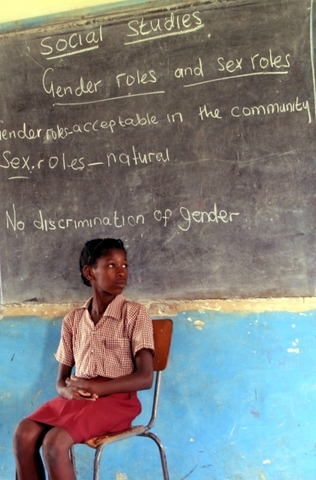
In Kenya, primary and secondary school students take courses called Life Skills Education. So do students in Malawi, Mozambique, Namibia, and Swaziland. South Sudan adds “peace-building” to the subject title. Lesotho, Madagascar, Rwanda, Tanzania, Uganda, and Zambia are more direct. These countries add the word “sexuality” to the course name.
-
Healthcare Facilities in Developing Countries a High Risk for Coronavirus Transmission
›The front lines in the battle to limit damage from the new coronavirus are expanding.
Covid-19, the disease caused by the virus, emerged in China and then blossomed in comparatively wealthy countries like Italy, South Korea, and the United States.
Now, the virus is spreading in poorer regions — in sub-Saharan Africa, South Asia, and parts of Latin America — where essential defensive measures against infectious disease are often missing.
-
Destruction of Habitat and Loss of Biodiversity are Creating the Perfect Conditions for Diseases like COVID-19 to Emerge
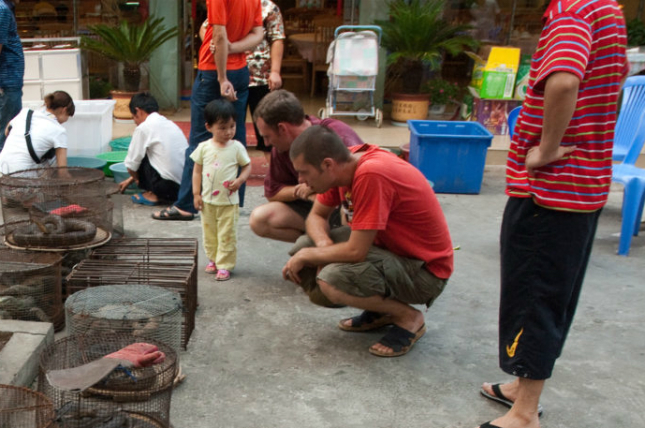
›Mayibout 2 is not a healthy place. The 150 or so people who live in the village, which sits on the south bank of the Ivindo River, deep in the great Minkebe forest in northern Gabon, are used to occasional bouts of diseases such as malaria, dengue, yellow fever and sleeping sickness. Mostly they shrug them off.
-
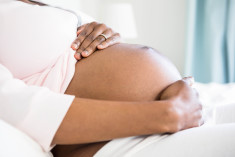
Cardiovascular Disease Can be a Silent Killer During and After Pregnancy
›Stacy Ann Walker could have died.
During what she thought was going to be a normal exam, Stacy learned that she would need to have a C-section. While recovering in the hospital, she began to have breathing problems and after some testing was told that her heart had been scarred by an earlier bout of rheumatic fever. Shortly after, she also learned that she had heart failure, an enlarged heart, and problems with multiple heart valves.
She was 29.
-
Multiple Stressors Shape Mothers’ Mental Health in Nairobi, Kenya
›The mental health of mothers cannot be studied in isolation, as just a psychological snapshot in time. Their complex lives both past and present must be taken into consideration. When I was researching marriage, motherhood, and social support in Korogocho, an informal settlement in Nairobi, stories I heard underscored how a range of life experiences conspire to affect a woman’s mental health. I heard life histories like this:When Ann was 17, she met Fredrick, got pregnant and moved in with him when she was 18. Two years later, Fredrick got arrested and was gone for two years. When he came back, she got pregnant with child No. 2 within a month but then left the relationship seven months later because of ongoing conflict. When she was about 23 with a 2-month-old and 5-year-old, Frederick shot her. Two months later, he himself was killed. Four months later, she met the man who would become her second husband. After living together for three years, he took her back to his home to meet his family. She then had her third baby.
-
To End Fistula by 2030, First Strengthen the Healthcare Workforce
›When childbirth takes place without skilled birth attendants or adequate emergency obstetric care, a woman may suffer from obstetric fistula. Women with fistula live with uncontrollable urinary and/or fecal incontinence, because a hole has formed between the birth canal and bladder or rectum. They have usually survived prolonged/obstructed labor, often lost their child to stillbirth, and frequently face severe social isolation and stigma. There are also now more and more women suffering from iatrogenic fistula caused by injuries during pelvic surgery, especially obstetric or gynecological surgery. Between 1 million and 2 million women currently need fistula repair, with thousands of new cases each year. However, most fistulas can be treated, enabling women to resume healthy, productive lives in their communities. Recognizing this, the United Nations has issued a call to end fistula by 2030.
Showing posts from category global health.
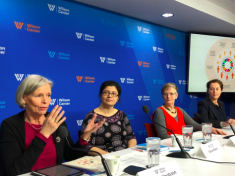 What is inherent in the word “universal,” is that it is for all women, said Anneka Knutsson, Chief of the Sexual and Reproductive Health Branch at the
 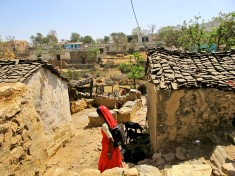 We are in the decade of action, said Anneka Knutsson, Chief of the Sexual and Reproductive Health Branch at the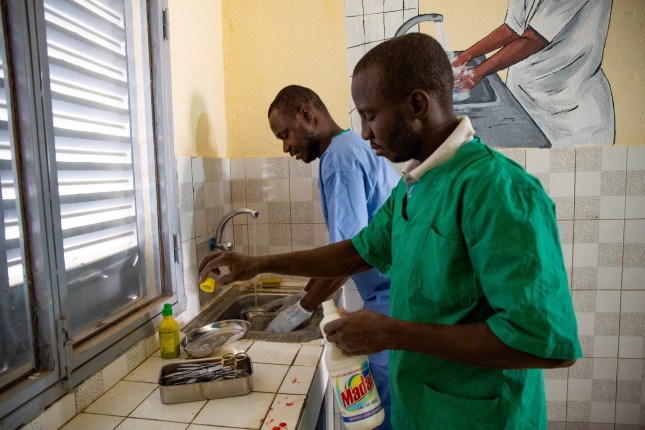
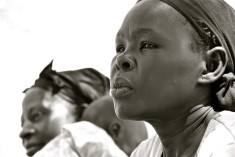 The mental health of mothers cannot be studied in isolation, as just a psychological snapshot in time. Their complex lives both past and present must be taken into consideration. When I was researching marriage, motherhood, and social support in Korogocho, an informal settlement in Nairobi, stories I heard underscored how a range of life experiences conspire to affect a woman’s mental health. I heard life histories like this:
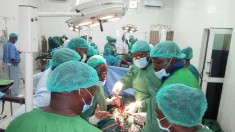 When childbirth takes place without skilled birth attendants or adequate emergency obstetric care, a woman may suffer from obstetric fistula. Women with fistula live with uncontrollable urinary and/or fecal incontinence, because a hole has formed between the birth canal and bladder or rectum. They have usually survived prolonged/obstructed labor, often lost their child to stillbirth, and frequently face severe social isolation and stigma. There are also now more and more women suffering from iatrogenic fistula caused by injuries during pelvic surgery, especially obstetric or gynecological surgery. Between 1 million and 2 million women currently need fistula repair, with thousands of new cases each year. However, most fistulas can be treated, enabling women to resume

