-
Universal WASH Gains Traction Even as Hand Pumps Lose Ground: Troubled Water Supply Systems in Africa Spur Demand for New Technology
›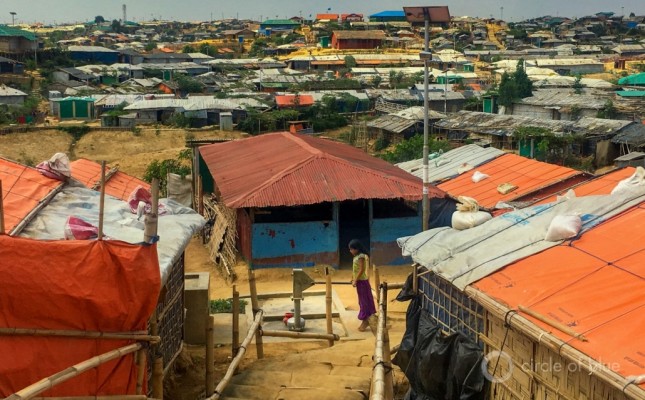
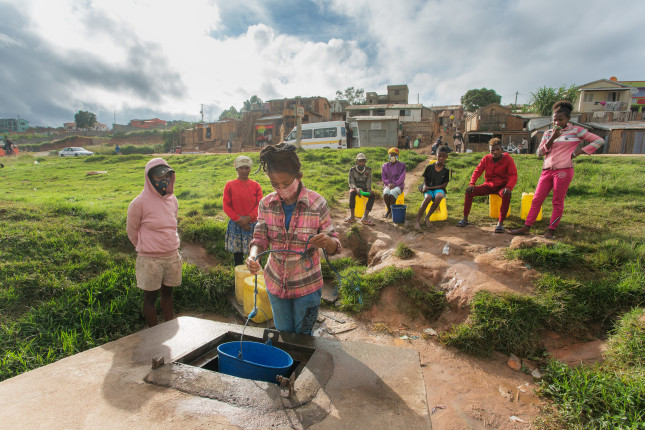
With their blocky stamped metal heads and long arms, the India Mark II and Afridev hand water pumps are hardly aesthetically appealing. What matters is their design. That is, how well do they work?
Introduced in the 1980s, manufactured by the millions, and installed in communities across Africa and Asia, the two hand pumps are the most popular tools for lifting water to the surface from rural underground reserves. In that capacity, the two pumps occupy prominent space in the WASH sector’s long-running and formative debate over whether the global campaign is succeeding or slipping in the effort to attain universal access to clean water, sanitation, and hygiene.
-
How We Birth Babies Makes It Hard to Breastfeed
›
Breastfeeding may seem natural. Yet many women find it hard to get off to a good start with breastfeeding. Sharp decreases in breastfeeding rates around the world reflect this continuing challenge. While most women still choose to breastfeed, many ultimately feel they have no other choice than to stop breastfeeding earlier than anticipated. In the UK, 80 percent of mothers surveyed said they stopped breastfeeding before they wanted to. Many women describe shattered expectations, feelings of deep sadness, guilt, and anger from their breastfeeding experience.
-
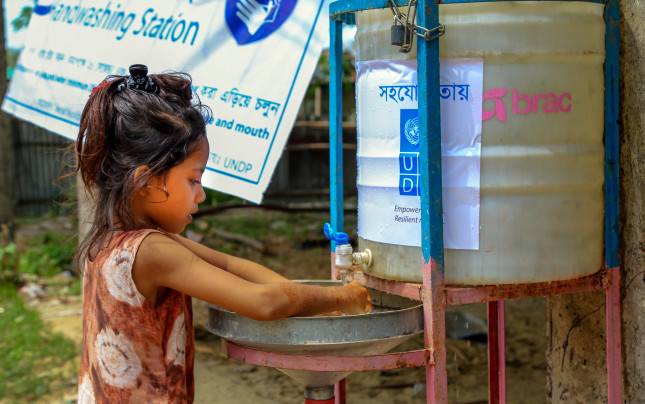
Innovation in Financing Brightens WASH Galaxy: Funding for Water, Sanitation and Hygiene Starts to Arrive Faster, With Clearer Requirements
›People devoted to financing water, sanitation and hygiene in developing nations worried for much of 2020. Utility customers stopped paying their water bills. Funders altered their priorities. Heads of state turned their attention to other virus-related emergencies.
But did COVID-19 affect funding enough to slow progress toward universal access to clean water, safe sanitation, and hygiene? And if it did, by how much?
-
Pandemic Brings WASH to Rare Inflection Point: Despite Fears of Collapse, Water, Sanitation, and Hygiene Draw Closer to Epic Goal
›Until 2016, the agrarian residents of east Kenya’s Kitui county had never encountered a water quality monitor like Mary Musenya. Wearing a bright blue company jersey and furnished with sample bottles and plastic trays, the young Kenyan is a water safety officer for FundiFix, a tiny rural water supply service company. She is one of 20 staff who manage 130 pumps, plus pipes and water tanks that serve 82,000 people across a 1,000 square-mile service area in Kitui and Kwale counties.
-
Creating a New Normal with a New Global Public Health System
›“Ask a big enough question, and you need more than one discipline to answer it,” said modern dance legend Liz Lerman.
As the COVID-19 pandemic spread across the globe, the World Health Organization (WHO) warned that there would be no going back to normal. They knew a failure to make timely and accurate public health decisions for a pandemic would prove to be the “difference between life and death.” How correct they were.
-
COVID-19 Causes Dire Disruptions in Maternal, Child, and Reproductive Health Services
›“The pandemic has undoubtedly resulted in more deaths and more illness – particularly for the most vulnerable women and children,” write the authors of a new United Nations International Children’s Emergency Fund (UNICEF) report examining the direct and indirect effects of the COVID-19 pandemic in South Asia. The report found that the disruptions in several essential health services due to the COVID-19 pandemic had a “substantial impact” on maternal and child mortality in the region.
-
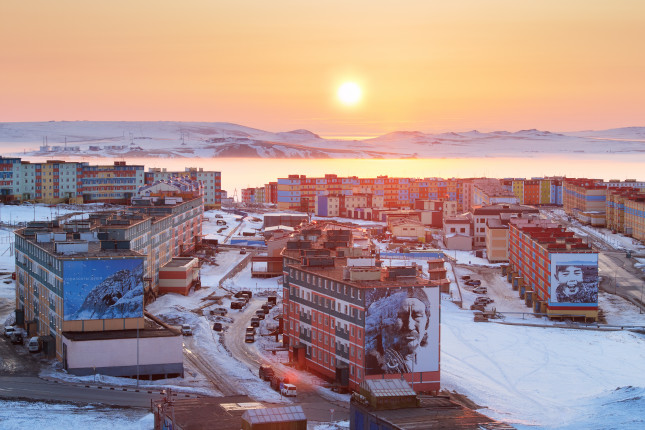
Arctic Security Redefined: Human Security Through an Arctic Urban Lens
›“We are so few, we have no one to lose,” said Christina Henriksen, the president of Saami Council, during an interview on Coronavirus in the Arctic. The COVID-19 pandemic highlights the vulnerability of Arctic residents and the longstanding challenges related to the lack of sanitization, social infrastructure, and health service capacities. The impacts of the pandemic are coupled with the potential negative effects of climate change, including a 3-5 °C temperature increase projected over the Arctic Ocean by 2050.
-
Ensuring Essential Health Care for Mothers and Newborns During the Pandemic
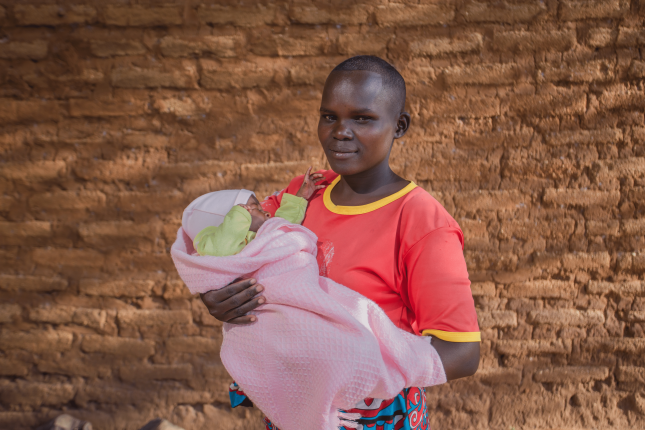
›Africa in Transition // Covid-19 // Dot-Mom // Guest Contributor // March 24, 2021 // By Koki AgarwalJoyce Makasi, a young woman in Kambiti village, Kitui County, Kenya, went into labor with her second child one afternoon in December 2020. She had just enough money to hire a motorbike to take her to nearby Waita health center. At the facility, the clinical officer and nurse told her she would need a cesarean delivery. It wouldn’t be her first cesarean, but COVID-19 presented new obstacles.
Showing posts from category global health.