-
Happy World Gorilla Day! A Conversation with Dr. Gladys Kalema-Zikusoka on COVID-19’s Impact on Gorilla Conservation and Public Health in Uganda
› “When we started out, people thought it was weird. ‘Why are you integrating people and animals and why are you integrating human health and animal health?’” says Kalema-Zikusoka, founder of Conservation Through Public Health (CTPH), in this week’s New Security Broadcast. Indeed, health infrastructure and conservation have long been organized around distinct silos. “Donors were focusing on single sector funding, and government departments were aligned along single sectors,” says Kalema-Zikusoka.
 -
The Apps Helping Indonesia’s Waste Collectors
›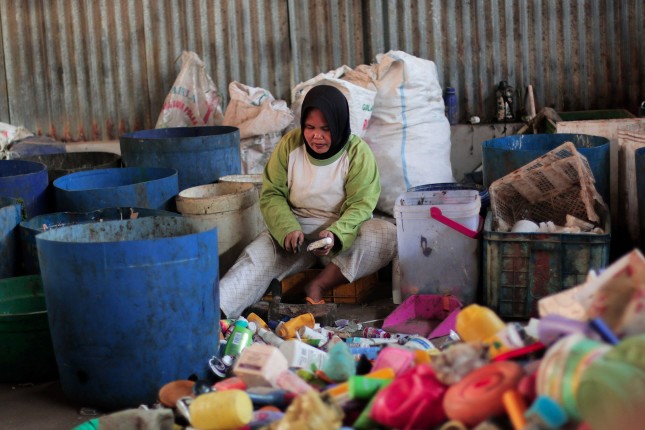
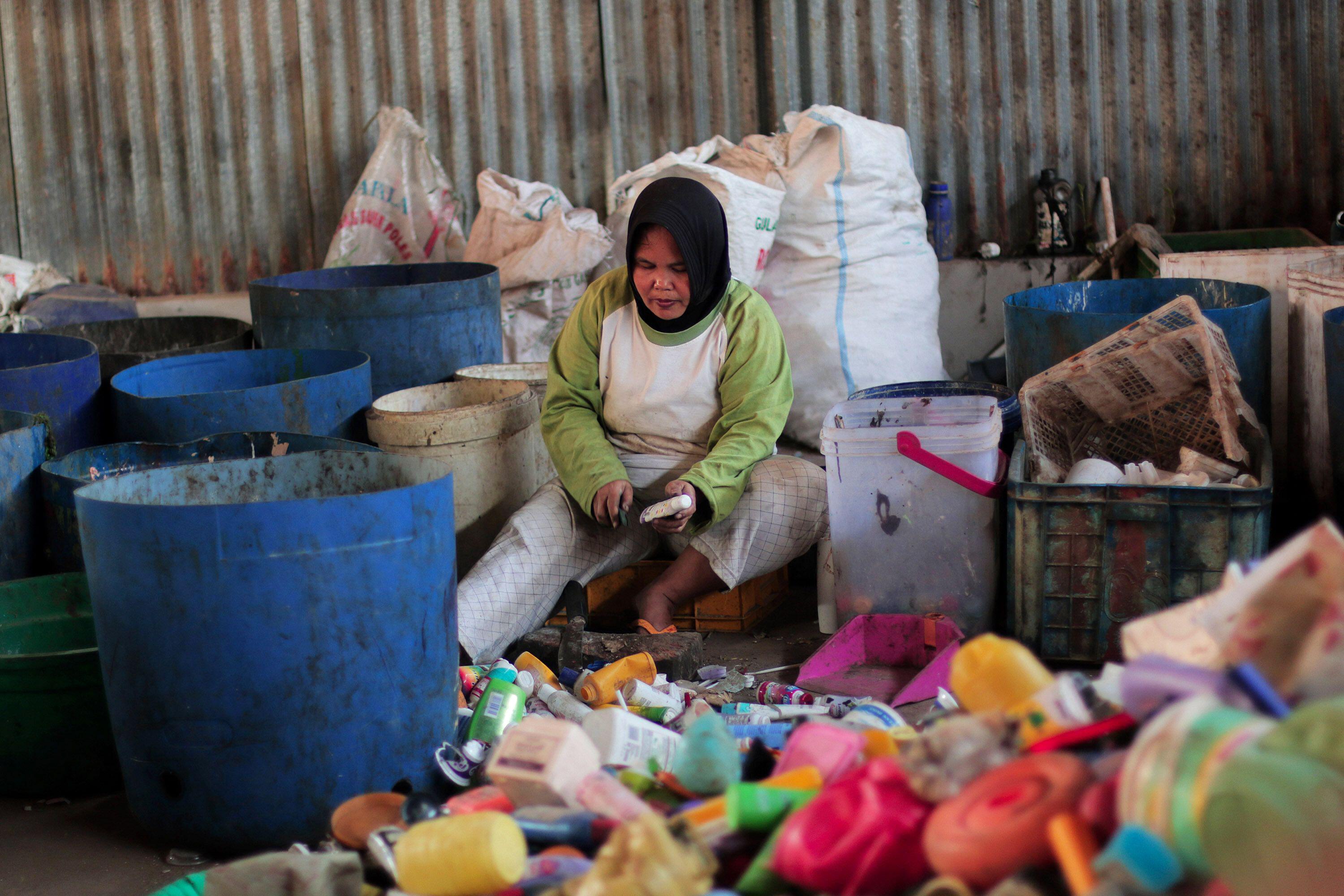
Indonesia generates nearly 7 million tons of plastic waste each year but only 10 percent of that is recycled. The proportion is even lower in rural areas due to a lack of collection facilities. Waste is often burned or dumped on vacant land, and into rivers, lakes, and seas.
-
Respectful Maternity Care and Maternal Mental Health are Inextricably Linked
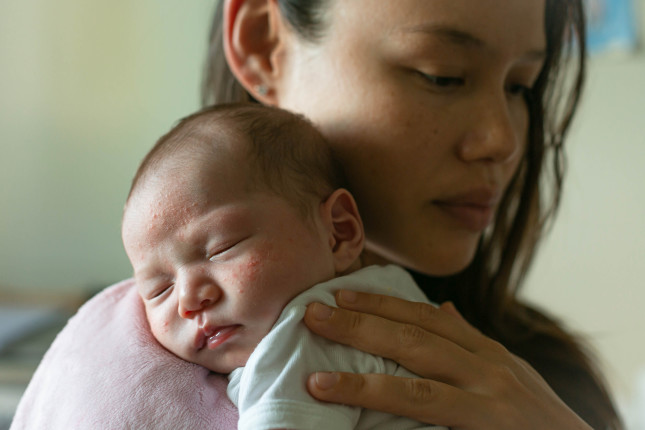
›A positive birth experience is not a luxury, but a necessity, said Hedieh Mehrtash, consultant for the Department of Sexual and Reproductive Health and Research at the World Health Organization (WHO), at a panel during the Maternal Mental Health Technical Consultation hosted by the United States Agency for International Development’s (USAID) MOMENTUM Country and Global Leadership, in collaboration with WHO and the United Nations Population Fund.
-
COVID-19 and the Fight Against Climate Change: What Have We Learned?
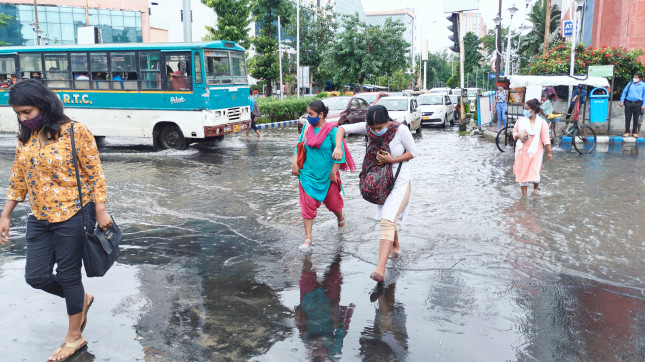
›As the world continues to battle the COVID crisis, we must not lose sight of the greatest long-term threat faced by mankind: climate change.
COVID-19 and its even more contagious variants have wrought misery upon our world, inflicting massive loss of life and sickness, widespread disruption of health services, and economic ruin with ensuing social upheaval. There is no silver lining.
We can, however, attempt to extract useful lessons from the strategies and tactics──both successful and unsuccessful──used to battle the contagion to better array our forces against that other pending global catastrophe: climate change.
-
Sharon Guynup, Mongabay
Address Risky Human Activities Now or Face New Pandemics, Scientists Warn
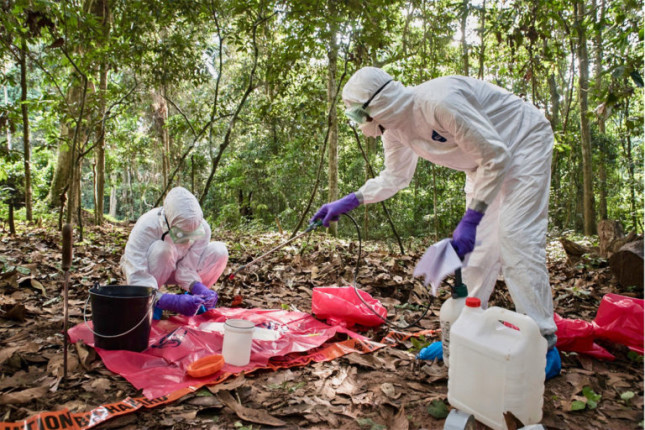
›In early 2020, as a novel coronavirus swept the globe, a little-known word entered dinner table conversation. COVID-19 was “zoonotic”: a disease that originated in animals, then evolved, breached the Darwinian divide, and jumped to humans. On March 11, 2020, the World Health Organization (WHO) declared a global pandemic.
Now, with another wave surging worldwide — and more than 600,000 new cases being diagnosed daily — a new fear-evoking word has entered the lexicon: “variant.”
-
No Vaccine to End the Shadow Pandemic of Gender-Based Violence
›“Addressing gender equity and equality is essential to every other challenge we face,” said U.S. Vice President Kamala Harris in a recent speech at the Generation Equality Forum. Following the forum, countries across Francophone Africa made key commitments to end gender-based violence (GBV), including child marriage.
-
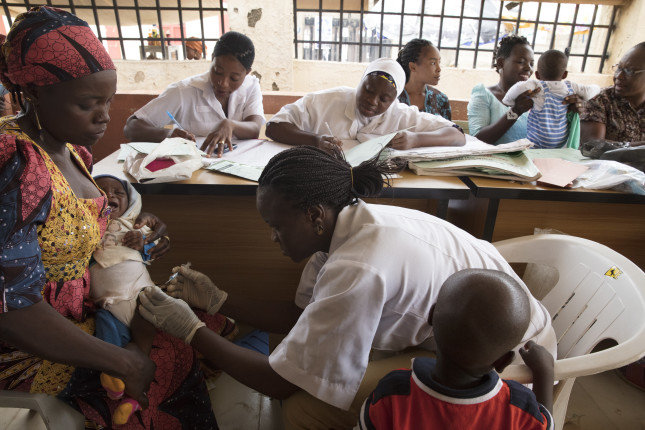
Understanding Hesitancy for Childhood Vaccines in Nigeria – It’s Not Just About COVID-19
›Vaccination hesitancy, even in the midst of a global pandemic, is a major barrier to the elimination of several highly contagious and deadly diseases. While COVID-19 vaccines are getting the most attention, they are not the only vaccines that protect against deadly contagious diseases. And as with the COVID-19 vaccines, around the world, many communities are insufficiently covered by vaccines—particularly children. This is especially true in West Africa, where—though improving—childhood immunization rates still lag behind much of the world. To explore reasons for these persistent low childhood immunization rates, Breakthrough RESEARCH, a USAID-funded project that works to expand the evidence base for social and behavior change programming, increase healthy behaviors, and enable positive social norms through improved social and behavior change programming, conducted a study to look at behavioral drivers of decision-making about vaccines in Nigeria.
-
Empowered Aid: New Toolkit Helps Detect and Prevent Sexual Exploitation and Abuse in Humanitarian Assistance
›Seventy-three percent of women and girls receiving aid at one food program in Uganda reported being afraid during at least one point in the distribution process, said Hope Harriet, Empowered Aid Research Manager. Harriet spoke at the launch event for Empowered Aid’s Toolkit for Planning and Monitoring Safer Aid Distributions. Empowered Aid is a participatory action research project focused on addressing sexual exploitation and abuse (SEA) in humanitarian settings and aid distribution. The project is led by the Global Women’s Institute (GWI) in partnership with CARE, the Union of Relief and Development Associations, the International Rescue Committee, and World Vision.
Showing posts from category global health.
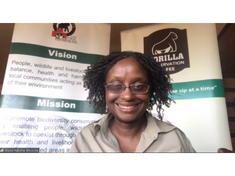 “When we started out, people thought it was weird. ‘Why are you integrating people and animals and why are you integrating human health and animal health?’” says Kalema-Zikusoka, founder of