-
Meeting Africa’s Demographic Challenge
›
Often cast into the backwaters of U.S. foreign policy, sub-Saharan Africa now looms large as the Biden Administration grapples with a wide range of global challenges. President Biden will soon host the upcoming Africa Leaders’ Summit in Washington, that acknowledges the U.S. government must do much more in Africa in order to advance U.S. interests and global prosperity.
-
Meeting Family Planning Supply Chain Challenges in Sub-Saharan Africa
›
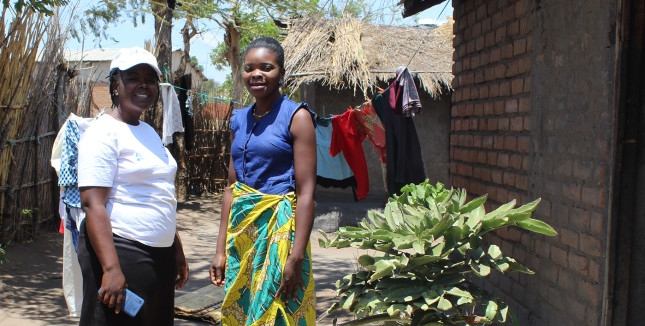
Last April, Eless Limani set out on a long and costly bicycle ride to the Mponela Health Center to get a new supply of birth control pills, her usual contraceptive. The 32-year-old mother was not ready to have a second child.
-
Investing in Women and Girls is Central to Addressing Root Causes of Migration from Guatemala
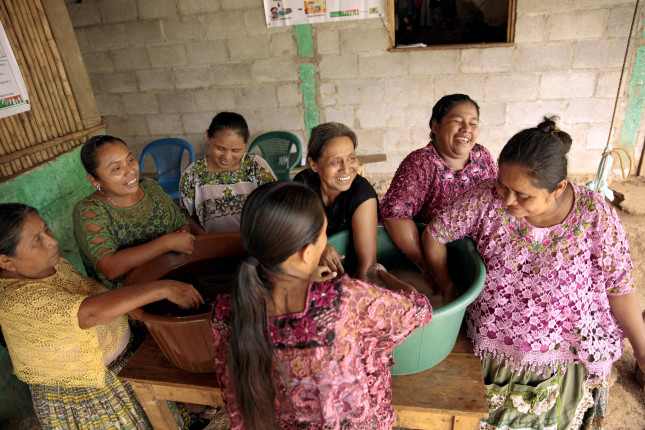
›In recent years, a growing proportion of migrants at the US southern border have come from Guatemala, El Salvador, and Honduras. This surge of migrants from Central America has prompted the U.S. government to seek to better understand and address the root causes of migration from the region. One substantive response came in July 2021, under Executive Order 14010, when the Biden-Harris Administration released what has become known as the Root Causes Strategy. The White House pledged to commit $4 billion over four years on efforts to address drivers of irregular migration from these three countries.
-
The Crisis of Perinatal Mental Health Requires Collaborative Solutions
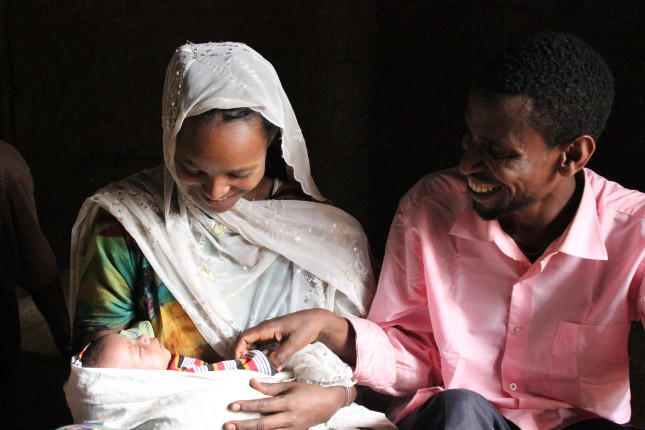
›While a great deal of focus on risks to women’s health just before and after giving birth centers on physical wellbeing, Rebecca Levine, Senior Maternal Health Advisor with the U.S. Agency for International Development (USAID), observed that we may be missing a key part of the picture.
-
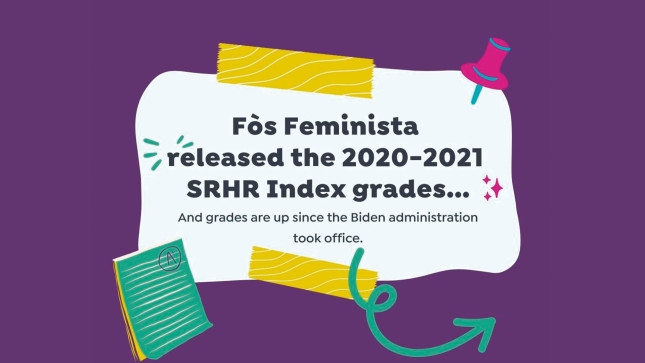
The Grades Are In: The Biden Administration Makes Progress on SRHR
›For six years, the Sexual and Reproductive Health and Rights (SRHR) Index has been a tool to hold the United States accountable to the commitments made nearly three decades ago at the International Conference on Population and Development (ICPD) in Cairo in 1994, where 180 countries developed a human rights framework for global development that explicitly promoted SRHR for women and girls globally.
-
Reproductive Autonomy: The Goal in Family Planning
›The 15th anniversary of World Contraception Day (WCD) on September 26th was a perfect moment to renew the commitment to increase awareness and knowledge about contraceptive methods. But the availability of safe and effective methods is not enough. Reproductive autonomy, which is defined as “having the power to decide about and control matters associated with contraceptive use, pregnancy, and childbearing,” is also a central tenet of both WCD and the Sustainable Development Goals for 2030. People must be supported in making their own decisions about their sexual and reproductive health, including if and how they become pregnant.
-
New Global Health & Gender Policy Brief: Mental Health and COVID-19
›The COVID-19 pandemic has had far-reaching, negative impacts on health and well-being, particularly in population mental health. Mental health is strongly related to people’s social environment, and the COVID-19 pandemic disrupted this greatly. Many countries instituted shutdowns early in the pandemic restricting people’s movement both within and between countries. Shutdowns socially isolated people from one another and often led to poor mental health. The highest rates of mental distress occurred during time periods when COVID-19 mitigation measures were strictest and the number of COVID-19 related deaths was highest.
-
Environmentalists Need To Talk About Population Growth. Here’s How.
›On November 15, the world population is projected to reach 8 billion people. As we approach that milestone, there’s no denying that our rapidly growing human population also places extraordinary pressure on the environment. The human population has doubled in the last 50 years, while wildlife populations have been cut in half.
Showing posts from category global health.