-
A World of Extremes: New Thinking Needed to Reconcile Food-Water Choke Points
›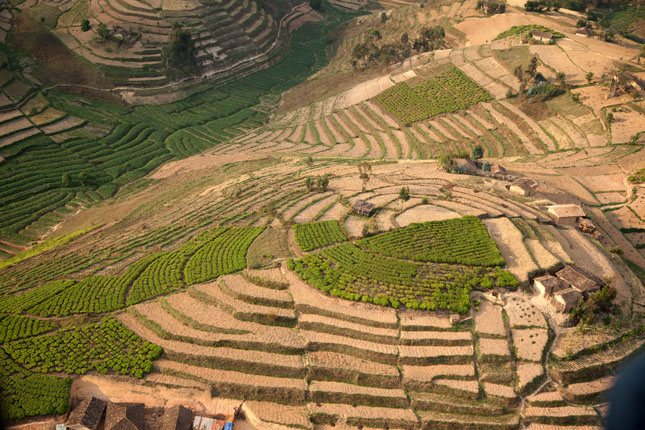
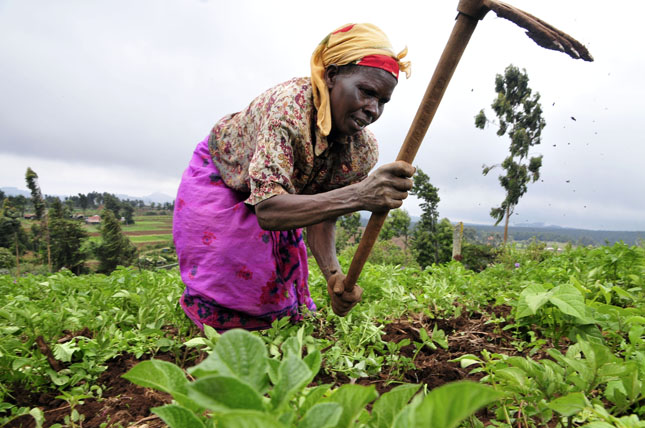
Food and water are tied to one another fundamentally. But in addition to their biophysical relationship, human systems intervene, whether through pricing schemes and trade agreements or shifting patterns in consumption and taste.
-
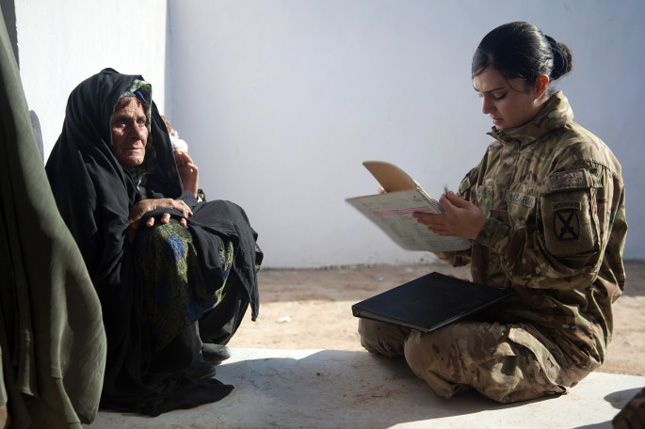
Lauri Romanzi on Rethinking Maternal Morbidity Care in a Historical Context
› In May 1855, Dr. James Marion Sims opened the first obstetric fistula hospital in New York City. Just 40 years later, it closed, reflecting a sharp decline in maternal morbidity rates in the United States and other Western countries. The Waldorf Astoria Hotel now stands on the site of the former hospital. “We know that we have eradicated obstetric fistula in high income countries; it happened at the turn of the 20th century,” says Dr. Lauri Romanzi, project director of Fistula Care Plus, in this week’s podcast.
 -
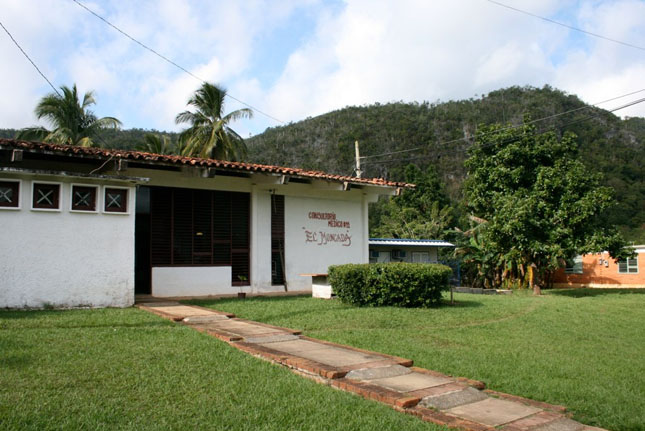
Keeping Up With Cuba: Mother-to-Child HIV Transmission in the Caribbean
›Fear of mother-to-child transmission of HIV and other infectious diseases has been used as an excuse to deny women health care around the world. Some women living with HIV have even been sterilized without their knowledge. But with proper treatment, the chances of transmission to an unborn child are very low in many cases. The World Health Organization (WHO), in fact, just declared Cuba the first country to eliminate mother-to-child transmission of HIV and syphilis.
-
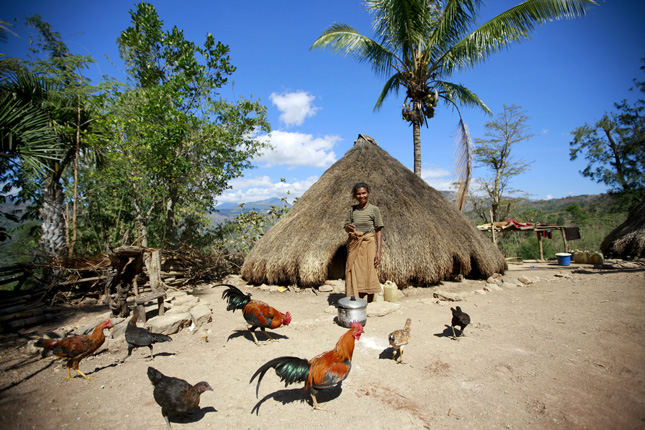
“People Need Nature to Thrive”: Recovering From Conflict Through Conservation in Timor-Leste
›In my tiny, half-an-island country of Timor-Leste, cemeteries smell of jasmine and come to life on All Saints’ Day. Families have picnics and kids roam wild over the tombstones. Here, stepping on somebody else’s family tombstones is not seen as an offense but as the norm; after all, since there isn’t enough land to hold so many graves, not stepping on one is impossible unless you have mastered levitation.
-
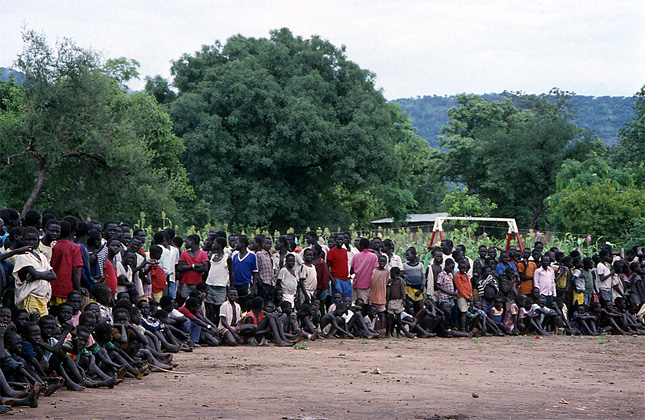
A Case for Refugee Resilience: Reflection on the Lost Boys’ Story of Perseverance
›Fifteen years ago last month, I was brought to America through the U.S. Refugee Resettlement Program after having lived in refugee camps in Ethiopia and Kenya for more than a decade. As I reflect on my experience, it is my hope that it will inspire others and help inform dialogue on forced migration so that refugees are perceived not just as victims, but models of resilience.
-
Bixby Report Explains Cross-Cutting Effect of Family Planning on Food Security, Climate Change
›July 16, 2015 // By Linnea Bennett“With current neglect of family planning, the UN’s recent projection of a 2100 world population of up to 12.3 billion is a possibility,” says a report from the University of California, San Francisco’s Bixby Center for Global Reproductive Health. Increased voluntary family planning efforts are needed, the authors contend, to meet existing demand for contraceptives, stabilize the threat of global food insecurity, and reduce carbon emissions that contribute to climate change.
-
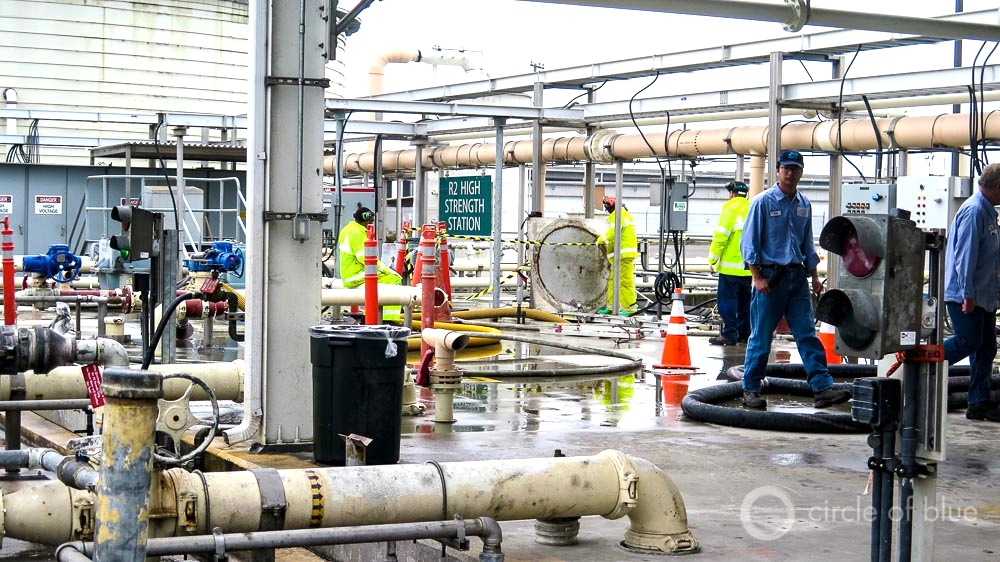
Oakland’s Water Treatment Plant Generates Its Own Energy and Then Some
›Although treating wastewater generally ranks alongside police and fire safety, schools, and transit as the top priorities of any sensible city hall, new ideas about cleaning up sewage almost never attract headlines or TV airtime. In its 90-year history, for instance, The New Yorker, the most urbane and expansive magazine in the country, has never published a feature article on sewage treatment.
-
The Hillary Doctrine: Sex and American Foreign Policy (Book Launch)
›When Valerie Hudson evaluates the strength of a nation, whether food security, wealth, peacefulness, or quality of governance, she finds one important thread that underlies it all. “One of the most important factors in the determination of these things is in fact the situation, and security, and status of women,” said Hudson at the Wilson Center on June 24. [Video Below]
Showing posts from category featured.
 In
In