• woodrow wilson center
  • ecsp

New Security Beat

Subscribe:
  • rss
  • mail-to
  • Who We Are
  • Topics
    • Population
    • Environment
    • Security
    • Health
    • Development
  • Columns
    • China Environment Forum
    • Choke Point
    • Dot-Mom
    • Friday Podcasts
    • Navigating the Poles
    • Reading Radar
  • Multimedia
    • Water Stories (Podcast Series)
    • Backdraft (Podcast Series)
    • Tracking the Energy Titans (Interactive)
  • Films
    • Water, Conflict, and Peacebuilding (Animated Short)
    • Paving the Way (Ethiopia)
    • Broken Landscape (India)
    • Scaling the Mountain (Nepal)
    • Healthy People, Healthy Environment (Tanzania)
  • Publications
  • Events
  • Contact Us

NewSecurityBeat

The blog of the Wilson Center's Environmental Change and Security Program
Showing posts from category featured.
  • Who Benefits From REDD+? Lessons From India, Tanzania, and Mexico

    ›
    Guest Contributor  //  August 4, 2015  //  By Prakash Kashwan
    kalimantan

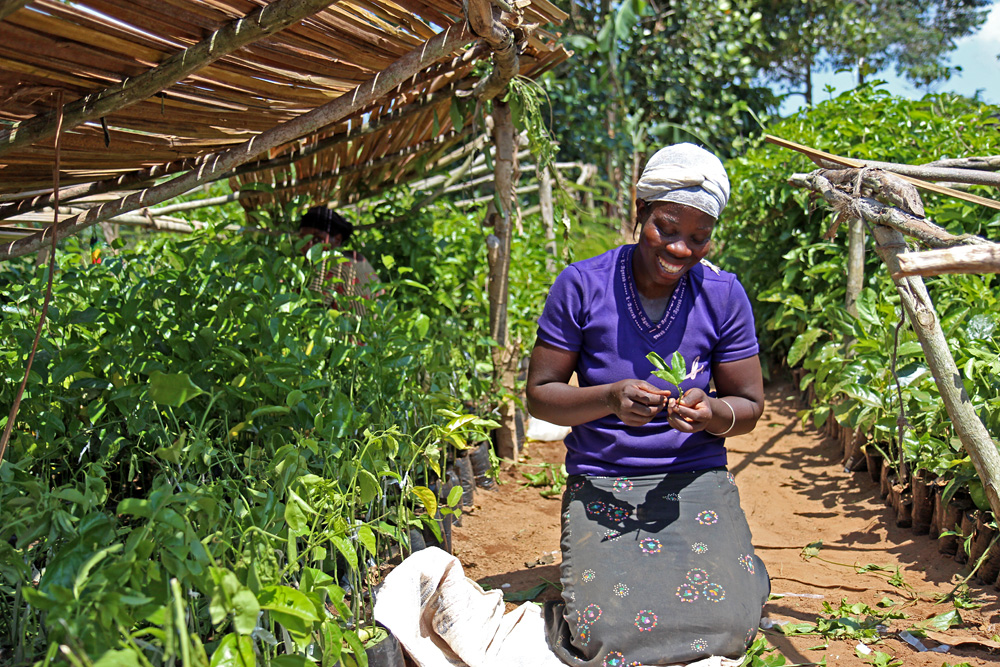
    REDD+, a global framework designed to reward governments for preserving forests, has pledged nearly $10 billion to developing countries. But minorities, indigenous people, the poor, and other marginalized groups that live in forest areas often end up paying more than their fair share of the costs of environmental cleanup and conservation while getting less in return. What can be done to change this?

    MORE
  • In Search of Higher Returns: Can Extractive Industries Help Build Peace?

    ›
    August 3, 2015  //  By Carley Chavara

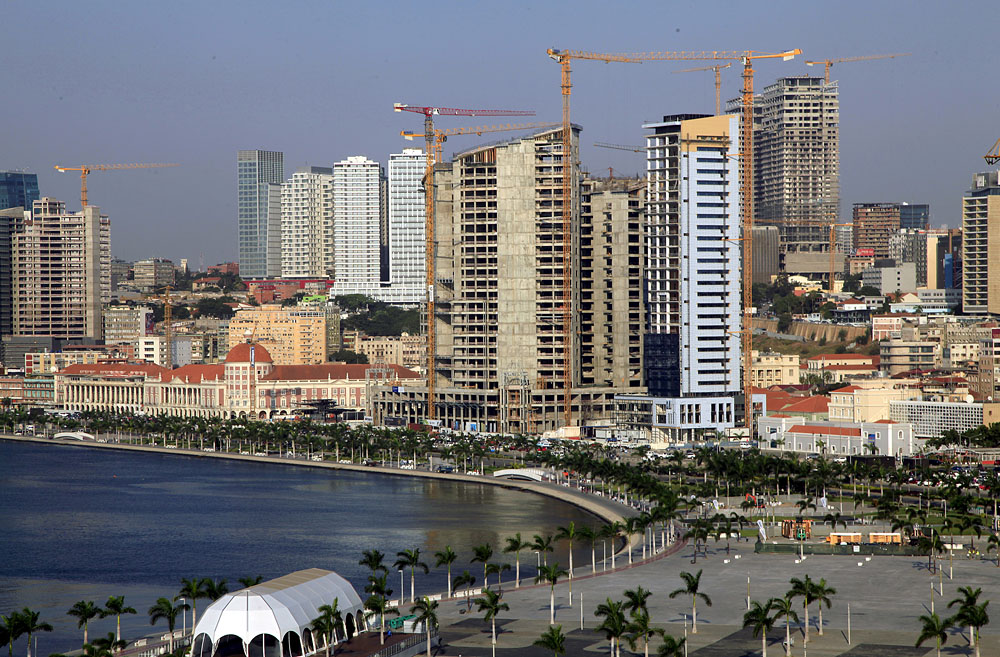
    If you’re a government pondering the development of newly discovered natural resources, how do you avoid the so-called “resource curse” – the tendency of high value extractive resources, like oil, gas, or minerals, to, instead of prosperity, bring corruption, entrenched poverty, and even violence?

    MORE
  • Running Faster to Stand Still: New UN Population Projections Point to Challenges Ahead for SDGs

    ›
    July 29, 2015  //  By Schuyler Null
    Cairo-cityscape

    In most parts of the world, population growth is stagnant, even declining slightly, part of a decades-long and nearly universal shift towards smaller, healthier families. But the places where growth is still rapid continue to defy expectations about when they will “catch up.”

    MORE
  • Turning the Climate-Security Problem on Its Head: Geoff Dabelko Talks G7 ‘Climate for Peace’ Report

    ›
    On the Beat  //  July 29, 2015  //  By Linnea Bennett

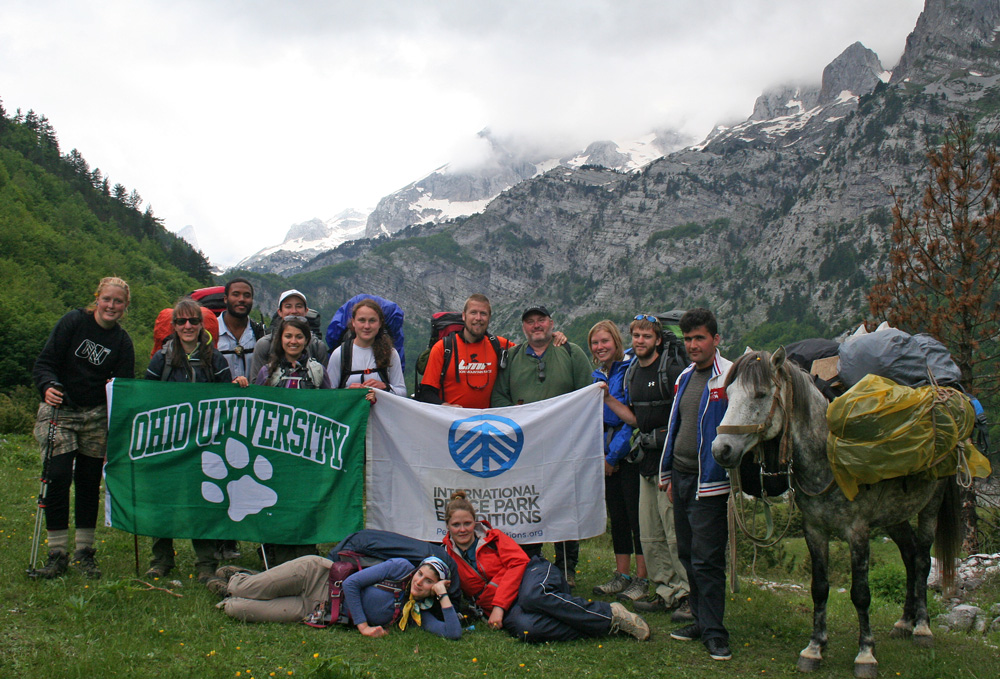
    Dabelko_smallConversations around climate change often take place at the “30,000-foot level,” said Ohio University Professor and ECSP Senior Advisor Geoff Dabelko in a recent radio interview with WOUB Public Media, based out of Athens, Ohio. Emission reductions, carbon concentrations, global temperatures. But a certain amount of change is already baked into the system and impacts are playing at in different ways around the world already.

    MORE
  • How Successful Were the Millennium Development Goals? A Final Report

    ›
    July 28, 2015  //  By Josh Feng
    MDG_BurningIndiaCrops

    Earlier this month, the United Nations released a final report on the Millennium Development Goals (MDGs), the framework that has guided global development efforts for the last 15 years. The document examines each of the eight MDGs and finds that “despite many successes, the poorest and most vulnerable people are being left behind.” As one of the first global poverty reduction movements nears its end, the report calls for better data collection practices to create a post-2015 development agenda that can overcome the MDG’s shortcomings.

    MORE
  • A World of Extremes: New Thinking Needed to Reconcile Food-Water Choke Points

    ›
    Guest Contributor  //  July 27, 2015  //  By Anders Jägerskog
    Rwanda terrace

    Food and water are tied to one another fundamentally. But in addition to their biophysical relationship, human systems intervene, whether through pricing schemes and trade agreements or shifting patterns in consumption and taste.

    MORE
  • Lauri Romanzi on Rethinking Maternal Morbidity Care in a Historical Context

    ›
    Dot-Mom  //  Friday Podcasts  //  July 24, 2015  //  By Josh Feng

    Romanzi-smallIn May 1855, Dr. James Marion Sims opened the first obstetric fistula hospital in New York City. Just 40 years later, it closed, reflecting a sharp decline in maternal morbidity rates in the United States and other Western countries. The Waldorf Astoria Hotel now stands on the site of the former hospital. “We know that we have eradicated obstetric fistula in high income countries; it happened at the turn of the 20th century,” says Dr. Lauri Romanzi, project director of Fistula Care Plus, in this week’s podcast.

    MORE
  • Keeping Up With Cuba: Mother-to-Child HIV Transmission in the Caribbean

    ›
    Dot-Mom  //  July 23, 2015  //  By Francesca Cameron
    IMG_7565 copy

    Fear of mother-to-child transmission of HIV and other infectious diseases has been used as an excuse to deny women health care around the world. Some women living with HIV have even been sterilized without their knowledge. But with proper treatment, the chances of transmission to an unborn child are very low in many cases. The World Health Organization (WHO), in fact, just declared Cuba the first country to eliminate mother-to-child transmission of HIV and syphilis.

    MORE
Newer Posts   Older Posts
View full site

Join the Conversation

  • RSS
  • subscribe
  • facebook
  • G+
  • twitter
  • iTunes
  • podomatic
  • youtube
Tweets by NewSecurityBeat

Trending Stories

  • unfccclogo1
  • Pop at COP: Population and Family Planning at the UN Climate Negotiations

Featured Media

Backdraft Podcast

play Backdraft
Podcasts

More »

What You're Saying

  • Volunteers,At,The,Lagos,Food,Bank,Initiative,Outreach,To,Ikotun, Pan-African Response to COVID-19: New Forms of Environmental Peacebuilding Emerge
    Rashida Salifu: Great piece 👍🏾 Africa as a continent has suffered this unfortunate pandemic.But it has also...
  • A desert road near Kuqa An Unholy Trinity: Xinjiang’s Unhealthy Relationship With Coal, Water, and the Quest for Development
    Ismail: It is more historically accurate to refer to Xinjiang as East Turkistan.
  • shutterstock_1779654803 Leverage COVID-19 Data Collection Networks for Environmental Peacebuilding
    Carsten Pran: Thanks for reading! It will be interesting to see how society adapts to droves of new information in...

What We’re Reading

  • Rising rates of food instability in Latin America threaten women and Venezuelan migrants
  • Treetop sensors help Indonesia eavesdrop on forests to cut logging
  • 'Seat at the table': Women's land rights seen as key to climate fight
  • A Surprise in Africa: Air Pollution Falls as Economies Rise
  • Himalayan glacier disaster highlights climate change risks
More »
  • woodrow
  • ecsp
  • RSS Feed
  • YouTube
  • Twitter
  • Facebook
  • Home
  • Who We Are
  • Publications
  • Events
  • Wilson Center
  • Contact Us
  • Print Friendly Page

© Copyright 2007-2021. Environmental Change and Security Program.

Woodrow Wilson International Center for Scholars. All rights reserved.

Developed by Vico Rock Media

Environmental Change and Security Program

Woodrow Wilson International Center for Scholars

Ronald Reagan Building and International Trade Center

  • One Woodrow Wilson Plaza
  • 1300 Pennsylvania Ave., NW
  • Washington, DC 20004-3027

T 202-691-4000