-
Falling Costs, Rising Opportunities: Scaling Up Renewable Energy in the Developing World [Part Two]
›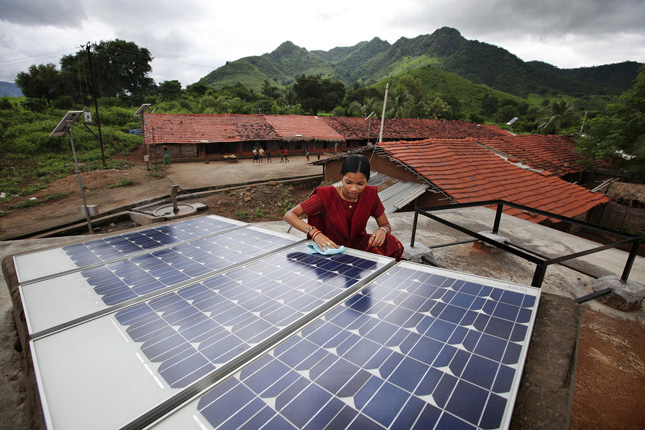
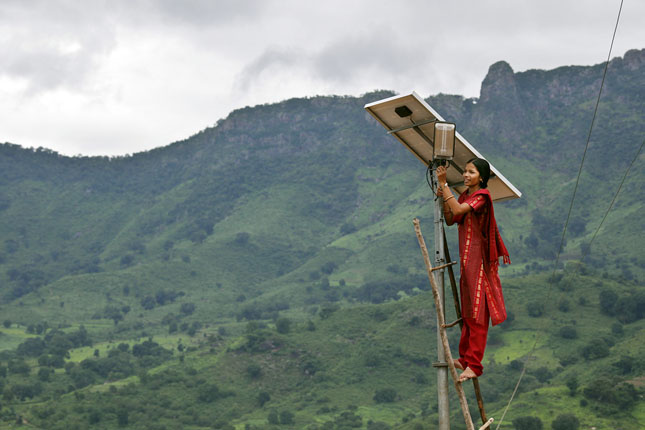
“Clean energy has gone from being the ‘right thing to do’ in combating climate change, to being the most cost-effective option for many energy-insecure countries,” said Carrie Thompson, deputy director of the U.S. Agency for International Development’s Regional Development Mission for Asia, during a day-long conference on renewable energy at the Wilson Center on October 27 (read part one of our coverage here).
-
Zero-Emission Energy for 1.3 Billion People? Scaling Up Renewable Energy in the Developing World [Part One]
›
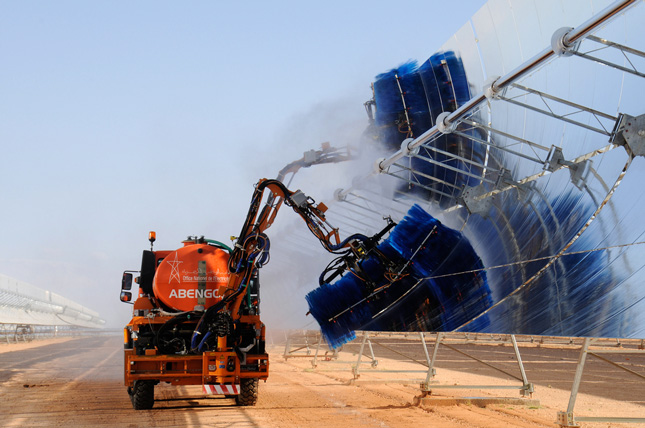
The renewable energy sector has reached a critical inflection point where costs are competitive with fossil fuels and investment is ramping up in a big way, said more than a dozen experts at a day-long conference co-hosted by ECSP and the U.S. Agency for International Development’s Office of Global Climate Change on October 27.
-
Long in the Background, Population Becoming a Bigger Issue at Climate Change Discussions
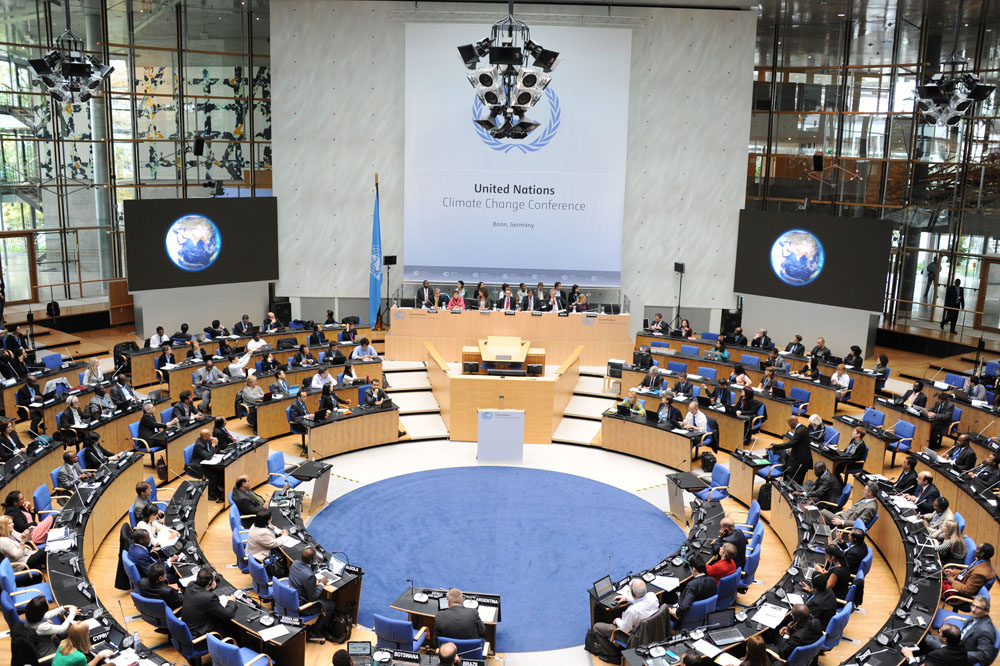
›As most of the world’s governments are puzzling out what they can offer to combat global climate change, a sensitive but critical aspect of the problem is coming into clearer focus: population. The word appears 20 times in a new 66-page synthesis of country pledges to cut greenhouse-gas emissions by the UN Framework Convention on Climate Change’s Secretariat. And those are the mentions of population in the context of size or growth, not the word’s more frequent use as a synonym for “people.”
-
Military Leaders: Climate Change, Energy, National Security Are Inextricably Linked
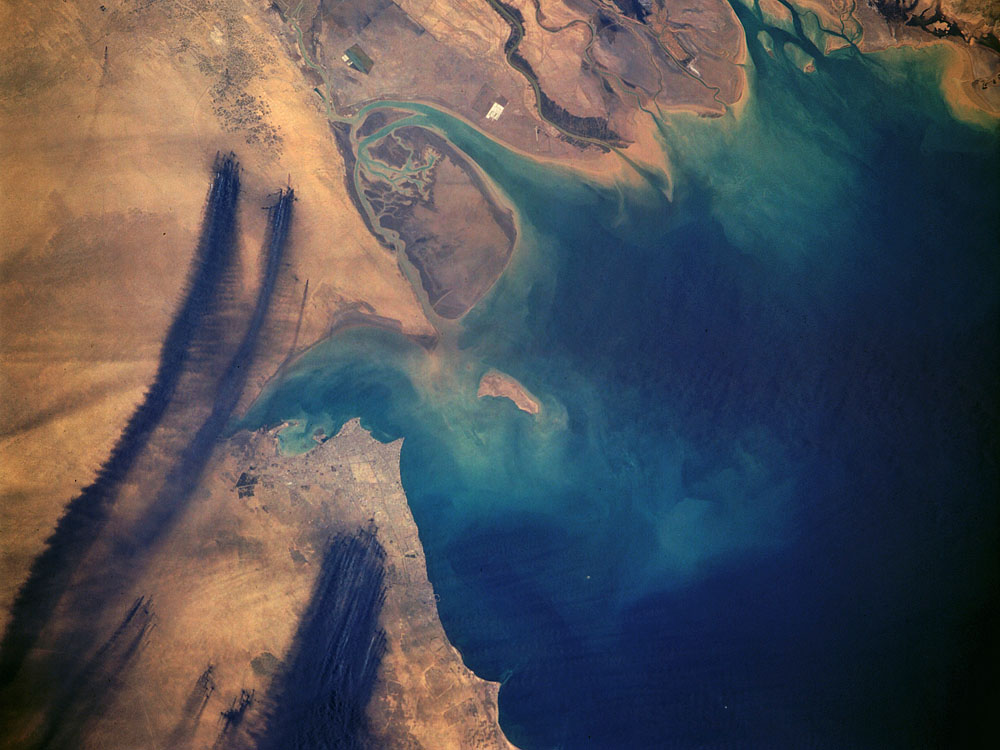
›In the midst of a minefield on day two of Desert Storm Task Force Ripper, Marine Corps Operations Officer Richard Zilmer stepped out of his armored personnel carrier, squinted up at the sky, and saw nothing but black from horizon to horizon. Iraqi forces, trying desperately to blunt the attack of coalition armies, had set fire to hundreds of Kuwaiti oil wells and oil-filled trenches.
-
The Renewable Energy Era Has Already Started
›The world has entered a new energy era. Last year, for the first time in four decades, the global economy grew without an increase in CO2 emissions, according to the Renewable Energy Policy Network for the 21st Century.
-
What’s the Impact of China’s Cap-and-Trade Program?
›China’s announcement of a nationwide cap-and-trade program is a sign that the government is serious in its “war against pollution,” says China Environment Forum Director Jennifer Turner, and it may help move the climate change discussion in the United States too.
-
Finding the Path: Increasing Contraceptive Choice in Africa’s Most Populous Countries
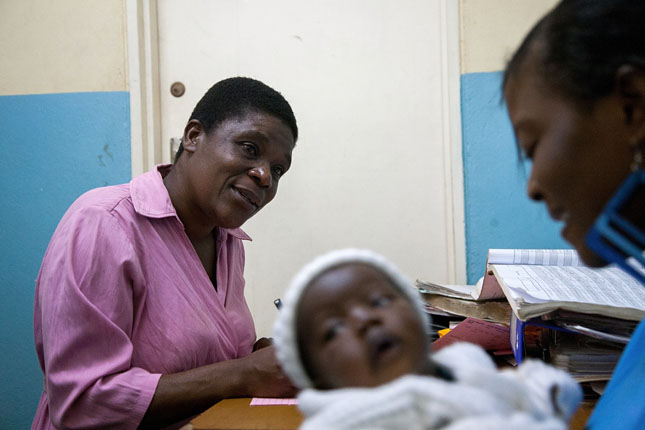
›More than 225 million women in developing countries want to avoid or delay pregnancy but are not using safe, modern, and effective contraceptive methods. Such a gap between women’s contraceptive behavior and reproductive goals is called an unmet need for family planning, and no region has more unmet need than sub-Saharan Africa. [Video Below]
-
Managing Expectations for the Paris Climate Conference and Beyond
›The focus of the global community on the outcomes of the Paris Conference of Parties (COP) to the UN Framework Convention on Climate Change (UNFCCC) in December is unprecedented. The world awaits, anticipating the details of an international and legally-binding agreement to address climate change. [Video Below]
Showing posts from category featured.