

-
Religion and Climate Diplomacy in Small Island Developing States
›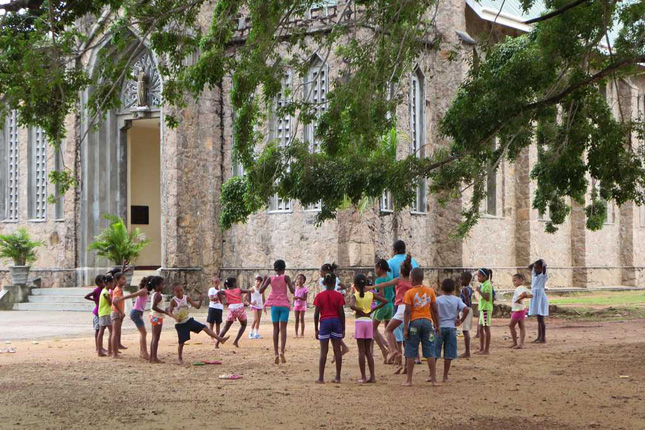
Island states contribute only .03 percent to global emissions, but “nineteen major Caribbean cities are in the bullseye of the climate threat” and Pacific island states such as Kiribati and Tuvalu face an existential threat from sea level rise, said Selwin Hart, Barbados’ ambassador to the Organization of American States and the United States. At the same time, Small Island Developing States (SIDS) in the Pacific and the Caribbean are leading efforts to combat climate change, said experts at the Wilson Center on July 10.
-
Tomorrow May Be Too Late: Military Leaders Testify on National Security Challenges of Climate Change
›September 11, 2017 // By Amanda King
As the Senate returns from recess, passing the annual National Defense Authorization Act will be one of its top priorities—and this year it could include a potentially controversial amendment directing the Pentagon to assess the impact of climate change on national security. In the House, the Langevin amendment surprisingly garnered enough Republican support to withstand a challenge in July. Since then, two more senior military appointees have testified to the importance of understanding the challenges climate change poses to national security.
-
Managing Sludge Mountains: What Beijing Can Learn From Brooklyn
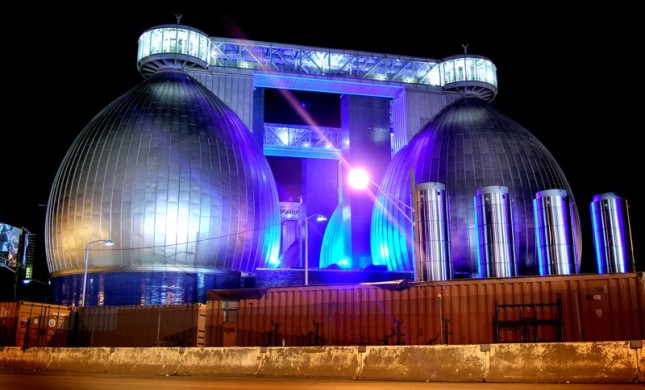
›Chinese cities are being encircled by untreated sludge—a pungent, viscous mixture of human excreta and stormwater runoff. Four years ago in Beijing, trucks loaded with untreated sludge from the city’s largest wastewater treatment plant were illegally dumping mountains of sludge in the outskirts of the capital as “free fertilizer” for peri-urban farms. Similarly, in the southern China city of Guangzhou, disposing toxic sludge into the nearby river required nothing more than a hired boat. From the far western desert city of Urumqi to the eastern metropolis of Shanghai, more and more of China’s cities are struggling to manage mountains of sludge and municipal waste, as well as floods of wastewater and stormwater runoff.
-
Gaming Your Way to Disaster Risk Insurance
›Fear fends off disaster, but does fear give us the tools to manage risk? Do we need to spend precious time learning complex risk management techniques? Perhaps not: learning disaster reduction techniques could be as easy as playing a game. “Well-designed games, like risk management measures, involve decisions with consequences. While games can never fully capture the complexity of climate risk management decisions, through gameplay these complexities can be revealed, discussed, and processed,” writes Pablo Suarez, the Climate Centre’s associate director for research and innovation.
-
Climate Variability, Water, and Security in El Salvador
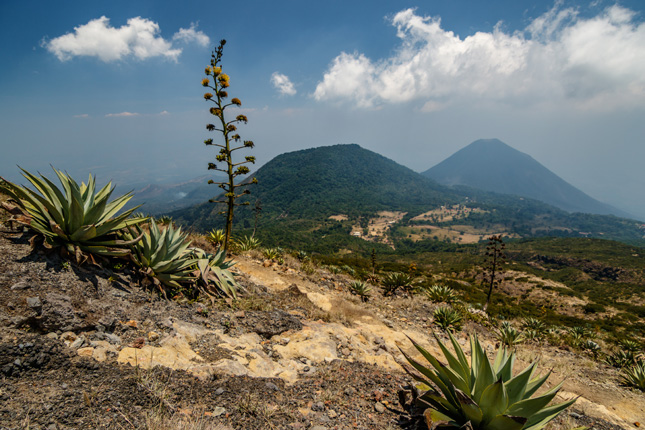
›Water-related challenges in El Salvador have acquired far greater significance over the past decade as they have intersected with other social problems including migration, criminal violence, and drug trafficking. When combined, these factors pose threats to domestic and regional stability. Damaging heavy rains, droughts, and rising temperatures are exacerbated by steadily intensifying El Niño oscillations and threaten the production of staple and export crops. The declining viability of rural livelihoods is driving many farming families to migrate to urban centers or across borders. Food security is a constant concern across the region, and millions already rely on humanitarian assistance. Infrastructure has been damaged repeatedly by floods and raging rivers. El Salvador can mitigate many of these risks by employing ecological landscape restoration. Improving the soil’s capacity to retain and regulate water will help maintain both agricultural and ecological viability.
-
Flooding in Bangladesh: Calling Out Climate Change From the High Ground
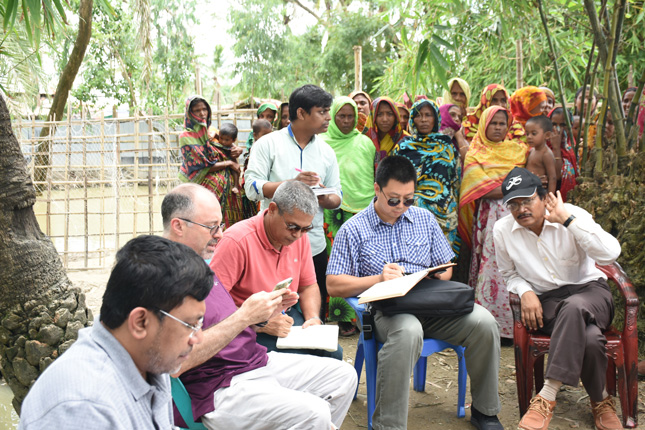
›Floods have taken the lives of more than 100 people in northern Bangladesh over the last two weeks. Fully one third of the country has been flooded and some 600,000 people have been displaced in the riverine nation as a result of monsoons in India and Nepal. At international climate forums, Bangladeshi diplomats consistently decry such disasters as part of their urgent calls for action to mitigate changing weather patterns worldwide. But here in the country’s Rangpur-Kurigam region, both authorities and citizens have been reluctant to attribute these deadly disasters to the effects of climate change.
-
Water Stress, Instability and Violent Extremism in Nigeria
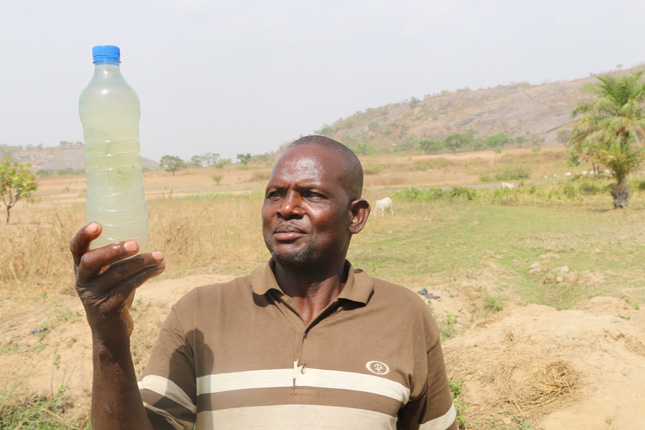
›Nigeria is ranked among the most fragile states in the world. The country faces significant water challenges, which vary greatly from one region to another. Weak governance exacerbates these water challenges, while conflicts over water resources make governance more difficult. There are three main geographical flashpoints where conflict over water is likely to break out. In the north and northeast, Boko Haram has waged a violent insurgent campaign since 2010; among their demands is government provision of clean water. In Nigeria’s Middle Belt, changing rainfall patterns are limiting the grazing area of Muslim Fulani herders, who then encroach on the land of predominantly Christian farmers. Conflict over these lands killed more Nigerians than Boko Haram in 2016. Finally, in the Niger Delta, militant groups are attacking oil infrastructure, partially motivated by conflict over rights to land and waterways. Oil spills also contribute to food insecurity and malnutrition in this region.
-
Doris Chou on Measuring Maternal Health in the SDG Era
›“How do we present things in a responsible way?” asks Dr. Doris Chou of the World Health Organization (WHO) during a Wilson Center panel discussion on “Maternal and Women’s Health, Two Years In: Measuring Progress Towards Meeting the SDGs.” “My job is to make sure things don’t get misinterpreted,” says Chou.
Showing posts from category featured.


 “How do we present things in a responsible way?” asks Dr. Doris Chou of the World Health Organization (WHO) during a Wilson Center panel discussion on “

