-
Covid-19 and Conflict Zones: Prepare Now or Face Catastrophe
›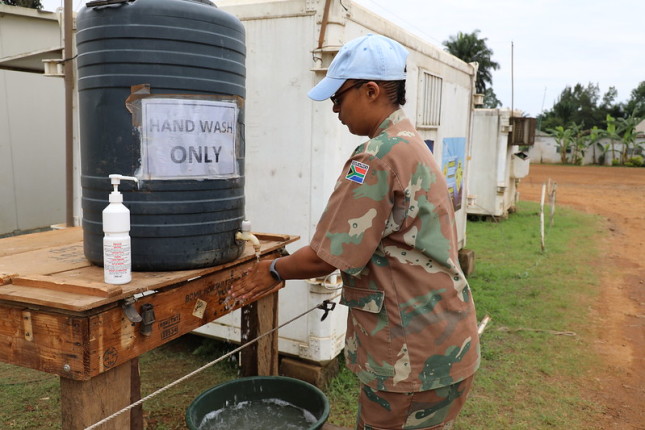
As we have seen over recent weeks, the impact of Covid-19 has caused unprecedented disruption, deaths, and confusion in developed countries. The public health capacity of countries such as the United States and UK has been overwhelmed.
-
Chitra Nagarajan on What’s Changed for Women in Lake Chad Region
› “Women and men face very different risks and challenges,” said Chitra Nagarajan, a writer and journalist who covers climate change, conflict, and gender. She spoke in this week’s podcast about what’s changed in the Lake Chad region. In the last few years the combination of profound climate change and high levels of insecurity have made life harder for the local population. To get a sense of how recent changes have affected Lake Chad’s residents, Nagarajan interviewed more than 250 people. These are some of her findings.
 -
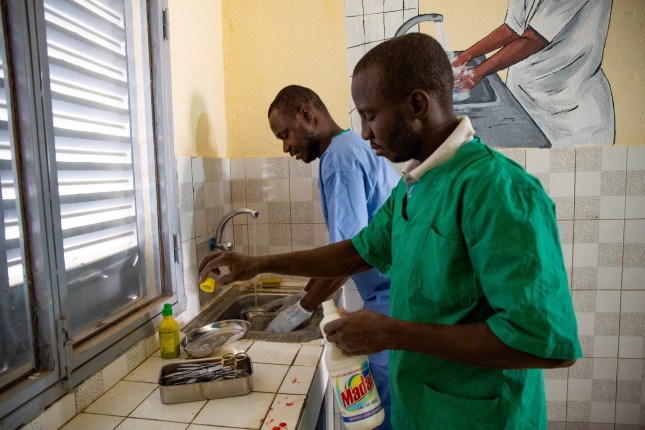
Healthcare Facilities in Developing Countries a High Risk for Coronavirus Transmission
›The front lines in the battle to limit damage from the new coronavirus are expanding.
Covid-19, the disease caused by the virus, emerged in China and then blossomed in comparatively wealthy countries like Italy, South Korea, and the United States.
Now, the virus is spreading in poorer regions — in sub-Saharan Africa, South Asia, and parts of Latin America — where essential defensive measures against infectious disease are often missing.
-
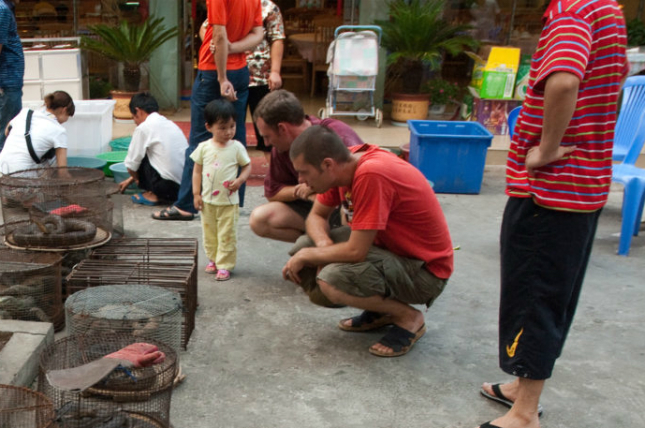
Destruction of Habitat and Loss of Biodiversity are Creating the Perfect Conditions for Diseases like COVID-19 to Emerge
›Mayibout 2 is not a healthy place. The 150 or so people who live in the village, which sits on the south bank of the Ivindo River, deep in the great Minkebe forest in northern Gabon, are used to occasional bouts of diseases such as malaria, dengue, yellow fever and sleeping sickness. Mostly they shrug them off.
-
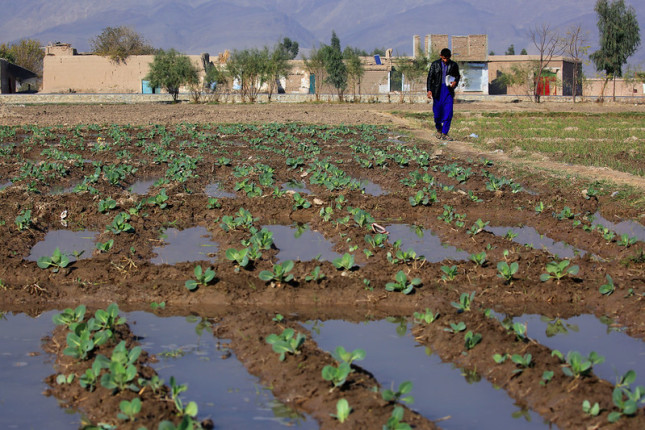
How Natural Resources Could Help Build Peace in Afghanistan
›Potential water wars due to plans for multiple dams, violent opium cartels supporting world heroin markets, and many conflict-financing minerals including everyday talc used for baby powder. These are the types of natural resources stories that usually make front page news about Afghanistan. But natural resources have a significant role to play in stabilizing Afghanistan. Instead of being a source of conflict, they may help with peacebuilding by creating livelihoods and creating opportunities for ex-combatants.
-
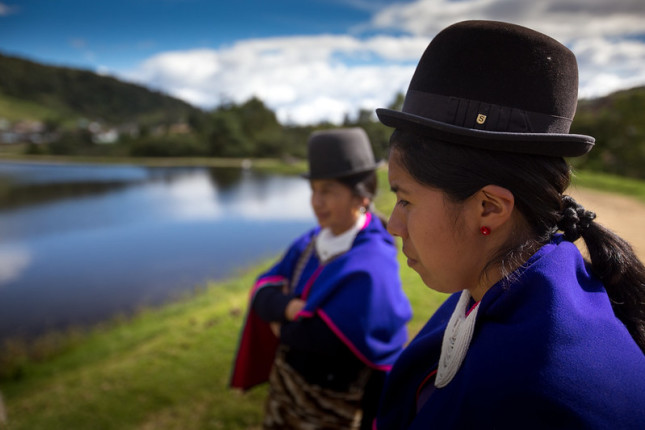
Unsung Sheroes, Climate Action, and the Global Peace and Security Agendas
›“We’re fighting for our lands, for our water, for our lives,” said an indigenous woman from Colombia, describing her work as an environmental defender. She spoke at a December 2019 workshop on Gender, Peace and the Environment held in Bogotá, Colombia, that brought together social, environmental, and legal scholars and practitioners—including indigenous women—to discuss women, peace, and security issues.
-
Environmental Science and National Security: Overcoming Barriers to Connecting Research with Policy
›Beginning with the end of the Cold War, a relatively small but growing number of scholars began to investigate the connections between environmental change, conflict, peace, and changing notions of security. The recognition of these linkages wasn’t new, but as the heavy weight of superpower confrontation lifted and new foreign policy dynamics unfolded across the globe, an expanded range of research questions and tools emerged.
-
Climate Concerns Dominate Reporting Outlook at Society of Environmental Journalists’ Annual Event
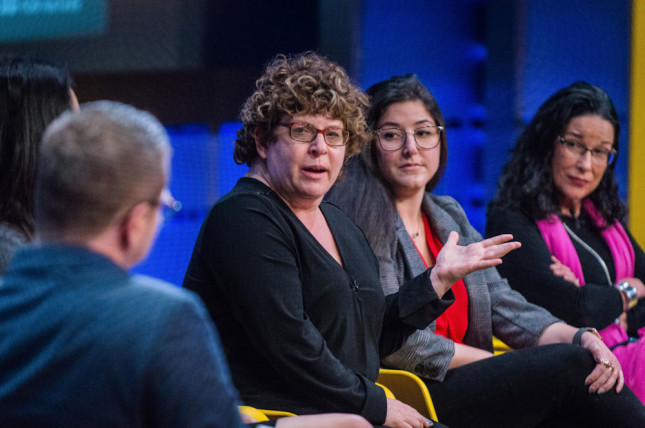
›January 30, 2020 // By Joseph A. DavisThe Society of Environmental Journalists’ annual look-ahead to environment and energy news in 2020 drew a crowd of some 300 (with more than 200 watching the live webcast) at National Geographic Society headquarters in Washington, D.C., Jan. 24.
And the overwhelming topic of discussion — climate change.
Showing posts from category featured.
 “Women and men face very different risks and challenges,” said