-
The More Things Change: Resilience, Complexity, and Diplomacy Are Still Top Priorities in 2018
›
This new year brings new projects—and some sad goodbyes. Today, I’m excited to begin my leadership of Sister Cities International, the world’s largest and oldest network of citizen diplomats. And I’m sorry to leave the Wilson Center, which has been my home for the last five years. But it’s not a long goodbye: I will continue to work with the Global Sustainability and Resilience team as a Global Fellow and as an advisor to the New Security Beat. In all of these roles, my New Year’s resolution is to renew our commitment to making a real difference in global well-being and sustainability. And while this year promises great changes, three key priorities will continue to inspire me and guide our collective efforts: resilience, complexity, and diplomacy.
-
The Burden of Care: The Impact of Progressive Policies
›
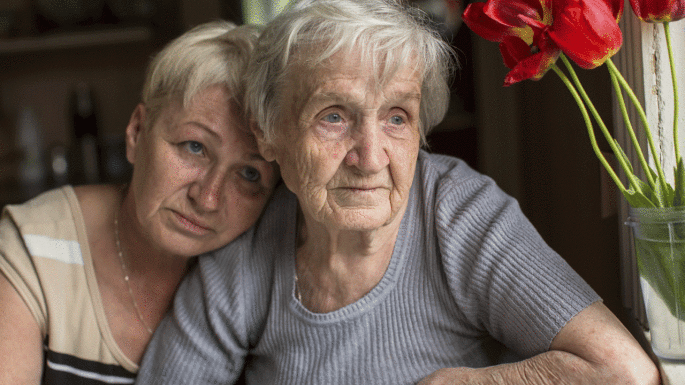
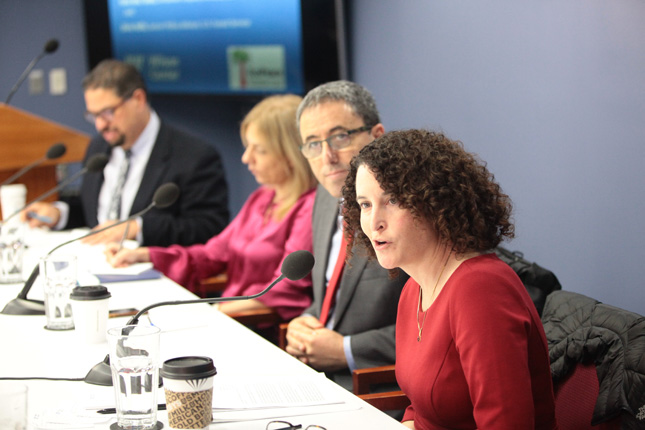
The burden of care—the time, energy, and costs of caring for other people—is growing, and women shoulder the heaviest load. This burden can have negative consequences for businesses, too, as it affects the health and productivity of workers, as well as economic growth. At a recent Wilson Center Ground Truth Briefing, four leading experts discussed the ways in which progressive policies could help balance the burden of care to increase economic productivity and benefit both employers and employees.
-
On the Beat: Non-Communicable Diseases and Maternal Health
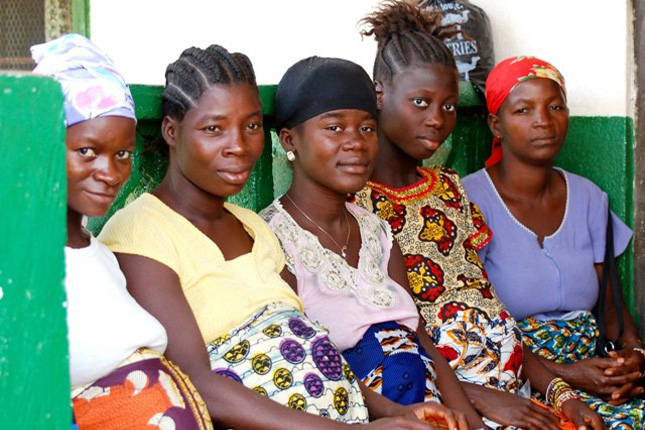
›If women have non-communicable diseases (NCDs)—like cancer and diabetes—“at the time of pregnancy, [it] can hugely impact future generations,” said Adya Misra the associate editor of PLOS One at a recent event hosted by the Maternal Health Task Force (MHTF) to mark the launch of the fifth MHTF-PLOS collection, Non-Communicable Diseases and Maternal Health Around the Globe. “If we do not address NCDs in a maternal health continuum of care, we will, for so many issues, be short changing the progress we have seen [in maternal health] because NCDs are on the rise,” said Katja Iversen, president and CEO of Women Deliver.
-
One in 10 Interstate Disputes Are Fishy – And the Implications Stink
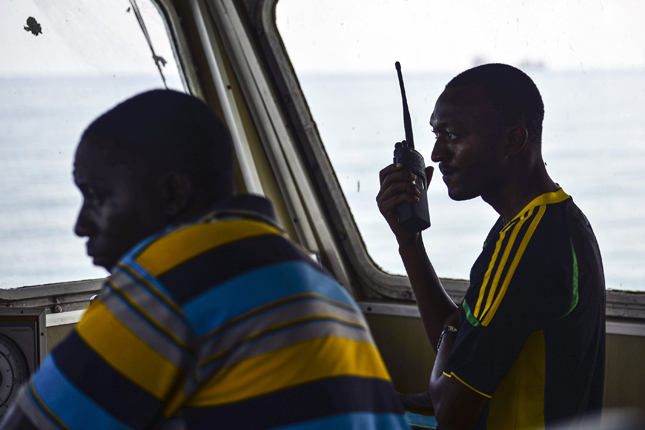
›Fisheries are a surprisingly common reason for conflict between countries. Between 1993 and 2010, 11 percent of militarized interstate disputes (MIDs) – conflicts short of war between two sovereign states – involved fisheries, fishers, or fishing vessels. While the conflicts often involve fresh fish, the implications for global peace and prosperity stink like fermented herring. As climate change threatens to change fish habitats, new governance strategies may be needed to prevent these “fishy MIDs” from sparking broader conflicts.
-
City Kids: The Sexual, Reproductive, and Maternal Health of Urban Adolescents
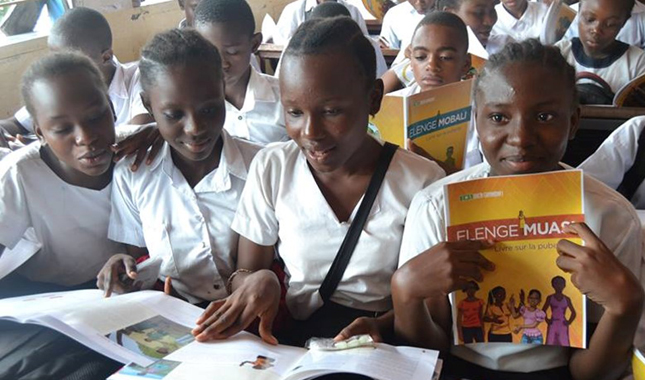
›“All or most of the children living in these communities are by nature vulnerable,” said Melanie Yahner of Save the Children at a recent Wilson Center event on the sexual, reproductive, and maternal health of urban adolescents. Given that half of the global population living in urban areas today is under the age of 25, addressing the health needs of adolescents living in cities has become critical. “Who is shaping their norms and practices?” said Yahner. “How do we develop and adapt interventions that are meaningful for their needs?”
-
The Big Picture: Measuring Efforts to Build Resilience
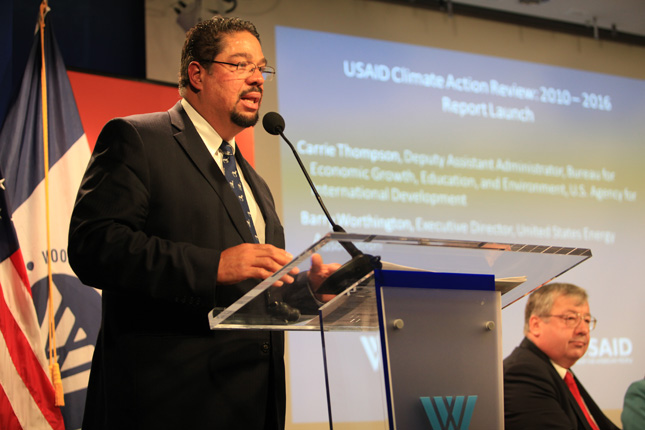
›“Resilience isn’t an outcome,” said USAID Resilience Coordinator Greg Collins at a recent Wilson Center event on measuring resilience; it is “the ability to manage adversity and change without compromising future well-being.” The wide array of individual factors that contribute to building resilience—ranging from livestock insurance and microsavings, to risk tolerance and women’s decision-making—can be challenging to measure individually, let alone in concert. But this assessment is essential for designing and implementing successful development projects: “We have to be able to answer the question: Is this building resilience, yes or no?” said Cornell University’s Chris Barrett.
-
Ripple Effects: Sharing Water and Building Peace in the Jordan River Valley
›In the war-torn Jordan River Valley, we can meet the “strategic objective of reducing conflict by promoting cooperation on shared waters,” said former defense official Sherri Goodman at a recent Wilson Center event on environmental peacebuilding. Even in the midst of political disputes, Jordanians, Israelis, and Palestinians must work together to manage the scarce supplies of clean water to protect their health, their economies, and their security.
-
Healthy Women, Healthy Families: Saving Money and Lives With Faith-Based Family Planning
›“All of the major religions of the world are really quite concerned with addressing the needs of the poor and also the disadvantaged,” said Victoria Graham, senior NGO technical advisor at the U.S. Agency for International Development, at the Wilson Center on July 18. “They’re always looking for interventions that address their needs, including health needs. And family planning is probably the most cost-effective way of doing this. Across the continuum – from looking at the economy to the family to saving lives – family planning is an excellent intervention.”
Showing posts from category featured.