

-
Bioshields: Old Tools for a New Climate
›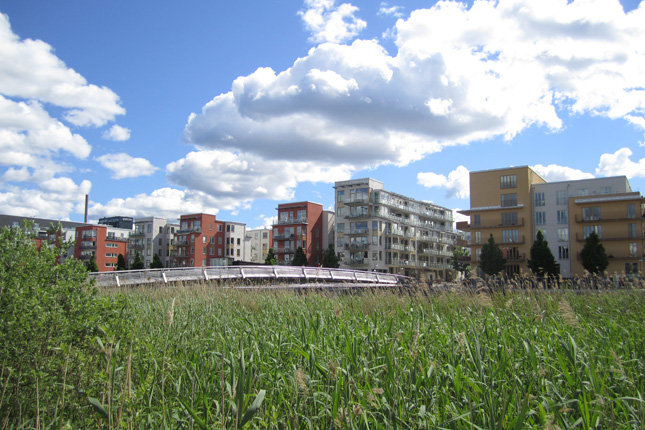
Natural bioshields—wetlands, forests, and urban green spaces—are critical tools for reducing the impacts of disasters on vulnerable communities. Between 1994 and 2014, nearly 7,000 natural disasters occurred worldwide, causing an average of almost 68,000 deaths each year. Climate change, growing populations, and widening economic inequality are all expected to increase the impacts of disasters. Bioshields—nature’s own solutions to natural hazards—can help protect people from these dangerous floods, storms, and heat waves.
-
Climate Change and Conflict: New Research for Defense, Diplomacy, and Development
›
“Climate is unquestionably linked to armed conflict,” said Halvard Buhaug, a professor at the Peace Research Institute Oslo and the Norwegian University of Science and Technology, at a recent Wilson Center event marking the end of the three-year Climate Anomalies and Violent Environments (CAVE) research project. But, he stresses that under a changing climate, exactly how and through what pathways is still a subject of much debate in the academic community.
-
China’s Green Bonds Finance Climate Resilience
›In 2014, we met with some of the technical leads of a major Chinese river basin authority in Beijing and asked them whether they were more worried about pollution or climate change impacts. Both, the engineers replied. Pollution affects us every day, they said, but changes in the climate erode our ability to supply drinking and irrigation water, manage floods, and generate electricity.
China must address its environmental and climate change challenges, such as reducing water pollution and building resilience to droughts, floods, and long-term climate shifts. But existing sources of finance have not met the growing demand for environmental projects.
-
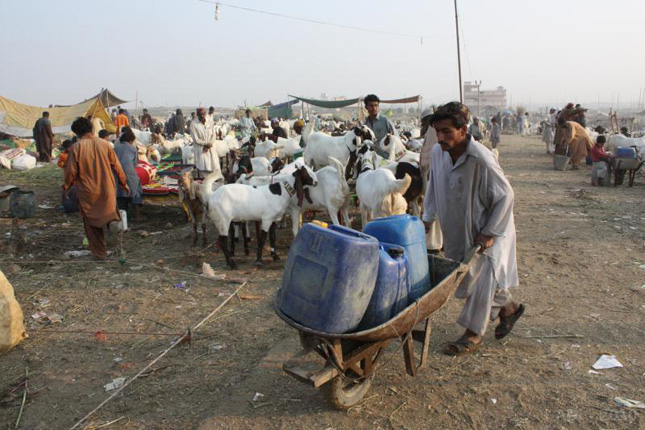
The Next “Day Zero”: Water Scarcity and Political Instability Beyond Cape Town
›Cape Town is running dry. But thanks to its sophisticated water management efforts, the city may ride out the crisis. However, other cities that lack these capacities are less likely to survive Day Zero. Especially in developing countries, where urban water services are often provided by informal or illegal actors, running out of water could have dangerous ripple effects for peace and security.
-
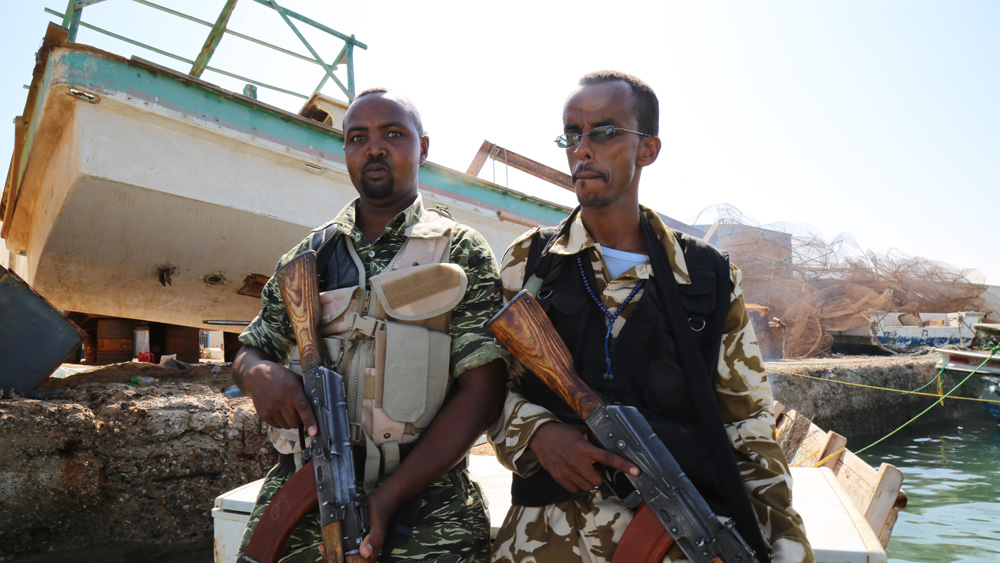
Somali Pirates Return as Illegal, Unregulated, and Unreported Fishing Continues in the Gulf of Aden
›After pirates hijacked an Iranian fishing vessel last year near Bosasso, a major seaport in Puntland, Somalia, local authorities observed that the offending boat was casting nets without a license. While piracy has diminished since 2008-2012, when these waters became some of the most lawless in the world, a spate of incidents in 2017-8 has made it clear that the conditions that led to piracy—including incursions from foreign fishing boats—are still a major problem.
-
A Paradigm for Peace: Celebrating “Environmental Peacemaking”
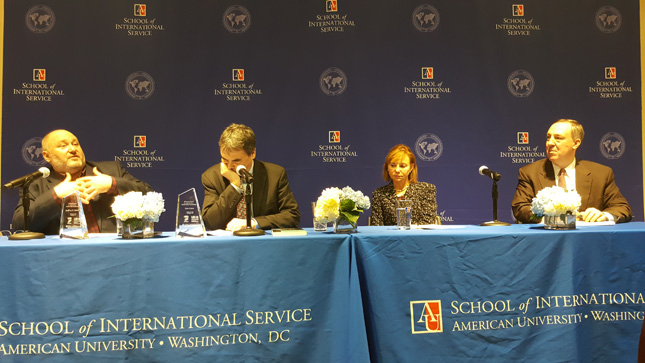
›March 20, 2018 // By Wilson Center Staff“Most fundamentally, we turned the ‘resource scarcity drives conflict’ argument on its head and asked, ‘Can environmental interdependence drive cooperation in ways that can be harnessed to build trust and contribute to conflict prevention and peacebuilding?’” said Geoff Dabelko, Associate Dean at Ohio University’s Voinovich School of Leadership and Public Affairs, about Environmental Peacemaking, which was one of the first books to investigate these questions. In the 15 years since he and Ken Conca, a professor at American University’s School of International Service, published their edited volume, the idea that shared environmental issues could be used to build peace has become a focus of innovative research, policy, and programs.
-
The Nuts and Bolts of a Climate-Conflict Link in East Africa
›A recent article in Nature Climate Change has spurred a new chapter in the lively scholarly debate over the potential relationship between climate change and violent conflict. We agree with the article’s authors that there are several forms of sampling bias in this field, including how regions are selected for analysis. But simply addressing this sampling bias will not resolve many of the academic controversies that have raged since the mid-2000s. Our recently published study in International Studies Review examines the mechanisms connecting climate change or its consequences to violent conflict and concludes that to move this research agenda forward, researchers must pay deeper attention to the “nuts and bolts” that shape both climate-related conflicts and our understanding of them.
-
Maternal Health Experts: Strategic Partnerships and Data Key to Strengthening Health Systems
›“We need to think differently about how we invest in our country programs, and what outcomes we are interested in,” said Dr. Koki Agarwal, director of the U.S. Agency for International Development (USAID)’s flagship Maternal and Child Survival Program (MCSP) and a Vice President with Jhpeigo, at a recent Wilson Center event.
Showing posts from category featured.
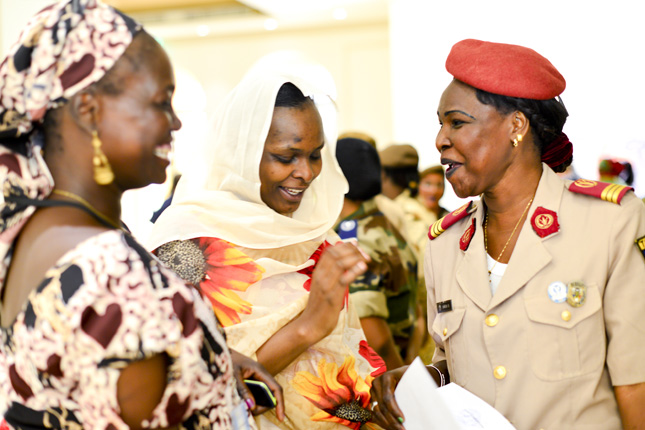

 “We need to think differently about how we invest in our country programs, and what outcomes we are interested in,” said Dr. Koki Agarwal, director of the U.S. Agency for International Development (USAID)’s flagship

