-
New UN Population Projections Released: Pockets of High Fertility Drive Overall Increase
›June 26, 2013 // By Elizabeth Leahy Madsen
October 31, 2011, was notable not only for the annual ritual of candy and costumes, but also for its designation by the United Nations as the date when global population reached seven billion. Although just an estimate – demographers are not able to count individuals in real time on such a large scale – the event was an important opportunity to present population trends to the media and public dialogue. Several babies born that day were named the “seven billionth;” in Russia, where various incentives have been implemented to try to boost an ultra-low fertility rate, Vladimir Putin visited a maternity ward to greet one of them.
-
Wilson Center Roundtable on ‘Backdraft’: The Unintended Consequences of Climate Change Response
›As President Obama readies a new road map for addressing climate change in the United States, experts warn that poorly designed and implemented initiatives, especially in already-fragile parts of the world, could unintentionally provoke conflicts, rather than diffuse them.
-
The Farmer’s Dilemma: Climate Change, Food Security, and Human Mobility
›
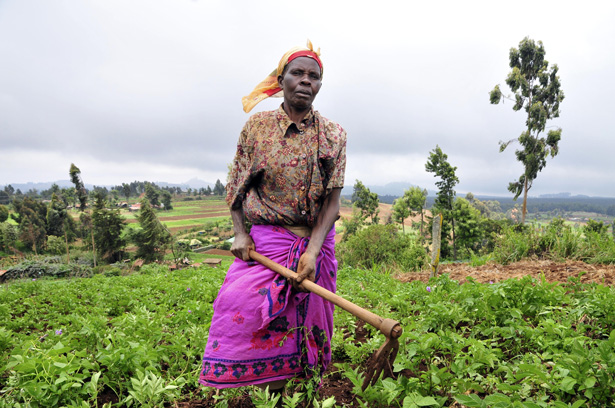
“Most of the world’s poor are farmers; they share the same profession and the same challenges,” said One Acre Fund’s Stephanie Hanson at a recent Wilson Center event on small-scale farming, climate change, food security, and migration. They are tasked with growing enough food to support their families with only tenuous access to land and natural resources, the most basic of tools, and increasingly unpredictable weather patterns to deal with. [Video Below]
-
From Dakar to Abidjan, Population Finally Finding Its Place in Food Security Assessments
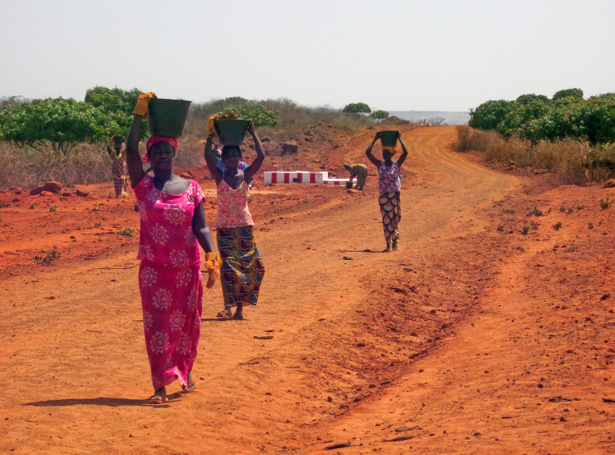
›June 20, 2013 // By Kathleen MogelgaardA woman sat crouched on the side of a busy road in Dakar, a baby in a sling on her back and a basket of peanuts in front. I know only a little French, and no Wolof, but I decided to try anyway. “Bonsoir,” I said, and smiled at the toddler beside her. “Combien?” I asked, pointing at the peanuts.
She smiled back at me, we negotiated a sale, and in exchange for the coins in my pocket I walked away with a few bags of the small, tasty nuts that are grown throughout the “peanut basin” of central Senegal.
-
Can Mexico Harness Its Demographic Dividend?
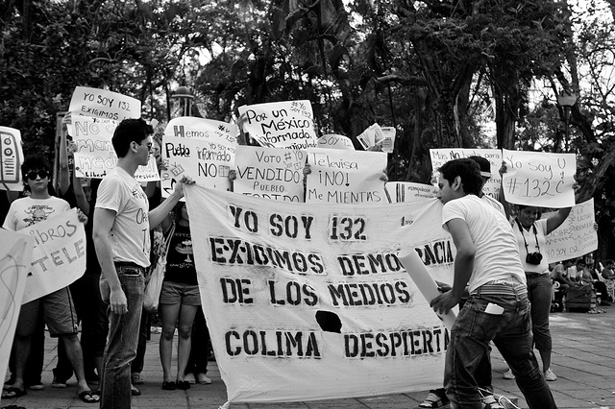
›Mexico’s 2012 elections were important for a host of reasons: the PRI party returned to power after 12 years of rule by the more conservative PAN; there was the first female presidential candidate from a major political party; and turn-out was historically high. They also proved that Mexico’s young people are not as apathetic as some may have thought, with the emergence of the #YoSoy132 student movement demanding fair press coverage.
-
What’s Worth Saving? Maoists, Forests, and Development in India’s Western Ghats
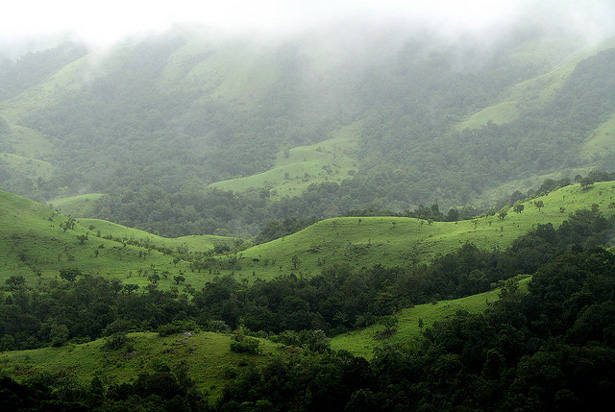
›Arrayed along India’s southwest coast is a 1,600-kilometer-long mountain chain with forests older than the Himalayas: the Western Ghats. The mountains are one of the top biodiversity hotspots in the world, and UNESCO recently recognized the region as a World Heritage site. They’re also one of the tensest of India’s emerging battlegrounds between development and conservation and a potential recruiting ground for its Maoist insurgency, called the country’s “greatest threat to internal security.”
-
‘At the Desert’s Edge’ Gives a Glimpse of China’s Massive Desertification Challenge
›In may not be surprising that China, home to so many other superlatives, also faces desertification on a grand scale. According to China’s State Forestry Administration, over 27 percent of the country now suffers from desertification – more than 1,000,000 square miles, or about one-third of the continental United States – impacting the lives of more than 400 million people.
-
Lisa Dabek on How Papua New Guinea’s Tree Kangaroo Conservation Project Does More Than Conserve
›“All through Papua New Guinea, in every province, there is logging and mining, but we are the first conservation area,” says Lisa Dabek in this week’s podcast.
Dabek is the director of the Tree Kangaroo Conservation Project (TKCP), an effort of the Seattle Woodland Park Zoo that works to protect tree kangaroos while empowering communities in Papua New Guinea’s YUS Conservation Area to manage their natural resources, health care, and food security.
Showing posts from category featured.