-
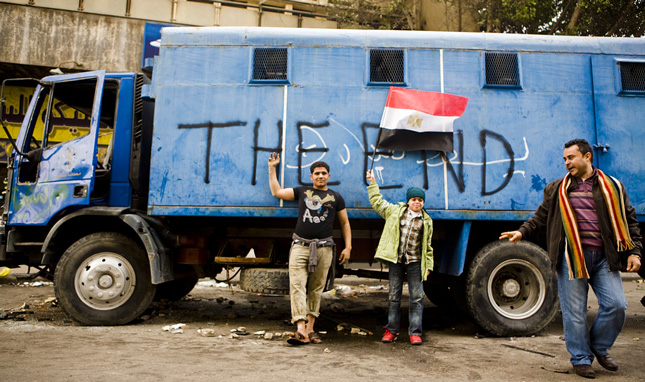
In Food Riots, Researchers Find a Divide Between Democracies and Autocracies
›
Though the bull market for metals and energy may be ending, global food prices remain stubbornly high. The inflation-adjusted FAO Food Price Index is down from the near historic heights of 2007-08 and 2011 but still higher than at any point in the previous 30 years, putting a brake on several decades of progress in reducing world hunger.
-
Combination of Climate Change and Youth Puts Some Countries at Risk of Fragility
›
Climate change and youthful demographics can combine to create security risks in already fragile contexts, according to a new report commissioned by UNICEF UK and co-authored by the London-based research organizations International Alert and the International Institute for Strategic Studies.
-
Emerging Priorities for Maternal Health in Nigeria: Surveying the Field
›“Nigeria’s population is only two percent of the world population, but we contribute about 10 percent of the maternal mortality,” said Oladosu Ojengbede, professor and director of the University of Ibadan’s Center for Population and Reproductive Health. [Video Below]
-
Reporters Predict Contentious Year Ahead for Environment and Energy
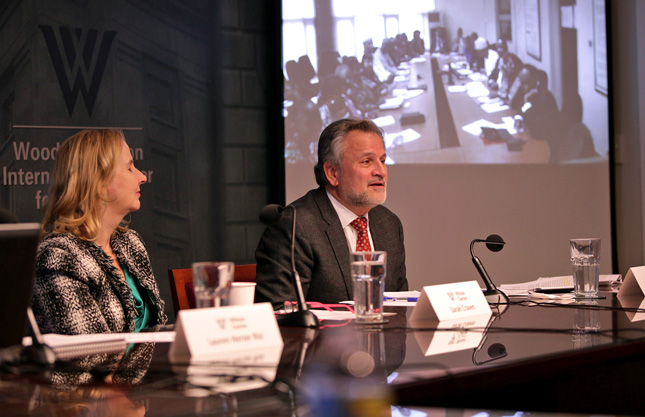
›With the Obama Administration moving forward on emissions reductions, the deadline for drafting the Sustainable Development Agenda, and a highly anticipated global climate summit in Paris, 2015 promises to be a crucial year for climate policy. “In many ways, last year was the year of building momentum, and this is the year of getting the work done,” said Lisa Friedman, deputy editor of ClimateWire, at the Wilson Center on January 5. [Video Below]
-
Conflict and Climate Change Collide in Assam as Trafficking Thrives
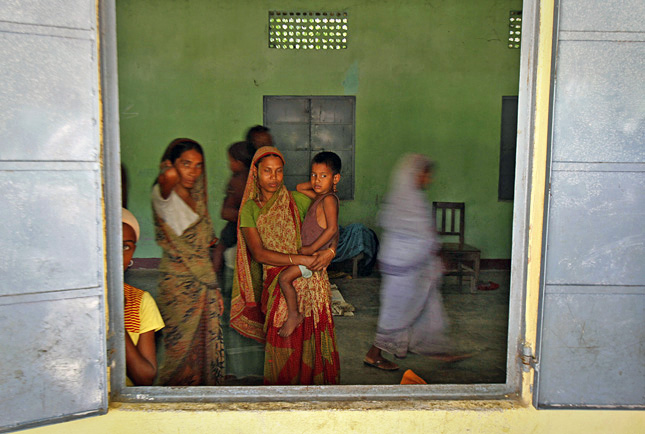
›The story of Uma Tudu captures the endless cycle of poverty, violence, and suffering faced by too many girls in the northeastern Indian state of Assam.* At 16, following floods that destroyed her village, she traveled more than 1,600 kilometers to Delhi, lured by the promise of a good job and a good life. Instead she was sold as bonded labor.
-
Re-Thinking Climate Interventions in Fragile and Conflict-Affected States: Insights From Nepal
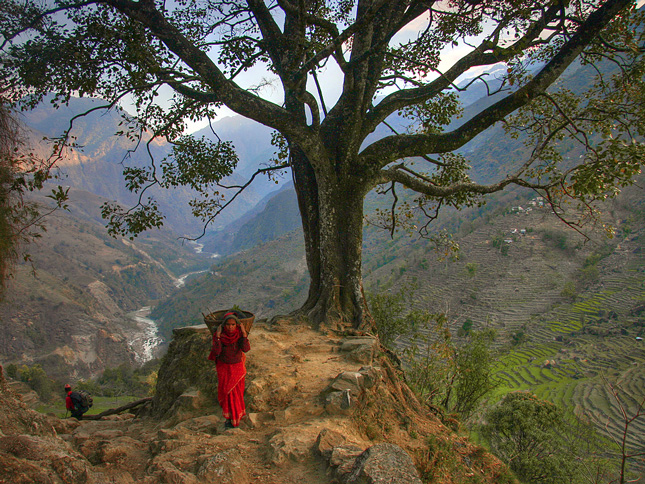
›While much of the debate around climate financing focuses on “how much,” an equally important question is “how?”
-
Youth Bulge, Exclusionary Regimes, and the Islamic State’s Big Mistake
›Last week, the Islamic State’s ignorance of the role of demography in their local success may have led them to overplay their hand. Seeking to dissuade Jordanians from following their government in actively supporting the alliance arrayed against them, they executed a captured Jordanian pilot in horrendous fashion, burning him alive. Yet Jordan is not like Syria or Iraq, where violence against westerners or Shi’a or other minorities has helped split people from their allegiance to the government. Instead, this act of violence seems to have unified Jordan’s Sunnis against the Islamic State for their actions against a fellow Sunni Muslim. Jordan has expanded its assault, striking dozens of targets in Iraq for the first time.
-
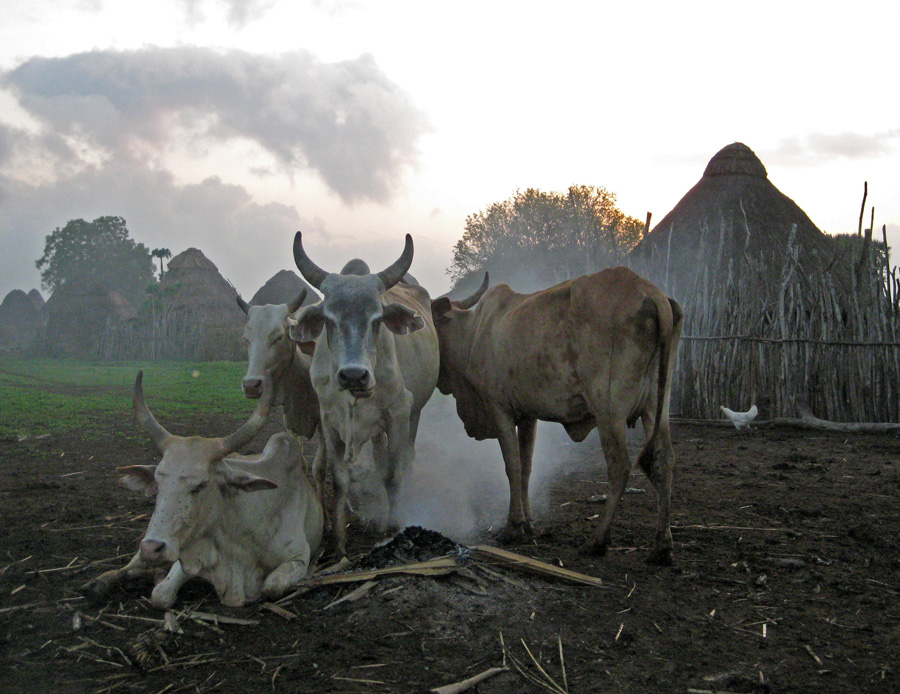
New Markets Meet Old Grievances: The Fight Over Biofuels in Kenya’s Tana River Delta
›Stepping away from herds of cattle, subsistence farms, and other responsibilities at home, roughly a hundred Kenyan villagers traveled overnight by bus from the Tana River Delta to Nairobi in February 2011 for a hearing at the national high court. The claimants declared that the lack of a “comprehensive land use master plan” infringed on the rights of the region’s people, and called for the prohibition of further land and resource development until such a plan was negotiated.
Showing posts from category featured.