-
Observing Earth: Using Satellite Data for International Development
›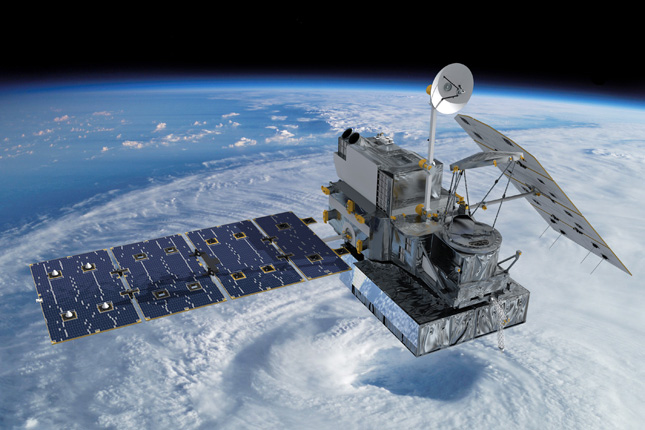
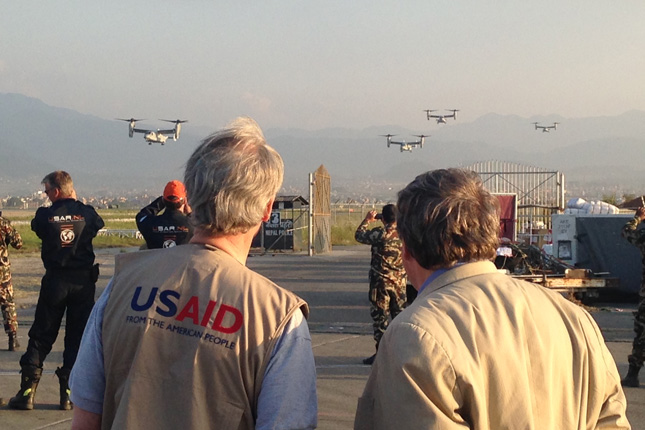
“Interest in earth observation—and in particular, the value to what we do in development internationally—has never been higher,” said Jenny Frankel-Reed, adaptation team lead at the U.S. Agency for International Development (USAID). Frankel-Reed spoke at the Wilson Center’s recent panel discussion of the earth observation data program known as SERVIR, which included insights from USAID’s soon-to-be-released evaluation of the program.
-
Building Resilience for Peace: Water, Security, and Strategic Interests in Mindanao, Philippines
›
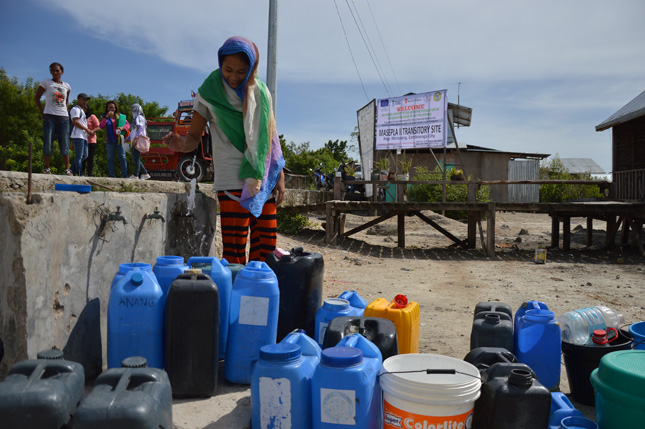
The Philippines faces a breadth of social and environmental challenges that threaten its economic and political stability. A long history of violent conflict stemming from ethnic, religious, and political tensions is further complicated by changing weather patterns that cause severe drought and damaging storms. Millions of people in Mindanao have been displaced by violence and extreme weather events, and their migration from rural areas leaves room for the expansion of terrorist groups that threaten regional stability. The United States currently has strong trade and cultural ties to the Philippines, and U.S. Pacific Command operates military facilities on the islands. This chapter examines the stakes for U.S. interests in Mindanao, and recommends a security approach that combines defense, diplomacy, and development efforts to promote improved governance, social stability, and climate resilience.
-
Global Climate Cooperation, Post-Paris: Can Subnational Agreements Pick Up the Slack?
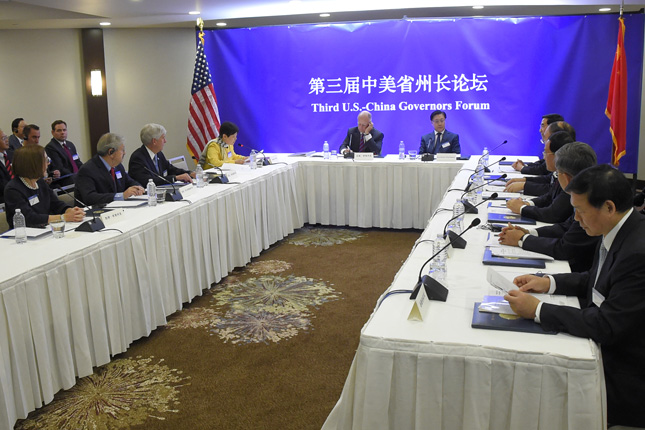
›At the G20 Summit in Hamburg early July 2017, leaders of the world’s strongest economies issued a joint statement reaffirming their commitment to the Paris Climate Accord. President Trump—the lone outsider—had announced in early June he would withdraw the United States from the agreement. As China doubles down on meeting its Paris targets, the chasm between the world’s two largest emitters and energy consumers continues to widen as previous joint efforts to curb carbon emissions fade away. Post-summit headlines focusing on the “G19” nations suggest America has abandoned international cooperation against climate change. But some U.S. cities and states are continuing the climate fight with their Chinese counterparts.
-
Security Links: An Emerging Congressional Common Ground on Climate Change?
›July 26, 2017 // By Lauren Herzer RisiEarlier this month 46 House Republicans voted with Democrats to protect an amendment in the current National Defense Authorization Act that acknowledges that “climate change is a direct threat to the national security of the United States” and requires the secretary of defense to provide “a report on the vulnerability to military installations and combatant command requirements resulting from climate change over the next 20 years.”
-
To Fight Global Water Stress, U.S. Foreign Policy Will Need New Strategic Tools
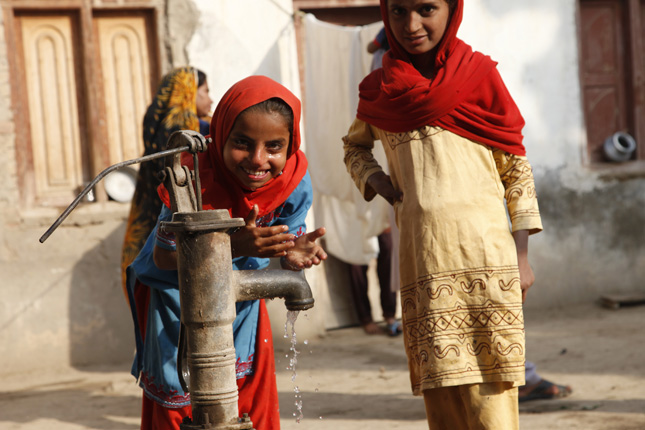
›Capable of upending rural livelihoods, compromising institutions of governance, and inducing new patterns of migration and crime, global water stress has emerged as one of the principal threats to U.S. national security, said David Reed, senior policy advisor at the World Wildlife Fund (WWF) and editor of WWF’s new book, Water, Security and U.S. Foreign Policy, on June 27 at the Wilson Center. Four defense and development leaders – retired U.S. Marine Corps General James L. Jones; Paula Dobrianksy, vice chairwoman of the National Executive Committee of the U.S. Water Partnership; retired U.S. Navy Admiral Lee Gunn, vice chairman of the CNA Military Advisory Board; and Kristalina Georgieva, chief executive of the World Bank – joined Reed for a panel discussion of water’s central role in global stability and prosperity.
-
Planning to Move: Relocating Coastal Communities in the United States
›Sea-level rise will put approximately 13 million coastal Americans at risk of displacement by 2100, but the first to move will be the most vulnerable communities. In Reaching Higher Ground: Avenues to Secure and Manage New Land for Communities Displaced by Climate Change, Wilson Center Global Fellow Maxine Burkett and her coauthors look at Native American communities on the frontlines of climate change as a model for how vulnerable coastal communities can successfully relocate. Currently, there is no central mechanism within the federal government for relocating communities displaced by climate change. Federally recognized Native American communities have historically coexisted alongside the United States government as sovereign entities, and their many avenues – legal, policy, and corporate – to acquire land could provide a starting point for addressing this imminent challenge. The authors identify tools communities can use to secure new homes and preserve their ownership of evacuated lands. -
Backdraft #8: Simon Nicholson on Climate Engineering
›When the Paris Agreement set an ambitious goal of limiting the global temperature rise to 1.5 degrees Celsius above pre-industrial levels, the negotiators put climate engineering on the table, says Simon Nicholson, professor at American University, in this week’s episode of Backdraft. Once the purview of science fiction, a majority of the models run by the Intergovernmental Panel on Climate Change (IPCC) required large-scale use of climate engineering technologies to keep additional warming below 2 degrees. -
Fire & Ice: Unlikely Cooperation Between Iceland and China
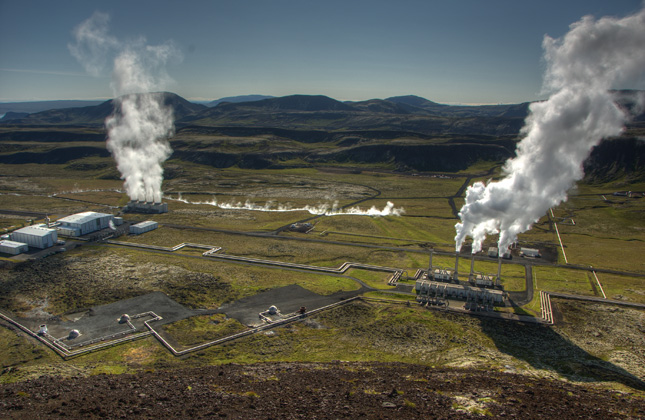
›“All of Reykjavik might be able to fit in that apartment block,” remarks Einar Magnusson, the vice president of business development for Iceland-based Arctic Green Energy Corporation (AGEC), as he drives past miles and miles of Beijing’s residential skyscrapers. Following Jiang Zemin’s visit to Iceland in 2002 – the first-ever by a Chinese President – the two nations opened a new chapter in their partnership, which was originally founded upon shared strategic interests. China’s interest in cleaner energy sources has led to a fruitful area of cooperation with Iceland, where geothermal plants generate 66 percent of the country’s primary energy and provide nine in ten households with heat.
Showing posts from category environment.
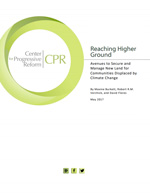 Sea-level rise will put approximately 13 million coastal Americans at risk of displacement by 2100, but the first to move will be the most vulnerable communities. In
  When the Paris Agreement set an ambitious goal of limiting the global temperature rise to 1.5 degrees Celsius above pre-industrial levels, the negotiators put climate engineering on the table, says Simon Nicholson, professor at American University, in this week’s episode of Backdraft. Once the purview of science fiction, a majority of the models run by the Intergovernmental Panel on Climate Change (IPCC) required large-scale use of climate engineering technologies to keep additional warming below 2 degrees.