-
The Big Picture: Measuring Efforts to Build Resilience
›
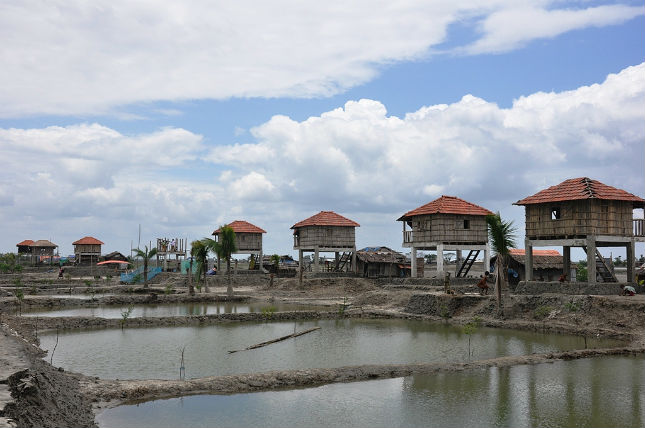
“Resilience isn’t an outcome,” said USAID Resilience Coordinator Greg Collins at a recent Wilson Center event on measuring resilience; it is “the ability to manage adversity and change without compromising future well-being.” The wide array of individual factors that contribute to building resilience—ranging from livestock insurance and microsavings, to risk tolerance and women’s decision-making—can be challenging to measure individually, let alone in concert. But this assessment is essential for designing and implementing successful development projects: “We have to be able to answer the question: Is this building resilience, yes or no?” said Cornell University’s Chris Barrett.
-
Ripple Effects: Sharing Water and Building Peace in the Jordan River Valley
›
In the war-torn Jordan River Valley, we can meet the “strategic objective of reducing conflict by promoting cooperation on shared waters,” said former defense official Sherri Goodman at a recent Wilson Center event on environmental peacebuilding. Even in the midst of political disputes, Jordanians, Israelis, and Palestinians must work together to manage the scarce supplies of clean water to protect their health, their economies, and their security.
-
“Journalists Need to Do More to Cover Wildlife and Environmental Crime”
›For the past few years, much of my work as a journalist has focused on wildlife and environmental crime. I’ve covered poaching busts and seizures of everything from pangolin scales and big-cat skins to rhino horn, live turtles and songbirds. I’ve reported on the Asian, African and South American markets that sell animals live, dead and in parts, and about the consumers that drive this black-market trade. I’ve written about China, the largest consumer, where many endangered species products are luxury items bought by the wealthiest and most influential as a way to flaunt power and gain prestige. I’ve also explored the trade here in the United States — the world’s second largest consumer. I covered the ubiquitous bird trade in Latin America, where ownership of pet parrots and other birds is so rampant that few realize these animals are endangered, or that it’s against the law to buy or keep them.
-
Sustainable Water, Resilient Communities: The Problem of Too Much Water
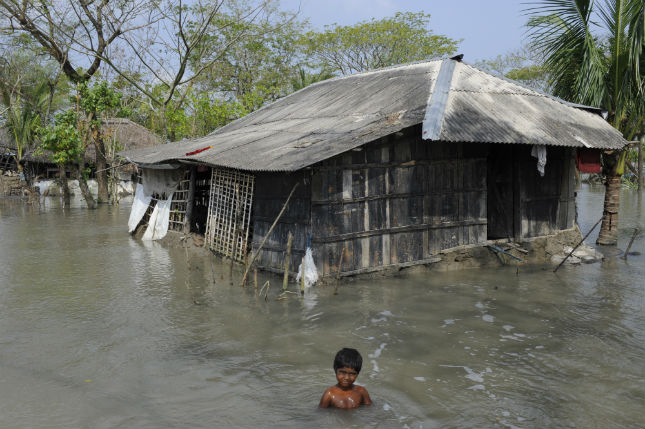
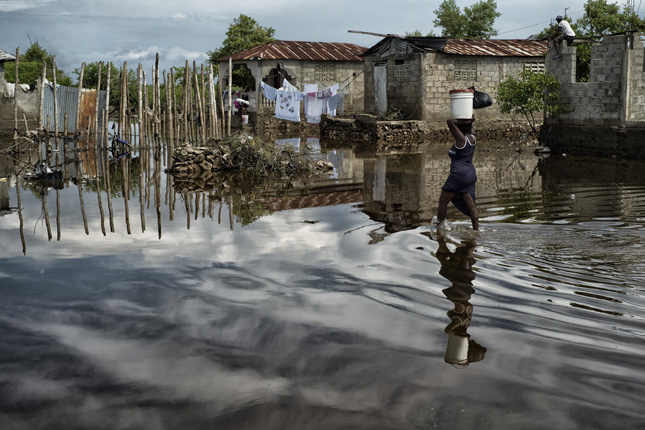
›From the Wilson Center // Water Security for a Resilient World // December 12, 2017 // By Julianne Liebenguth“Floods are one of many factors that keep massive amounts of the population in poverty and always on the brink of disaster,” said Eric Viala at the second event in a four-part series on water security organized by the Wilson Center in cooperation with the Sustainable Water Partnership, which Viala directs. Panelists at the event discussed the impact of intense flooding on vulnerable communities and proposed innovative and collaborative approaches to reducing their risks in the face of disasters.
-
Resigned Activism: Rural China’s Quiet Environmentalism
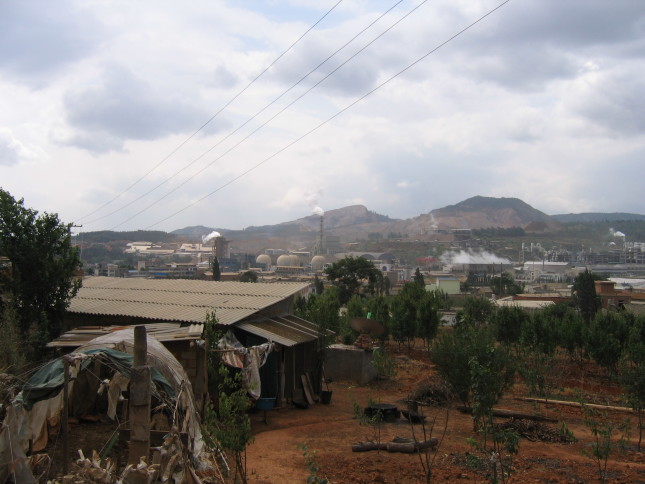
›While conducting ethnographic fieldwork in Yunnan province in 2009, I discovered a new vegetable: the cabbage-turned-turnip. Villagers in Baocun explained that after the town’s fertilizer plants began extracting and processing phosphorous, their cabbages began to grow very long roots, resembling turnips, as they adapted to the new polluted environment.
-
“Let’s Start From Here”: Local Solutions for Loss and Damage and Livelihood Resilience
›Without warning, water rushed into a woman’s home on a raised platform above the floodplain of Bangladesh’s Teesta River. She was just a hand’s distance from her infant son, but she couldn’t stop him from falling into the floodwaters. “She can’t recover back from the trauma,” said the University of Dundee’s Nandan Mukerjee of the mother who lost her child to the currents of climate change.
-
Playing Energy Politics: The Risks of Securitizing Natural Gas Markets in Europe
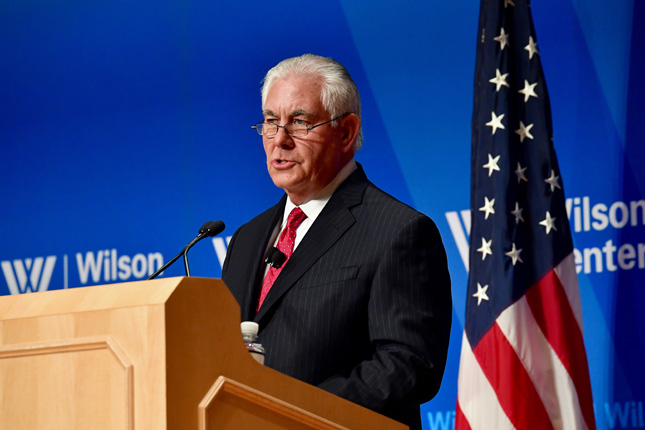
›Russia is “playing politics with energy supplies,” said U.S. Secretary of State Rex Tillerson at a major policy speech at the Wilson Center this week. He accused Russia of wielding natural gas “as a political weapon” and said that ensuring European energy security was “fundamental” to U.S. national security objectives. In Europe, the debate is raging over how best to achieve energy security in the face of the twin challenges of Russian dominance and the need to decarbonize the economy. The ongoing securitization of Russian natural gas could not only complicate the road to a low carbon future in Europe, it could also undermine a European integration project that has mostly been a success.
-
Bike-sharing Data and Cities: Lessons From China’s Experience
›The first U.S. city to host a docked bike-share system, Washington, D.C., is now home to a rapidly growing influx of dockless bikes, with five companies vying for the market. The docked system still accounts for 87 percent of the shared bikes in the United States, but the number of dockless bikes—which can be located by riders using an app and then left anywhere—is growing rapidly. The data from these location-enabled bikes provide a unique opportunity to measure the point-to-point transportation needs of millions of people in some of the world’s densest cities.
Showing posts from category environment.