-
Assessing and Managing Risk along the Mississippi River Corridor
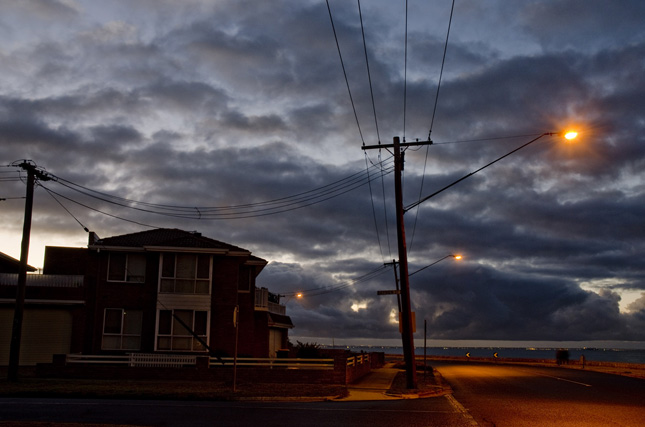
›From the Wilson Center // Urban Sustainability Laboratory // March 14, 2018 // By Wilson Center StaffThe Mississippi River Valley has been hit by droughts, floods, extreme heat, and tornadoes that resulted in damages totaling over $50 billion since 2011. From 2005 to 2017, that total eclipses $200 billion with each effected state incurring a minimum $5 billion in damages. One positive result in reaction to those natural disasters was the formation of the Mississippi River Cities & Towns Initiative (MRCTI), a coalition of mayors focused on resilience and adaptation programs. Last week, mayors of the ten states along the river met with leaders from the global and North American insurance industry to discuss reducing vulnerabilities and building resilience in the face of climate-related disasters.
-
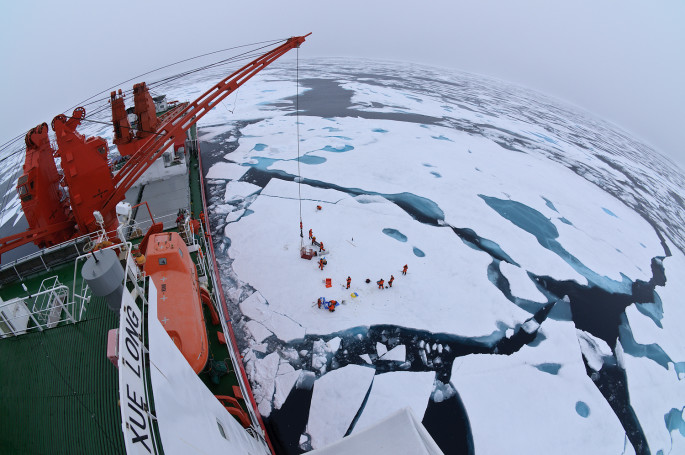
China Has Arrived in the Arctic: Q&A With Sherri Goodman
›
To further its goals to strengthen the global economy, China has already invested $300 billion of its pledged $1 trillion towards its Belt and Road Initiative—a massive infrastructure investment plan that spans 60 countries across Southeast Asia, Central Asia, Africa, South Asia, the Middle East, and Eastern Europe. China’s initiative will shift the world’s political, environmental, and economic landscape.
-
From Communities to Landscapes: Multi-Scale Approaches to Climate Adaptation in Nepal
›
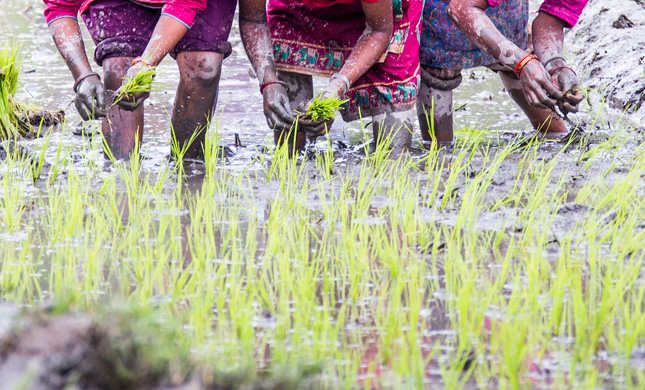
“Some people are more vulnerable than others” to climate change, said Judy Oglethorpe, senior director of Multilateral Program Development of the World Wildlife Fund-US (WWF) at a recent event on climate change, biodiversity, and livelihoods. Oglethorpe is the chief of party for the Hariyo Ban (Green Forests) Program, which seeks to increase ecological and community resilience to climate change in two biodiverse landscapes in Nepal. Taking a “multi-scale approach let[s] us focus on the most vulnerable people,” said Oglethorpe, and “work at different scales and across different disciplines…to reduce people’s vulnerability.”
-
The Sophomore Curse: Sampling Bias and the Future of Climate-Conflict Research
›Recently, Nature Climate Change published a new study demonstrating significant sampling bias in the research that informs our understanding of whether climate change will accelerate human conflict. I was a peer reviewer of “Sampling bias in climate–conflict research,” and I wrote an accompanying “News and Views” piece summarizing it. I am fascinated by the issue of sampling bias; it’s perhaps the most consequential and least recognized form of bias in the social sciences, with potentially massive consequences for what we (think we) know about a host of phenomenon.
-
Managing Sludge Mountains: What Beijing Can Learn From Brazil
›Just days before the 2016 Summer Olympics began in Rio de Janeiro, the Brazilian city faced an unsavory problem: how to handle its overwhelming sewage. Nearly half of Rio’s municipal wastewater flowed untreated into Guanabara Bay, where the waters were so polluted by sludge that direct contact was deemed a health hazard to Olympic athletes.
-
Women on the Front Lines of Change: Empowerment in the Face of Climate and Displacement
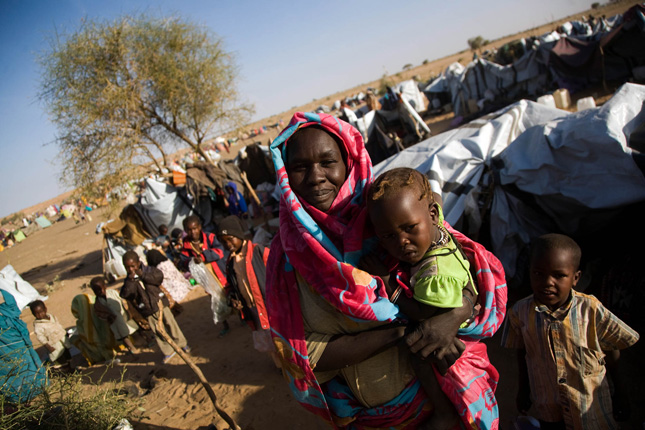
›With a swiftly changing climate comes rapidly rising sea levels, more frequent storms, and rising inequality. Slow yet consistent events like sea-level rise, as well as extreme events like hurricanes and other climate disasters, can force women and families from their homes. As the climate continues to change, adaptation will become more difficult, spurring some to leave home in search of safer ground. In the face of climate-induced instability, women are not just on the frontline of impacts, but also at the forefront of solutions.
-
Environmental Cooperation Can Facilitate Peace Between States
›Environmental stress and climate change can accelerate instability and conflict—but shared environmental problems can also be a source of cooperation and facilitate peacemaking between states. Transnational environmental problems are common threats and often cross national boundaries, requiring international cooperation to address. In turn, this cooperation can provide a good entry point for building trust and cooperation.
-
The Role of Water Stress in Instability and Conflict
›“The demand for water will not be linear,” said Vice Admiral Lee Gunn (USN-Ret,), currently vice chairman of the CNA Military Advisory Board, at a recent Wilson Center event on water and security. As people’s quality of life improves, “the demand for water will increase as well. And so the stresses that we already see around the world—the arguments over basin rights for water, the depletion of water in major cities around the world—we think will aggravate problems that already are beginning to manifest themselves,” he said.
Showing posts from category environment.