-
Protecting Brazil’s Forests Could Boost Economic Development
›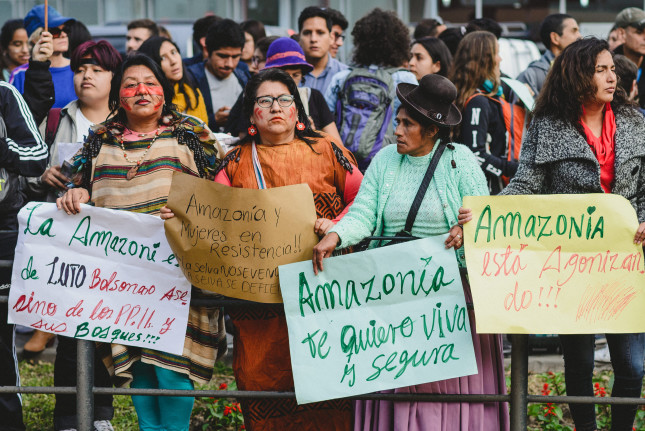
The dry season returned to Brazil’s Amazon region in late July—and with it, forest fires, largely human-made. After making substantial progress in reducing deforestation in the 2000s and early 2010s, Brazil has reversed course and deforestation is rising. In the Amazon, this season has been the worst in more than a decade in number of fires, and second worst in terms of total deforestation, according to satellite data from Brazil’s National Institute of Space Research (INPE), which monitors the situation.
-
The Top 5 Posts of August 2020
›
As Beijing prepares to host the 2022 Winter Olympics, China’s environmental activities are once again on center stage. The Wilson Center’s China Environment Forum took the top spot this month with Karen Mancl and Richard Liu’s coverage of the new program report, “Closing the Loop on China’s Water Pollution,” which details what China can learn from New York, Washington, D.C., and Singapore, to advance its wastewater and carbon reduction targets.
-
Where the Oil Runs Deep, Water Turns Foul
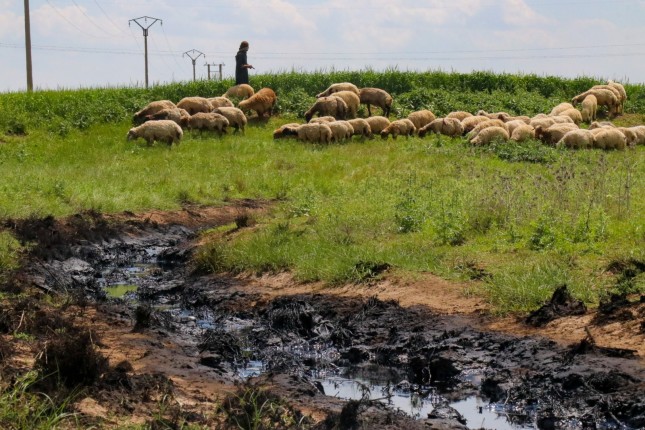
›When Farhad Ahma returned to his native country last year on a work trip, his first thought was of his small daughter back home. The air around him was so thick with pollution, he couldn’t imagine she would survive the climate in this region of northeastern Syria. Ahma himself struggled to breathe almost as soon as he arrived, nauseated by the heavy smell within a couple hours. He was born and raised nearby, in a city called Qamishli, but he had lived in Berlin for some time now. Returning was a shock to his system.
-
Is a Green Recovery Possible for Post-COVID Cash-Strapped and Flooded Wuhan?
›Some older Wuhan residents still talk about paddling across the city in their boats, traversing the 100-plus lakes that were once connected by a network of canals. This once-leisurely activity takes on different meaning today as citizens navigate some of the worst floods in decades. Hubei Province, where Wuhan is the capital, is among the 27 central and southern Chinese provinces affected by floods that have caused CNY 86 billion (USD $12.3 billion) in nationwide economic losses in June and July of this year.
-
How Biodiversity Conservation Promotes Economic Growth in Latin America
›What happens to economic output if we expand protected areas to 30 percent of land and sea worldwide? Anthony Waldron, the lead author of a new study about the economic benefits of land conservation, posed this question at a recent Wilson Center virtual event on the role of Latin America in global biodiversity conservation.
-
To Understand How Disasters Relate to Conflict and Peace, Reframe the Starting Point
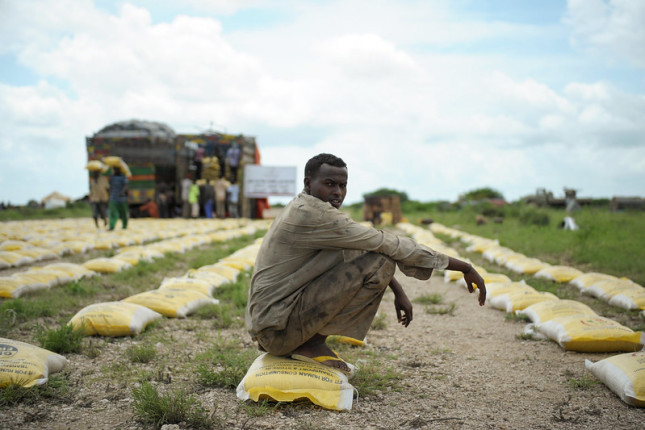
›Is the world doomed to be ever-more tumultuous? For years, headlines have suggested that climate change causes or acts as a threat multiplier for violent conflicts. For example, climate change-influenced drought has been labeled a cause of the Syrian conflict and the war in Darfur. Natural hazard-related disasters (“disasters”) like earthquakes that are not related to climate change have also been connected to an increased risk of violent social conflict and political instability. The narratives are often that disasters displace people who then put pressure on already-strained resources and infrastructure in receiving areas, and that disaster-stricken people fight over limited resources in their struggle for survival.
-
China’s Post-Pandemic Water Woes
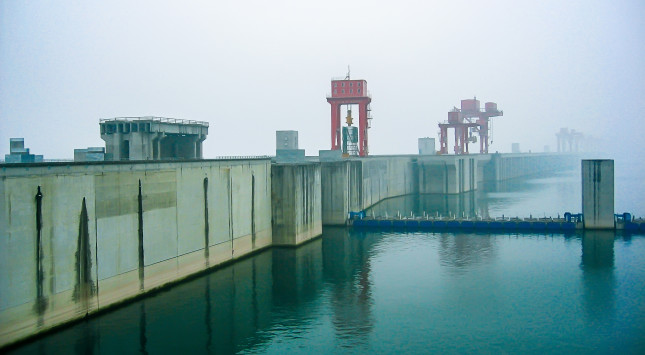
›Few places have suffered more from the COVID-19 pandemic than southern China, the region where the novel coronavirus was first detected in the city of Wuhan. But it turned out that the pandemic is not the only calamity to befall south China this year. The region has been inundated by heavy rainfall since late May, creating a risk of catastrophic flooding. While southern China typically sees heavy rainfall in the summer months, state media reported that this year’s precipitation has been roughly 20 percent higher than normal. Other outlets report that flooding has affected over 30 million people across dozens of provinces and resulted in over 120 deaths.
-
Divesting Won’t be Enough to Achieve Climate Justice
›A quiet disruption to the established financial order is underway: Around the world, institutions are pulling their investments out of fossil fuels. Climate activists campaigning for divestment suggest that such economic rearrangements might keep oil, gas, and coal in the ground, curbing carbon emissions. In parallel, some high-profile advocates call for reinvestment in renewable energy. But can the financial sector really drive the structural changes needed to address climate change—and, more fundamentally, climate justice?
Showing posts from category environment.