-
Delaying the Inevitable? The Uncertain Future of the EPA’s Online Archive
›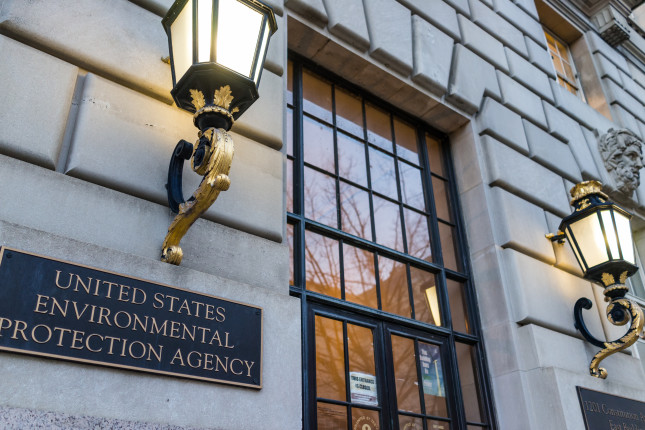
In February 2022, the Environmental Protection Agency (EPA) announced its plans to shutter its online archive—a key resource on the work of the agency that is relied upon by researchers, legislators, policymakers, and citizens for work on everything “from historical research to democratic oversight.” Pulling the plug would instantly have made public access to a vast array of fact sheets, environmental reports, policy changes, and regulatory actions significantly more difficult.
-
The Promise of Transatlantic Partnerships in the Critical Mineral Supply Chain
›
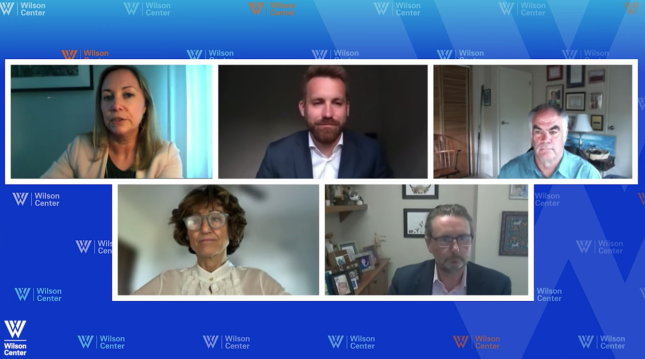
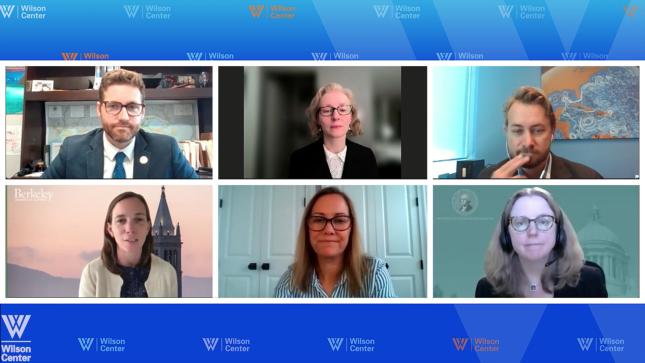
Supply chain considerations in today’s globalized economy have expanded beyond minimizing costs. As Duncan Wood, Vice President for Strategy and New Initiatives and Senior Advisor to the Mexico Institute at the Wilson Center, noted at a recent panel hosted by the Environmental Change & Security Program as part of the Transatlantic Climate Bridge conference, issues ranging from environmental, social, and corporate governance (ESG) to national security and geopolitics, have transformed critical mineral supply chains into something that is now “inherently political.”
-
Water Diplomacy can Learn from Realist Ideas
›Guest Contributor // Water Security for a Resilient World // July 19, 2022 // By Sumit Vij, Jeroen Warner, Mark Zeitoun & Christian BréthautAs Russia’s war in Ukraine continues and nations are returning to behaviors best explained by realism, we are wrestling with these trends’ longer-term implications on water diplomacy. States are becoming inward-looking and prioritizing national sovereignty. Debates about water and climate are resurfacing, and we should better understand how hard power and inward-looking approaches can impact water diplomacy and cooperation. To inform policymakers about power sensitivities and power games played in diplomacy, water diplomats must rethink the future of water security and peace. They should reexamine leadership styles, cultural sensitivities, and knowledge exchange from the lens of realism.
-
Top 5 Posts for June 2022
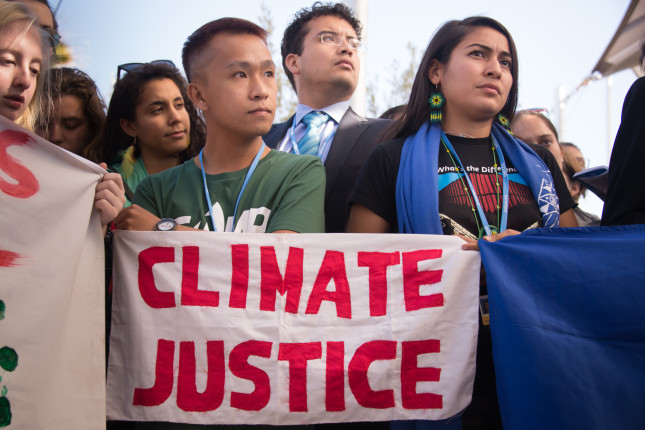
›From climate change to COVID-19 and the war in Ukraine, the world is a landscape of increasing instability. Book-ending the Top 5 posts of June are two articles that explore different aspects of these converging risks. In the top post for June, Steven Gale and Mat Burrows write that globally, younger generations are becoming increasingly disengaged and discontent with their democratic governments, civil society, and institutions. Youth disillusionment is not a result of ignorance to current affairs, but rather a lack of faith in democratic institutions to address today’s most pressing global issues. Tackling youth disillusionment, suggest Gale and Burrows, begins with examining youth engagement trends and placing it at the top of the agenda.
-
What’s in a Name? Making the Case for the Sahel Conflict as “Eco-violence”
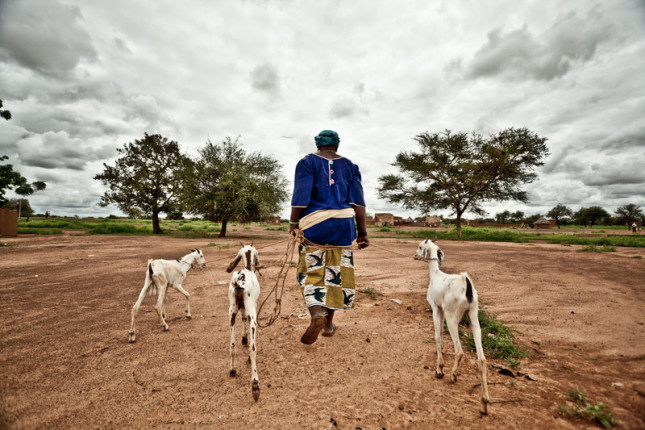
›The Sahel region of Africa is a semi-arid, arc-shaped landmass that stretches 3,860 kilometres from Senegal across portions of Mali, Burkina Faso, Niger, Nigeria, Chad, and even Sudan. It is also the most neglected and conflict-ridden part of the planet, according to the Norwegian Refugee Council.
-
Tackling Scarcity and Building Security: A Response to IUU Fishing
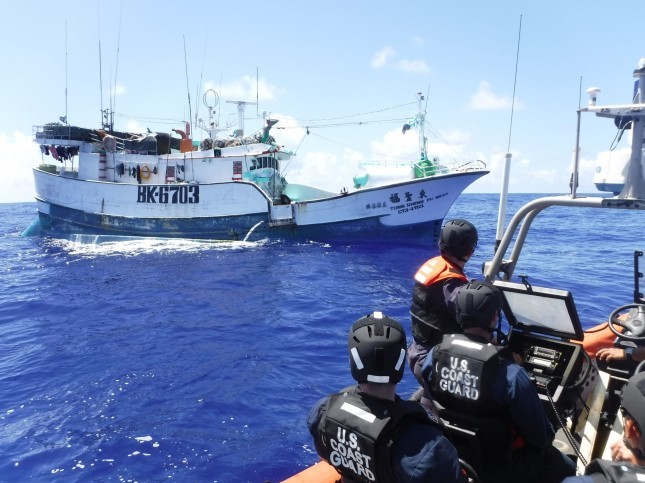
›Last month, as global leaders met in Lisbon for the UN Oceans Conference, President Biden signed a National Security Memorandum to address the challenge of illegal, unreported and unregulated (IUU) fishing. This event is a promising sign that the U.S. and other governments are accelerating the response to the threat that IUU fishing poses—not just to the environment, the economy and human rights, but also to global peace and security.
-
Responsible Research Won’t Be Enough to Control Solar Geoengineering
›As climate change worsens, the once-unimaginable power to use technology to cool the planet—a method known as “solar geoengineering”—has quietly entered the realm of possibility. Yet the prospect of developing such planet-altering technologies has launched an intense debate: Can this be achieved responsibly? Should it be attempted at all?
-
Green Politics Is Local
›In April 2021, the Biden administration announced a new greenhouse gas emissions reduction target for the United States. In the accompanying “nationally determined contribution” submitted to the United Nations Framework Convention on Climate Change, the administration highlighted the interplay between national and subnational policy in driving climate progress. The document promised that federal action will “[build] upon and [benefit] from a long history of leadership on climate ambition and innovation from state, local, and tribal governments.”
Showing posts from category environment.