• woodrow wilson center
  • ecsp

New Security Beat

Subscribe:
  • rss
  • mail-to
  • Who We Are
  • Topics
    • Population
    • Environment
    • Security
    • Health
    • Development
  • Columns
    • China Environment Forum
    • Choke Point
    • Dot-Mom
    • Friday Podcasts
    • Navigating the Poles
    • Reading Radar
  • Multimedia
    • Water Stories (Podcast Series)
    • Backdraft (Podcast Series)
    • Tracking the Energy Titans (Interactive)
  • Films
    • Water, Conflict, and Peacebuilding (Animated Short)
    • Paving the Way (Ethiopia)
    • Broken Landscape (India)
    • Scaling the Mountain (Nepal)
    • Healthy People, Healthy Environment (Tanzania)
  • Publications
  • Events
  • Contact Us

NewSecurityBeat

The blog of the Wilson Center's Environmental Change and Security Program
Showing posts from category environment.
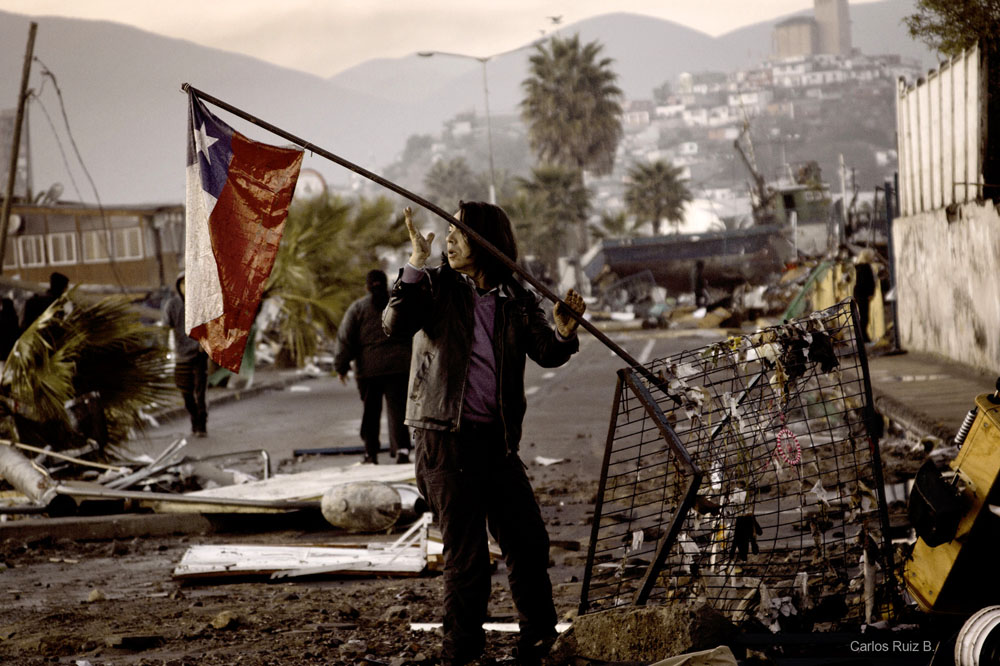
  • Harvesting Peace: Food Security, Conflict, and Cooperation

    ›
    From the Wilson Center  //  Guest Contributor  //  September 3, 2013  //  By Emmy Simmons

    ‘Harvesting Peace: Food Security, Conflict, and Cooperation’ is Issue 3 of ECSP Report 14.

    Since 2008 – a year in which rapid increases in the global prices for major grains helped to trigger outbreaks of civil unrest in more than 40 countries – scholars and policymakers have paid increased attention to the potential influence of global food prices on social and political instability. Since that time, spiking prices have periodically sparked public protests and governments have struggled to respond.

    MORE
  • DOD’s Daniel Chiu: Climate, Energy Concerns Emblematic of Future Security Challenges

    ›
    Friday Podcasts  //  August 30, 2013  //  By Jacob Glass
    daniel-chiu-podcast

    Factoring in the costs of fuel in operations, both in terms of the monetary and battlefield effect, is a relatively new development for the U.S. military. “Our view was, when we were at war, we would bear those costs,” says U.S. Deputy Assistant Secretary of Defense for Strategy Daniel Chiu in this week’s podcast. “However, as we have started to appreciate the nature of the kinds of military challenges we face, we’ve realized this is not a sustainable approach.”

    MORE
  • Coastal Resource Management, Family Planning Integration Build Resilience in Madagascar and The Gambia

    ›
    From the Wilson Center  //  August 26, 2013  //  By Jacob Glass
    Oyster Harvesters in The Gambia

    Growing awareness of the connected challenges of natural resource management, economic growth, and human health has encouraged more integrated models of international development. The experience of two organizations – TRY Oyster Women’s Association, based in The Gambia, and Blue Ventures, based in Madagascar – demonstrates the success of a community-based approach to building resilience, enabling communities to bounce back from adversity and establish a long-term basis for development. [Video Below]

    MORE
  • Codi Yeager-Kozacek, Circle of Blue

    Water a Key Issue As Developing Countries Drive Growth in Global Food Production

    ›
    August 22, 2013  //  By Wilson Center Staff
    Philippines Farming

    The original version of this article, by Codi Yeager-Kozacek, appeared on Circle of Blue.

    Developing countries will account for much of the world’s growth in agricultural production, demand, and trade during the next decade, as production growth in developed countries slows, according to reports from leading food policy organizations. The shift will pose challenges for the quality and abundance of water supplies in regions like South America, Asia, and Africa.

    MORE
  • Flooding and Food Security in Trinidad and Tobago: Roger-Mark Interviewed for ‘A Sea Change’

    ›
    August 21, 2013  //  By Schuyler Null

    “Climate change is one of the greatest challenges that we are facing in today’s world; it is particularly important for us in the Caribbean and for a country like Trinidad and Tobago,” says ECSP Director and Trinidad-native Roger-Mark De Souza in an upcoming documentary by Sustain T&T, a non-profit based in the islands.

    MORE
  • Flooding in Uttarakhand Shows Why India Needs to Take Environmental Security More Seriously

    ›
    Guest Contributor  //  August 19, 2013  //  By Dhanasree Jayaram
    Uttarkhand Flooding

    The disastrous flooding in the Himalayan state of Uttarakhand this summer, which claimed more than 6,000 lives, was the outcome of a changing climate and poorly planned development. It was also another case in point of the increasing importance of environmental security in India – especially for the military.

    MORE
  • Rear Admiral Neil Morisetti on Opportunities for Transatlantic Cooperation on Climate Change, Energy

    ›
    Friday Podcasts  //  August 16, 2013  //  By Jacob Glass
    Morisetti-Podcast

    “We’ve got real pressure on key natural resources: food, water, energy, and land,” says Rear Admiral Neil Morisetti, the U.K. Foreign and Commonwealth Office’s special representative on climate change, in this week’s podcast. “But what we haven’t got, if I can use the words of Winston Churchill, we haven’t got ‘action this day.’”

    “Morisetti spoke at the Wilson Center on June 6 for the launch of The Climate and Energy Nexus: Challenges and Opportunities for Transatlantic Security, by CNA and the Royal United Services Institute. As climate change threatens stability in some places, energy security has emerged as a key vulnerability to Western militaries’ abilities to respond to conflict and assist in disaster relief operations, says Morisetti.

    MORE
  • Photo Essay: Wuhai City Coal Complex Shows Costs of China’s Energy Demands

    ›
    China Environment Forum  //  August 14, 2013  //  By Susan Chan Shifflett
    Wuhai City Moonscape

    The black, blasted landscape of Wuhai City sometimes looks more like the moon than Inner Mongolia. But this scene is becoming all too common across much of Northern China. China’s massive coal industry is not only polluting the air and water, but also fundamentally altering the surrounding landscape and communities.

    MORE
Newer Posts   Older Posts
View full site

Join the Conversation

  • RSS
  • subscribe
  • facebook
  • G+
  • twitter
  • iTunes
  • podomatic
  • youtube
Tweets by NewSecurityBeat

Trending Stories

  • unfccclogo1
  • Pop at COP: Population and Family Planning at the UN Climate Negotiations

Featured Media

Backdraft Podcast

play Backdraft
Podcasts

More »

What You're Saying

  • Volunteers,At,The,Lagos,Food,Bank,Initiative,Outreach,To,Ikotun, Pan-African Response to COVID-19: New Forms of Environmental Peacebuilding Emerge
    Rashida Salifu: Great piece 👍🏾 Africa as a continent has suffered this unfortunate pandemic.But it has also...
  • A desert road near Kuqa An Unholy Trinity: Xinjiang’s Unhealthy Relationship With Coal, Water, and the Quest for Development
    Ismail: It is more historically accurate to refer to Xinjiang as East Turkistan.
  • shutterstock_1779654803 Leverage COVID-19 Data Collection Networks for Environmental Peacebuilding
    Carsten Pran: Thanks for reading! It will be interesting to see how society adapts to droves of new information in...

What We’re Reading

  • Rising rates of food instability in Latin America threaten women and Venezuelan migrants
  • Treetop sensors help Indonesia eavesdrop on forests to cut logging
  • 'Seat at the table': Women's land rights seen as key to climate fight
  • A Surprise in Africa: Air Pollution Falls as Economies Rise
  • Himalayan glacier disaster highlights climate change risks
More »
  • woodrow
  • ecsp
  • RSS Feed
  • YouTube
  • Twitter
  • Facebook
  • Home
  • Who We Are
  • Publications
  • Events
  • Wilson Center
  • Contact Us
  • Print Friendly Page

© Copyright 2007-2021. Environmental Change and Security Program.

Woodrow Wilson International Center for Scholars. All rights reserved.

Developed by Vico Rock Media

Environmental Change and Security Program

Woodrow Wilson International Center for Scholars

Ronald Reagan Building and International Trade Center

  • One Woodrow Wilson Plaza
  • 1300 Pennsylvania Ave., NW
  • Washington, DC 20004-3027

T 202-691-4000