-
Oakland’s Water Treatment Plant Generates Its Own Energy and Then Some
›
Although treating wastewater generally ranks alongside police and fire safety, schools, and transit as the top priorities of any sensible city hall, new ideas about cleaning up sewage almost never attract headlines or TV airtime. In its 90-year history, for instance, The New Yorker, the most urbane and expansive magazine in the country, has never published a feature article on sewage treatment.
-
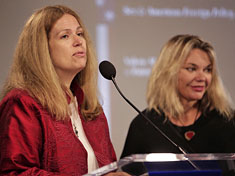
The Hillary Doctrine: Sex and American Foreign Policy (Book Launch)
›
When Valerie Hudson evaluates the strength of a nation, whether food security, wealth, peacefulness, or quality of governance, she finds one important thread that underlies it all. “One of the most important factors in the determination of these things is in fact the situation, and security, and status of women,” said Hudson at the Wilson Center on June 24. [Video Below]
-
Oakland’s Web of Waters Shapes New Economy, Civic Energy
›In March 1999, not long after he was sworn in as the 47th mayor of Oakland, Jerry Brown called Lesley Estes, the supervisor of the city’s watershed protection program. Brown, who is now California’s governor, wanted the city staffer he called “Creek Lady” to describe the most formidable ideas she had to conserve natural areas, make parks more beautiful, and clean up the city’s waters.
-
Peter Schwartzstein, National Geographic
After Spark of Hope, Iraq’s Marshes Are Again Disappearing
›July 13, 2015 // By Wilson Center StaffAs Saddam Hussein drained Iraq’s famed marshes to punish the rebellious tribesmen who lived in them, Amjad Mohamed packed his few possessions, grabbed his fishing rod, and fled south to Basra with his extended family.
-
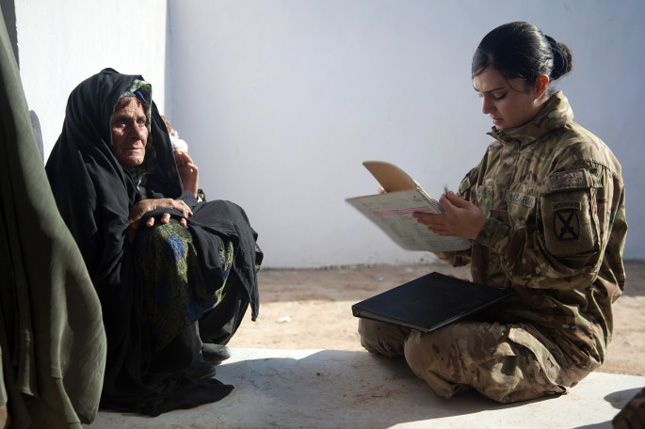
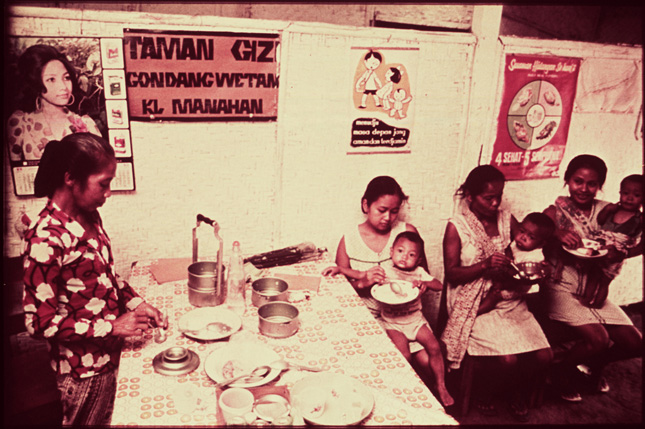
50 Years of Family Planning at USAID: Successes, Political Challenges, and Future Directions
›Since President Lyndon B. Johnson created the USAID population program in 1965, it has evolved in tandem with the global discourse on population and demography. “The agency’s family planning program is as relevant today as it ever was, and is necessary,” said Jennifer Adams, deputy assistant administrator of the U.S. Agency of International Development’s Bureau for Global Health. The bureau houses the Office of Population and Reproductive Health, which implements U.S. development and relief efforts to expand access to modern contraceptives, fight HIV/AIDS, reduce unsafe abortions, and protect the health of women and children. [Video Below]
-
Women’s Equality Not Just a Moral, But National Security Issue, Say Valerie Hudson and Patricia Leidl
›“Compare those societies that respect women and those who don’t,” says Texas A&M Professor Valerie Hudson, quoting former USAID Deputy Administrator Donald Steinberg, in this week’s podcast. “Who’s trafficking in weapons and drugs? Who’s harboring terrorists and starting pandemics? Whose problems require U.S. troops on the ground? There’s a one to one correspondence.”
-
A New Climate for Peace: Taking Action on Climate and Fragility Risks (Report Launch)
›As momentum builds towards the negotiation of the Sustainable Development Goals and UN climate change summit later this year, the G7 countries – France, Germany, Italy, Japan, Canada, the UK, and the United States – have made a strong statement about the importance of climate security risks. A New Climate for Peace: Taking Action on Climate and Fragility Risks, an independent report commissioned by G7 foreign ministers and authored by a consortium of international organizations including the Wilson Center, analyzes the security and stability risks posed by climate change and offers concrete policy options for addressing them. [Video Below]
-
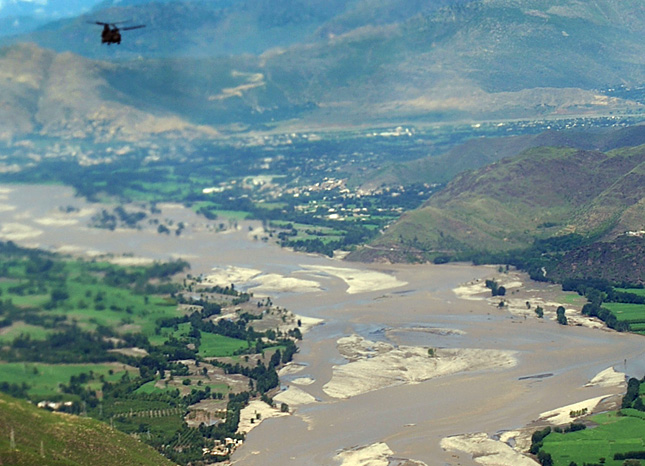
Karachi’s Heat Wave a Sign of Future Challenges to Pakistan’s Fragile Democracy
›Karachi, the world’s second largest city by population, is emerging from the grips of a deadly heatwave. A persistent low pressure system camped over the Arabian Sea stifled ocean breezes and brought temperatures in excess of 113°F (45°C) to the city of 23 million people in June. The searing heat disrupted electricity and water service, making life nearly unbearable. All told, officials estimate the heatwave killed at least 1,200 Pakistanis, more than twice as many as have died in terrorist attacks this year.
Showing posts from category development.