-
First “Nexus Dialogue” on Water, Energy, and Food Kicks Off in Nairobi
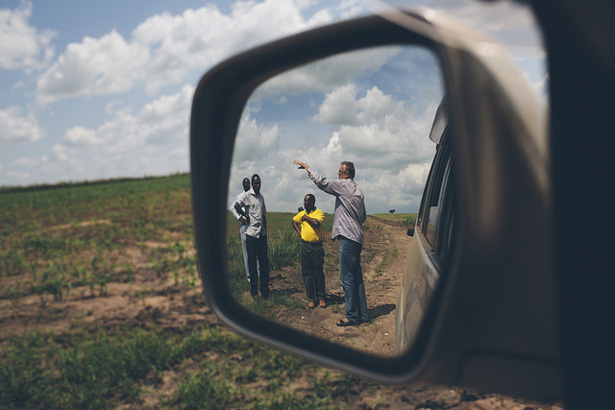
›Water, energy, and food – this “nexus” of interrelated resource issues continues to garner attention from analysts, policymakers, and the media. Over the next four decades global population is projected to increase to about 9.6 billion and, worldwide, demand for water is projected to increase 55 percent; energy, 80 percent; and food, 60 percent. In a new video about the first of a series of workshops on this nexus, the International Union for Conservation on Nature and the International Water Association explain how they are working to bring together private and public sector water infrastructure experts from across Africa and the world to build partnerships and create some consensus on a “nexus-based approach” to managing scarce resources.
-
The Great Anatolia Project: Is Water Management a Panacea or Crisis Multiplier for Turkey’s Kurds?
›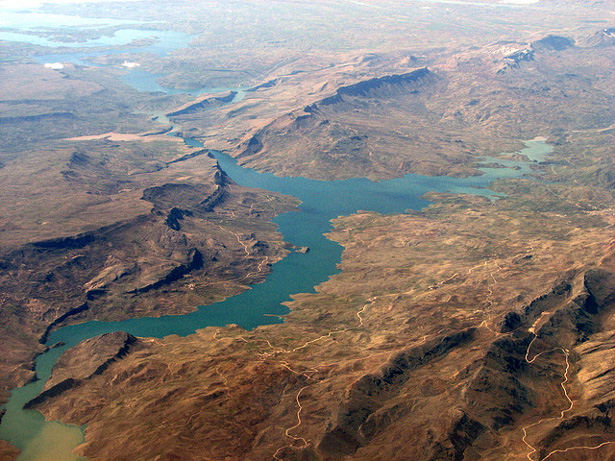
During the Gezi Park protests last month in Istanbul, Turks and Kurds dismissed historical mistrust and banded together against Prime Minister Erdogan’s growing authoritarianism. Some have suggested the newly unifying cause has strengthened momentum for a long-standing solution to Kurdish autonomy and rights in Turkey. Still it may be water that the fate of Kurdish ambitions is most tied to, rather than officials in Ankara or protestors in Istanbul.
-
Mark Montgomery: More Data on Urban-to-Urban Migration Needed
›
“If I ask you to consider the image in your mind of a migrant girl, probably you – like me – have a vision of a girl embarking from a rural village on a trek to the city,” says Mark Montgomery of the Population Council in this week’s podcast. But, “Is that what the empirical realities show?”
Perhaps not: “It is far more common for urban and migrant girls to come from other cities and towns than it is for them to come from rural villages,” he explains.
-
Faster-Than-Expected Population Growth in Many “Feed the Future” Countries
›August 1, 2013 // By Kathleen MogelgaardCambodia to grow by nearly one-third by 2050; Kenya to more than double; Mali to swell to three times its current size. These were the population projections available when Feed the Future, President Obama’s global hunger and food security initiative, was beginning implementation in 19 focus countries around the globe in 2010.
-
Natalia Machuca, USAID
New Demographic and Health Survey Shows Positive Results in Haiti
›July 30, 2013 // By Wilson Center StaffThe original version of this article, by Natalia Machuca, appeared on USAID’s Impact blog.
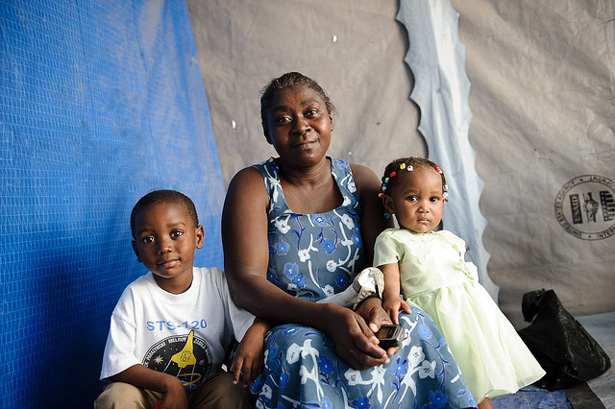
A newly released nationwide health survey of Haiti shows continuing positive trends on key health-care indicators in particular those of Haitian women and children. The latest survey, undertaken by the Haitian Ministry of Public Health and Population, was conducted in 2012 and compares with the prior survey done in 2006. It shows steady improvements among key indicators despite significant health challenges in Haiti due to the 2010 earthquake and cholera outbreak. Of note were improved indicators for child vaccination and malnutrition, infant and child mortality, women’s health, and contraception use. The report indicated no increase in HIV prevalence, which remained steady.
-
Miriam Temin: Migrant Girls, Forced or Not, Need Safety Nets
›“There’s a common myth that migrant girls are forced to move against their will, but in fact what we’ve found through our research is that most migrant girls are involved in the decision to move,” said the Population Council’s Miriam Temin in this week’s podcast.
Temin spoke at the launch of her and her colleagues’ new report, Girls on the Move: Adolescent Girls and Migration in the Developing World, about the economic incentives for girls to migrate and the risks involved for them.
-
In Afghanistan, Women’s Health May Be Marker for Taliban Resurgence [Part Two]
›Afghanistan’s youth, including more than seven million girls currently in school, are leading the call for new leadership, but many Afghans fear the chilling effect of a resurgent Taliban, said panelists at the Wilson Center during the second half of “Afghanistan Beyond the Headlines.” As the United States prepares to withdraw its forces over the next year, a halt in the country’s progress on women’s health may be the first sign of backsliding on many of the gains made over the last decade. [Video Below]
-
Afghanistan’s Youth and the Risks of Taliban Return [Part One]
›As the United States approaches its 2014 deadline for military withdrawal from Afghanistan, one often overshadowed aspect of the conflict is the hard-won progress made by previously marginalized segments of the Afghan population, particularly women, girls, and young people.[Video Below]
Showing posts from category development.