-
REPORT LAUNCH | Population Trends and the Future of US Competitiveness
›From the Wilson Center // February 5, 2024 // By Jennifer Dabbs Sciubba, Lauren Herzer Risi & Sarah B. Barnes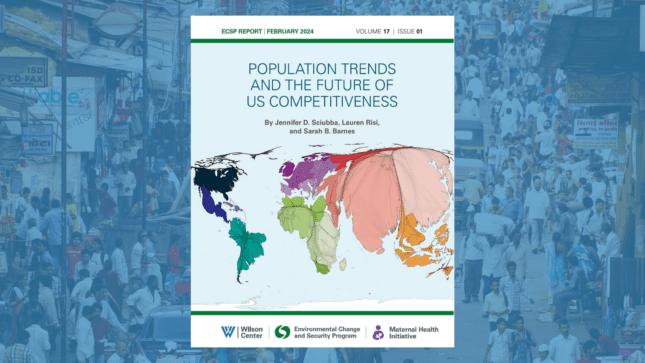
This article is adapted from “Population Trends and the Future of US Competitiveness”
Demographic issues intersect with a number of policy priorities on the congressional agenda, including the economy, immigration, health care and foreign policy, but how population trends influence policy outcomes is often overlooked or misunderstood. In a new report, we explore how population dynamics have changed dramatically over the last few decades, and what these changes mean for the economic and security interests of the United States.
-
ECSP Weekly Watch | January 29 – February 2
›
A window into what we are reading at the Wilson Center’s Environmental Change and Security Program
Climate Change Worsens Human Trafficking of Impoverished Sierra Leoneans (Al Jazeera)
Poverty leaves many vulnerable to human trafficking in Sierra Leone. Youth unemployment is almost 60% there, and most of the population lives on less than $3 per day. Victims are offered employment, largely in the service industry. Yet when they arrive in their country of employment, their passports may be seized and they are forced into unpaid labor, often coupled with sexual abuse especially for young women.
-
Climate Action on the Farm: Catalyzing a No-till Revolution in the US and China
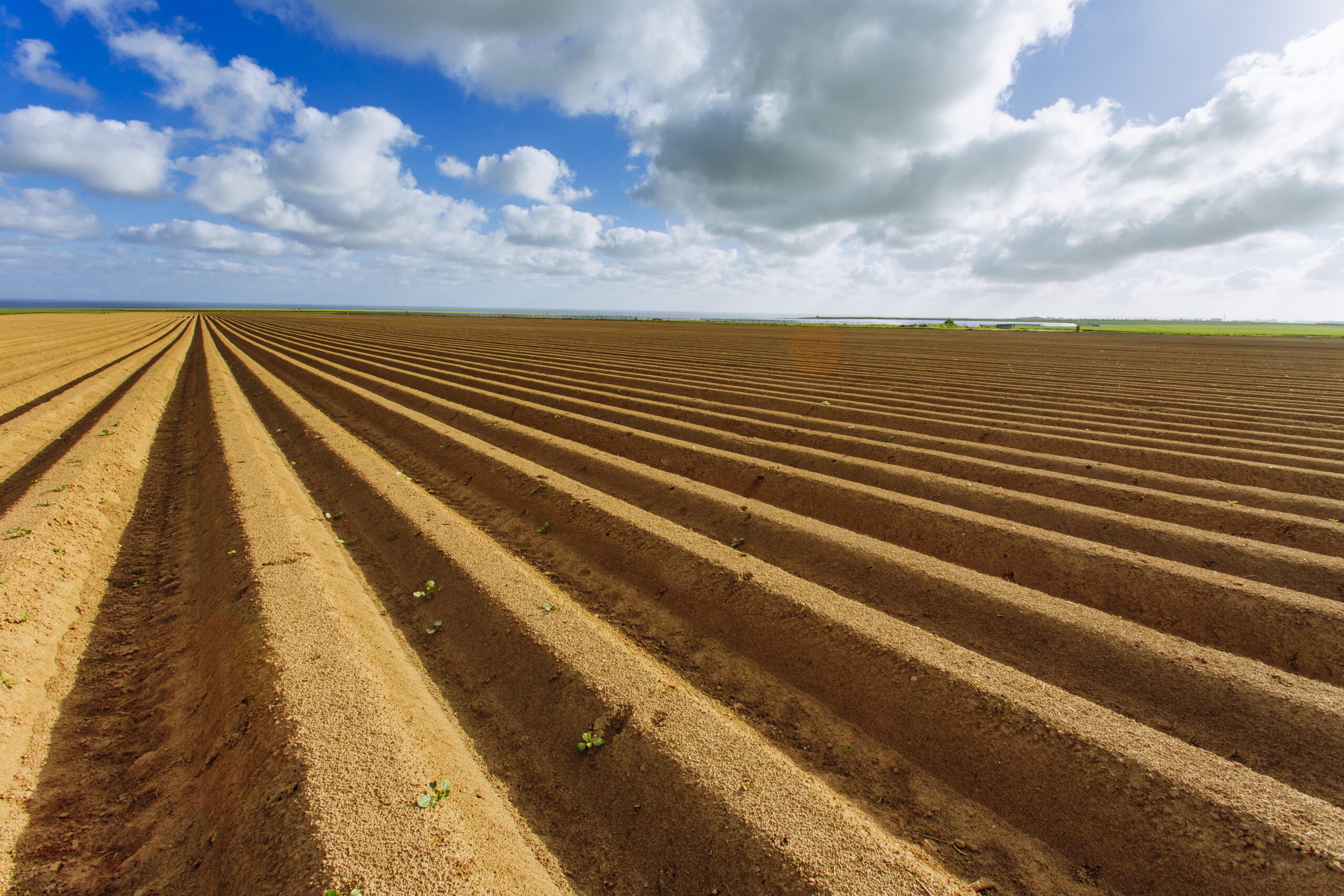
›China Environment Forum // Cool Agriculture // Guest Contributor // February 1, 2024 // By Abigail OrdillasFor centuries, farmers around the globe have tilled the soil to prepare for planting. Traditional tilling, however, exposes the bare earth to wind and water, causing erosion and the loss of soil organic carbon, as well as lowering soil quality and crop yields. In the US Corn Belt tilling has degraded approximately 35% of the land– about the size of Montana. In China, erosion from traditional tilling has degraded over 50% of agricultural soils. In the two countries soil erosion and loss of soil fertility is creating annual economic losses of $1.9 billion and $3.7 billion, respectively. Nevertheless, farmers are often hesitant to switch to no-till practices.
-
Make Room for Development Diplomats!
›Tracking signs and signals is one of the hallmarks of foresight professionals. They are always on the prowl for novel products and technologies that promise to change the world. Sustainable aviation fuel made from biomass or non-biological sources like CO2 is one innovation on their radar. The increasingly popular generative AI technology is another, especially since its proponents claim it will revolutionize early disease detection, unleash new forms of creative arts, transform engineering, and reshape architecture.
-
Before the Flood: Lessons from Attempts to Predict Displacement
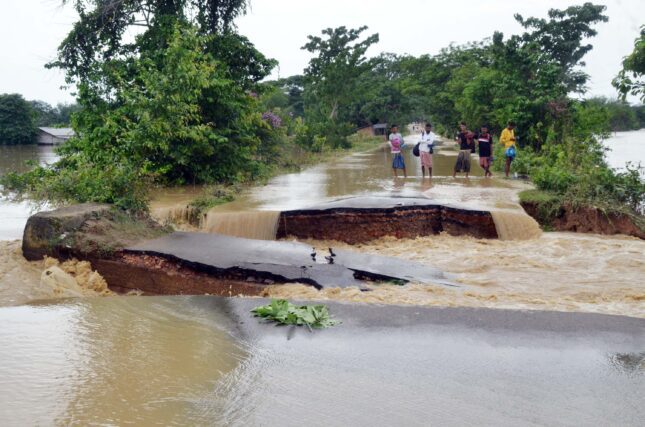
›Severe flooding is a major cause of human displacement. According to the latest annual report by the International Displacement Monitoring Centre, around 61 million people were forced to move within their country of residence during 2022 due to conflict or disasters. More than one quarter of these—19.2 million people—were displaced by floods.
-
ECSP Weekly Watch | December 18 – 22
›A window into what we are reading at the Wilson Center’s Environmental Change and Security Program
Severe Water Crisis in Gaza
As intensive coverage of the war in Gaza has waned, the severe water crisis there has only worsened. Constant bombardment is impacting water production and distribution networks, forcing children and families are using water from unsafe sources.
-
ECSP Weekly Watch | November 27 – December 1
›A window into what we are reading at the Wilson Center’s Environmental Change and Security Program
Why is COP Important?
Governments, policymakers, advocates, and observers have entered another annual UN climate conference cycle. Known as a “COP” (or “conference of parties”), these annual government-level gatherings focus on climate action, including assessments of progress toward the Paris Agreement and the creation of even more ambitious plans.
-
ECSP Weekly Watch | November 13 – 17
›A window into what we are reading at the Wilson Center’s Environmental Change and Security Program
A Fifth National Climate Assessment
The US Global Change Research Program launched the fifth National Climate Assessment (NCA) on Monday, November 13. Published once every five years, the NCA is the United States’ leading report on climate change impacts, risks, and responses.
Showing posts from category development.