-
Environmental Security Weekly Watch: May 11-15, 2026
›
A window into what we’re reading at the Stimson Center’s Environmental Security Program
AI Energy Demand Outpaces Its Climate Solutions (Eco-Business)
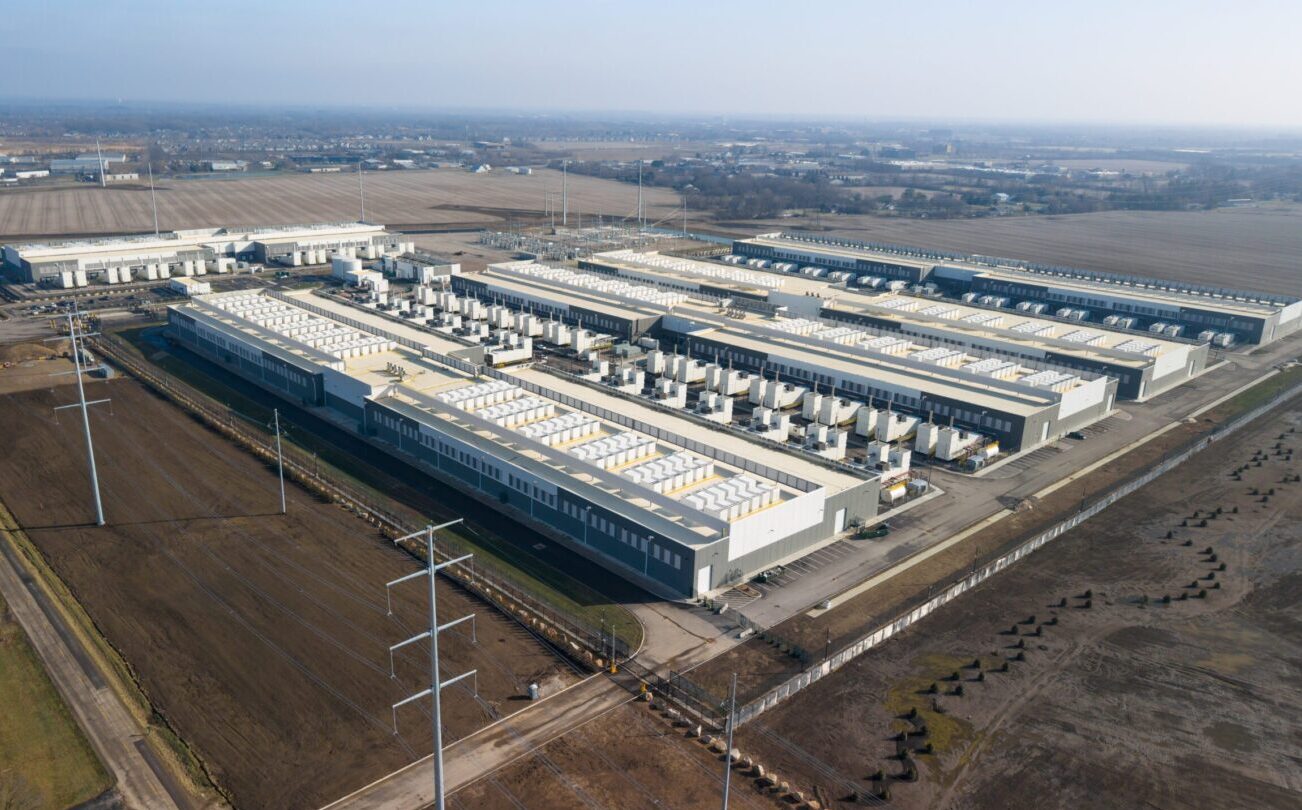
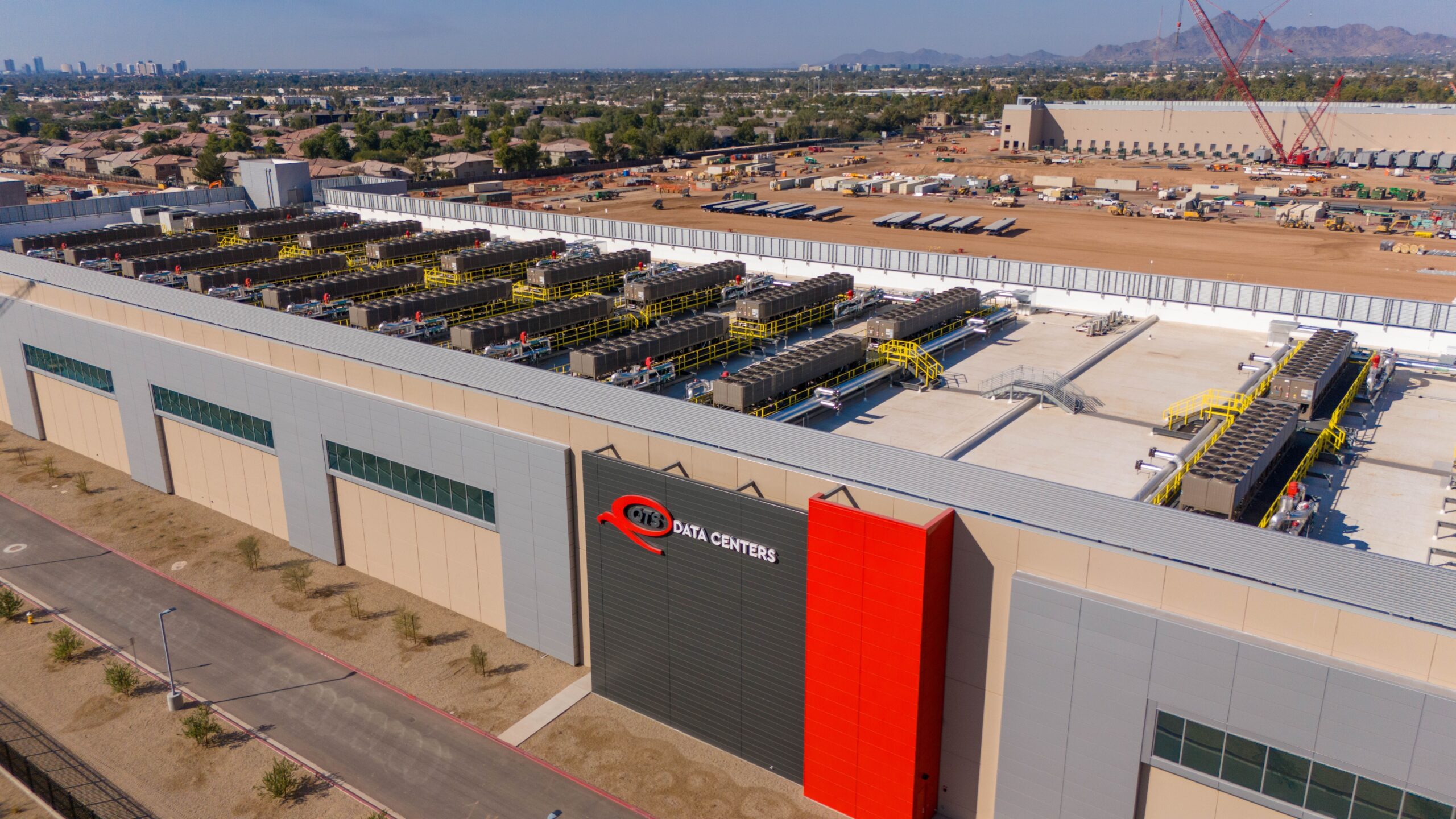
A new International Energy Agency report finds that AI’s significant promise in improving energy efficiency and grid reliability may not match the energy sector’s inability to keep pace with the explosive growth of AI’s physical infrastructure.
-
AI’s Environmental Footprint is a Gendered Security Risk
›
The infrastructure powering artificial intelligence (AI) has become both a political flashpoint and a signal for strategic warfare with significant military, geopolitical, and international security implications. Climate change is a “threat multiplier” that exacerbates fragility. The collision of these two forces is certain to create immediate and long-term impacts. AI’s environmental footprint risks externalizing environmental costs onto poorer countries– and the communities within them–that supply critical minerals, water resources, and host energy-intensive infrastructure, deepening ecological, economic, and social inequalities. Over the long run, it may also undermine long-term climate resilience and global stability
-
America’s AI Gamble: How Big Tech is Trading Climate for Hype
›A majority of Americans now say they are more concerned than excited about encountering AI in their daily lives. The implications of this sentiment are beginning to dawn on Wall Street investors, who are starting to worry about a potential mismatch between investor enthusiasm and consumer reality.
-
Environmental Security Weekly Watch: November 17-21, 2025
›November 21, 2025 // By Madelyn MacMurrayA window into what we’re reading at the Stimson Center’s Environmental Security Program
As COP30 Concludes, Experts Call for Reform (Reuters)
Interviews with experts attending COP30 highlight a growing movement for reform to the UN climate negotiations. In particular, there is alignment on a key critique of the current COP structure which calls for a full consensus of nearly 200 countries to make decisions. Since this requirement historically has allowed more ambitious efforts to be blocked during negotiations, suggestions for reform have included the following: a shift to a majority-vote model, holding COP every other year, convening smaller action-focused gatherings, and downsizing COP to exclude big business contingents.
-
Shall We Ask ChatGPT About Water During Negotiation?
›November 17, 2025 // By Kyungmee KimArtificial Intelligence (AI) has the potential to reshape how data and knowledge are produced, shared, and used in transboundary water negotiations, but it also risks entrenching political imbalances, deepening mistrust, and displacing the need for genuine cooperation.
Showing posts from category artificial intelligence.