-
Jagdish Upadhyay: Don’t Wait for the Demographic Dividend, Seize It
› “The demographic dividend is about inclusive growth, not just economic growth,” says Jagdish Upadhyay, chief of commodity security at the United Nations Population Fund (UNFPA), in this week’s podcast. “If it’s not inclusive, achieving the demographic dividend will be difficult.”
 -
Can Myanmar Avoid Conflict Pitfalls in its Hydro Blitz?
›
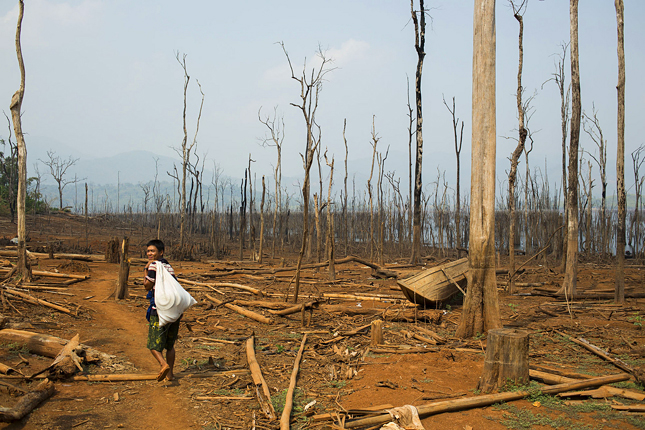
Myanmar is undergoing multiple transitions, from military rule to democracy, decades of civil war to peace, and from a command economy to a market-based one. No less of an important challenge amidst this backdrop of change and hope is addressing the country’s energy poverty.
-
An Environmental Migration Review and 6 Recommendations to Build Livelihood Resilience
›An article in the Annual Review of Sociology reviews much of the research on the relationship between environmental factors and migration, providing a timely overview of a complex field. “Migration is often a household strategy to diversify risk,” write Lori Hunter et al., but can be influenced by any number of determinants, including at the macro level (e.g., environmental, social, cultural, economic, and political dynamics), the meso level (e.g., intervening obstacles and facilitators), as well as the micro level (e.g., personal and household characteristics). -
Lessons From Uganda on Strengthening Women’s Voices in Environmental Governance
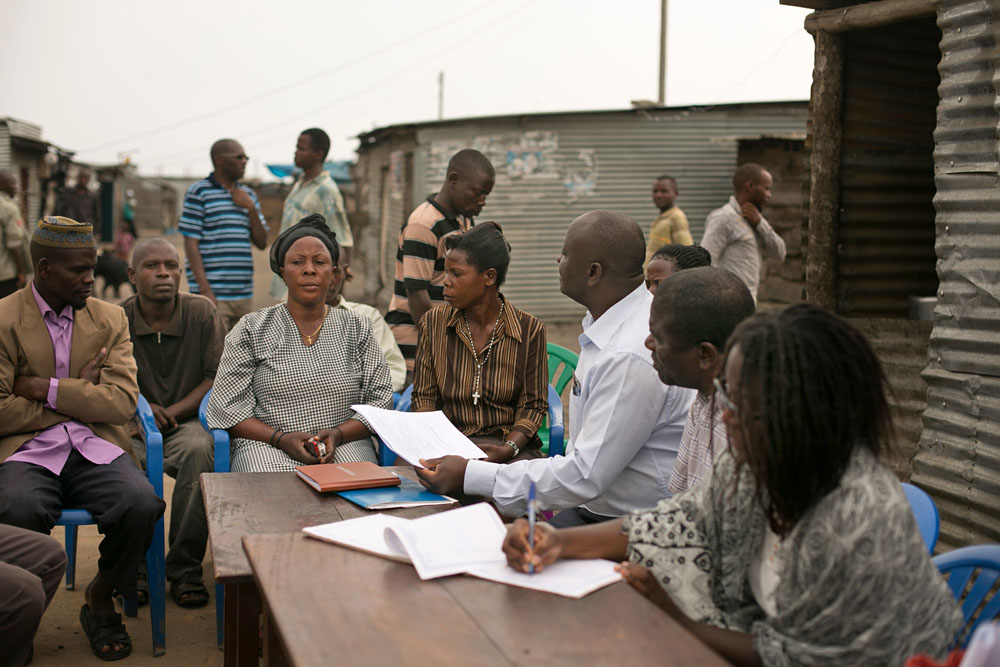
›Ask Agnes Namukasa about sustainably managing fisheries in Kachanga, the lakeshore landing site she calls home in Uganda’s Masaka District, and you will soon learn about toilets. From her perspective, community members won’t address conflict between government enforcers and fishers, competition among neighboring villages, or pollution threatening aquatic ecosystems until they can first organize to address their most pressing daily needs. And in Kachanga, where chronic childhood diarrhea and a host of other illnesses stem from poor sanitation, those essentials include public latrines.
-
The Outcast Majority: War, Development, and Youth in Africa (Book Preview)
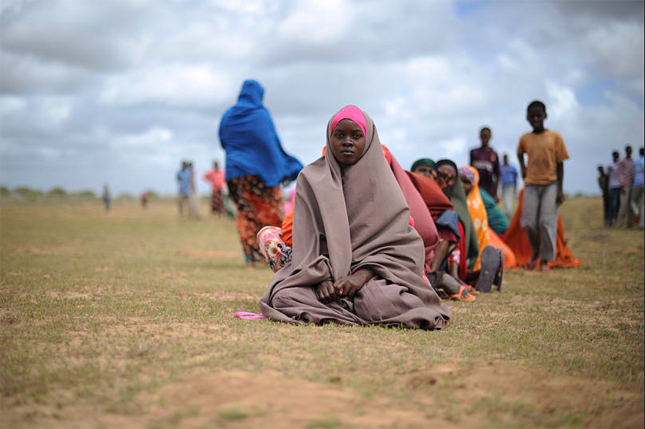
›The Outcast Majority: War, Development, and Youth in Africa is born of a growing sense that the status quo won’t work, in Africa or elsewhere. Enormous youth cohorts, containing many who feel socially sidelined, call for a response that, at best, is sporadically seen.
-
Climate Compensation: How Loss and Damage Fared in the Paris Agreement
›The agreement coming out of the COP-21 negotiations gave breakthrough recognition to the concept of “loss and damage,” sorting through thorny discussions and politically charged negotiating positions. These positions revolved around liability and compensation, which developing countries called for but developed countries were unwilling to have included in the agreement.
-
Empower, Educate, and Employ Youth to Realize the Demographic Dividend
›In the course of development, most countries undergo a demographic transition. Health conditions improve and mortality rates decline, causing rapid population growth and a relatively high proportion of young people. Over time, if fertility declines, as it has in most places, growth slows and there is a period when the proportion of very young “dependents” shrinks in comparison to the working age population. This moment represents an opportunity for a “demographic dividend” – an economic boom as a comparatively large cohort of the total population moves through their most economically productive years. [Video Below]
-
Missing the Big Picture in Challenging Africa’s “Land Grab” Narrative
›Who walks away from fertile agricultural land available to lease for as little as $1 per year per hectare? Recent reports indicate international investors are doing just that across sub-Saharan Africa.
Showing posts from category livelihoods.