-
Hunger in Shangri-La: Causes and Consequences of Food Insecurity in the World’s Mountains
›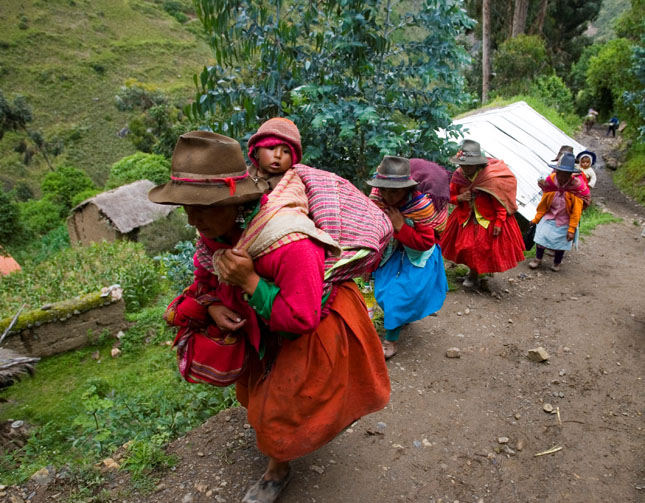
Over the past decade, the number of undernourished people around the world has declined by around 167 million, to just under 800 million people. However, this positive trend glosses over a stark reality: Food insecurity is increasing in the world’s mountains. This pattern has been under-recognized by development experts and governments, a dangerous oversight with far-reaching social and environmental repercussions.
-
Christina Cauterucci, Slate
Gates Foundation to Invest $80 Million for Better Economic Data on Women and Girls
›June 3, 2016 // By Wilson Center Staff
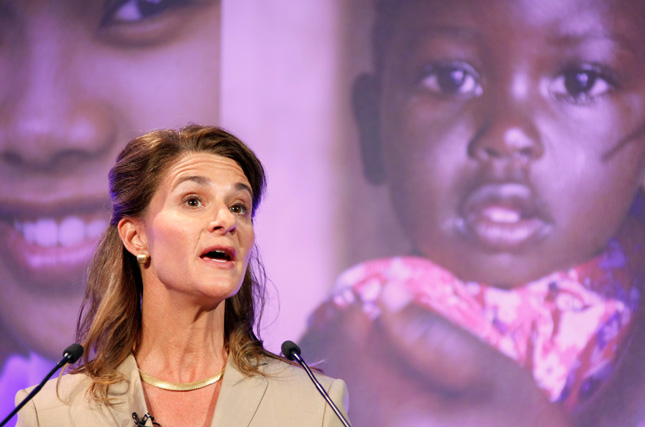
Melinda Gates announced a new $80 million Bill and Melinda Gates Foundation commitment to global data collection in a May 17 address at the Women Deliver conference in Copenhagen. Over three years, the foundation’s efforts will focus on filling gaps in data about women’s unpaid labor, improving the accuracy of data around land and property ownership, and using that data to inform civil and government decision-makers about the effects of their existing programs and recommend areas for improvement.
-
We’re At Peak Storytelling – And That’s a Good Thing
›Everywhere you look these days, you find storytellers. I’ve found myself going to fewer concerts after work and more storytelling nights. Podcasts have sprung up dedicated to the craft of narrative. It’s a brand I hear friends use to define themselves: “I’m a storyteller.” If you’re under 30, it’s a natural and ubiquitous part of the milieu.
-
When Climate Change Exacerbates Conflict, Women Pay the Price, Says Mayesha Alam
›Climate change has the potential to exacerbate conflict and political instability, and women will pay a steeper price than their male counterparts when it does, says Mayesha Alam, associate director of the Georgetown Institute for Women, Peace, and Security, in this week’s podcast. -
Feeding the Future? A Closer Look at U.S. Agricultural Assistance in Tanzania
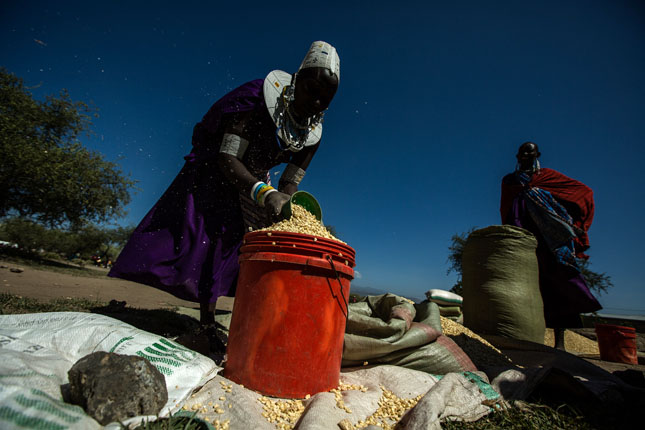
›May 11, 2016 // By Haodan "Heather" ChenBetween 2010 and 2015, Tanzania received more than $320 million in assistance via the U.S. government’s Feed the Future Initiative – the most of any country. But despite these commitments and an average of six to seven percent annual economic growth since 2000, Tanzania did not meet the first Millennium Development Goal: to reduce hunger and extreme poverty by half by the end of 2015.
-
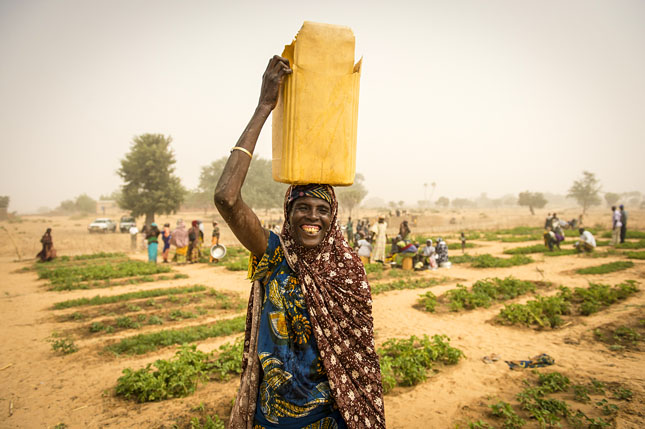
Water Is the Climate Challenge, Says World Bank
›May 6, 2016 // By Schuyler NullHow will climate change affect you? Probably through water.
That’s the major message of a new World Bank report that finds the ways governments treat water can have a profound effect on the economy.
-
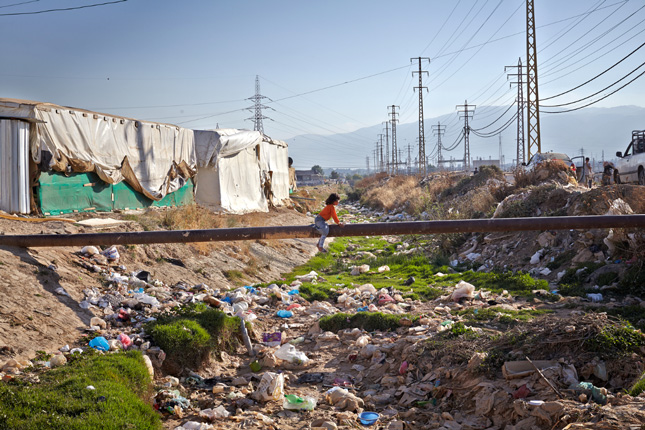
Behind the Headlines, Emerging Security Threats in the Middle East
›The Middle East, as much as ever, is the focus of international attention, but the obvious crises may be a distraction from deeper underlying issues.
-
Pathways to Resilience: Evidence on Links Between Conflict Management, Natural Resources, and Food Security
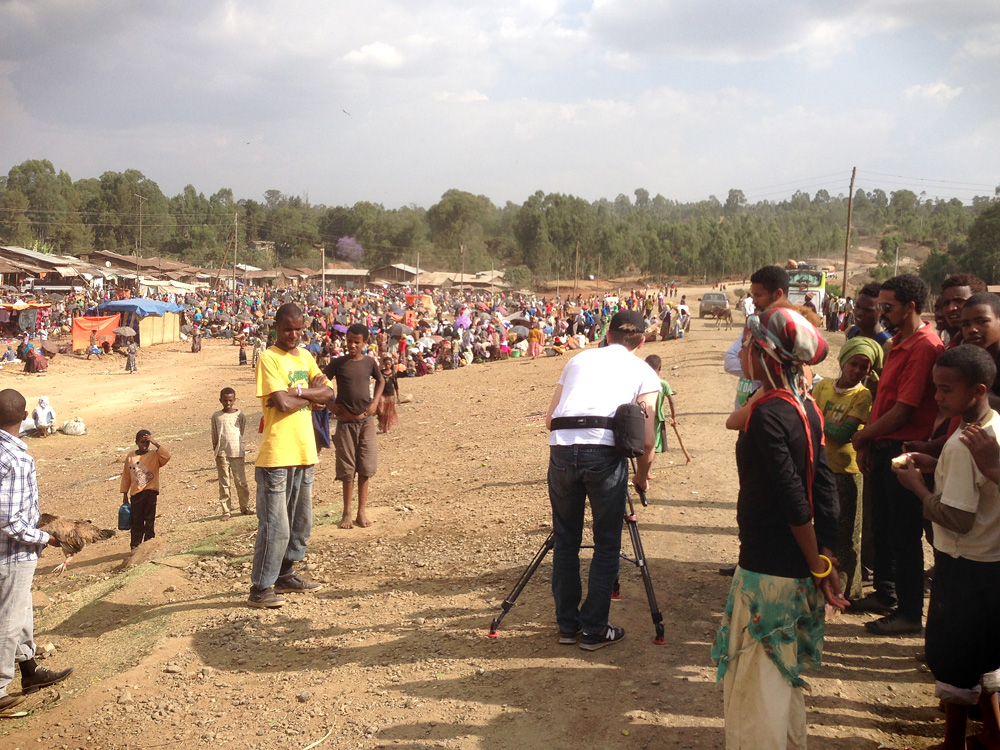
›In 2015, the NGO Mercy Corps released some surprising findings from conflict management programs in the Horn of Africa. Interventions from 2013 to 2015 focused on building community-level cooperation, strengthening institutions, and enhancing resilience. The results indicate that natural resource management can be a key governance pillar to build around and that such cooperation can strengthen household resilience to climate and food security shocks. [Video Below]
Showing posts from category livelihoods.
 Climate change has the potential to exacerbate conflict and political instability, and women will pay a steeper price than their male counterparts when it does, says Mayesha Alam, associate director of the