-
Backdraft Episode #3: Kimberly Marion Suiseeya on Voice, Justice, and Representation
› “If we think sustainable development is the goal we want to achieve, we have to be radical in elevating those who have been traditionally excluded,” says Northwestern University’s Kimberly Marion Suiseeya in this week’s “Backdraft” episode. “We have to approach conservation and global environmental governance from the perspective of the invisible and the marginalized people.”
 -
Reining in China’s Aquafarming Sector: Interview With China Blue’s Han Han
›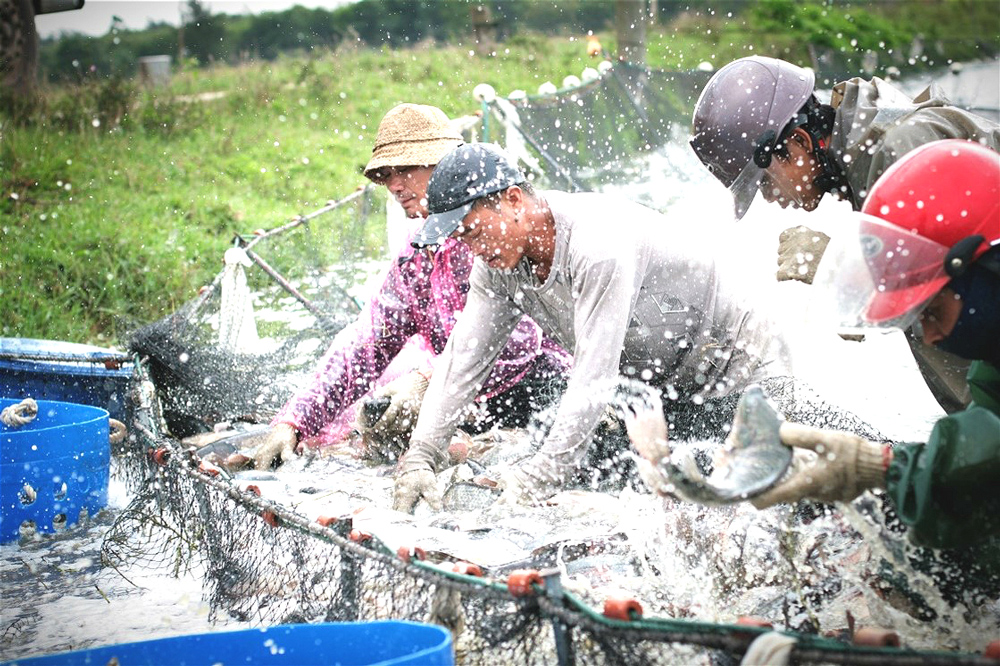
Ten years ago, amateur tilapia farmers in China were able to dig a pond, fill it with fish, add antibiotics and chemicals, and a few months later sell the fish to numerous unregulated processors. In those early days, fish farming created a great economic boom for first-time aquaculture farmers.
-
Insights on Ending Famine and Creating Food Security in a Changing World
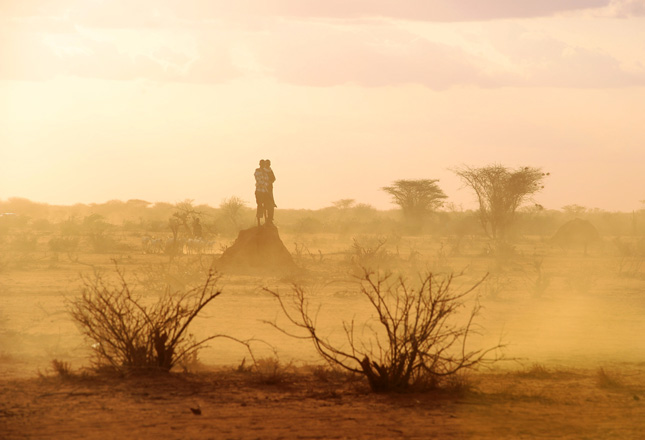
›The effects of climate change combined with breakdowns in governance are leading to food insecurity “on a scale that we’ve rarely seen,” said Alex de Sherbinin, associate director of Columbia University’s Center for International Earth Science Information Network, at the Wilson Center on January 26.
-
Come Hell or Holy Water: India’s Fight to Save the Ganges
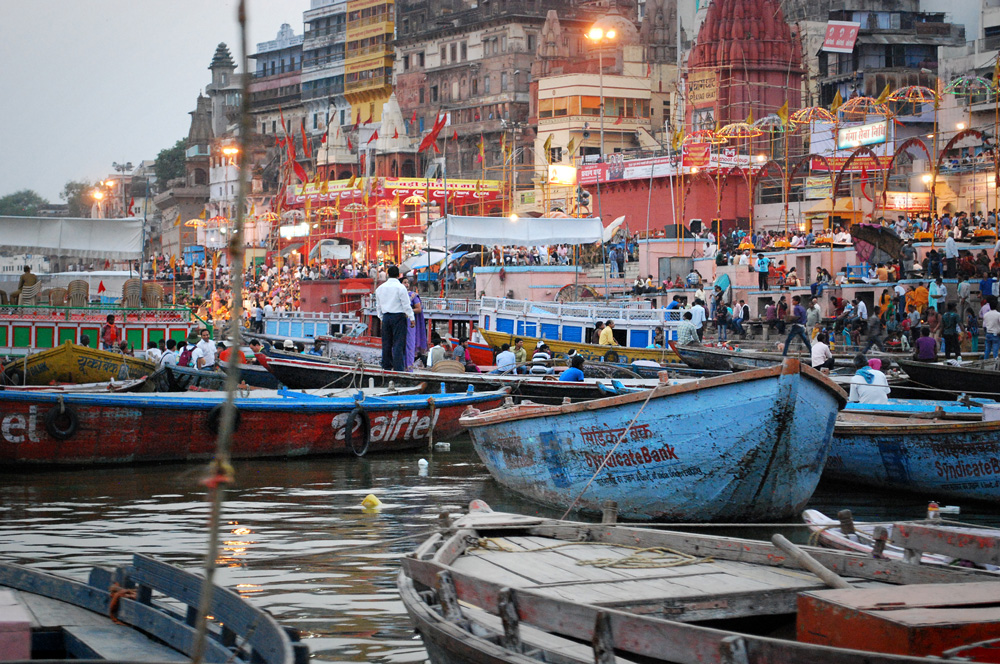
›February 13, 2017 // By Sreya PanugantiRevered for far more than its contribution to Indian civilization, the Ganges represents the goddess of salvation, Ganga. As a symbol of purity in Hindu mythology, the holy river is thought to cleanse believers both spiritually and physically with its waters.
-
Reaching Accord on Land Grabs, and Household Perceptions of Climate-Conflict Vulnerability
›Large-scale land acquisitions, otherwise known as “land grabbing,” are often believed to lead to resistance from affected local communities. According to an article by Ruth Hall et al. in The Journal of Peasant Studies, however, “political reactions ‘from below’ to global land grabbing have been vastly more varied and complex than is usually assumed.” -
Torn Social Fabric: Water, Violence, and Migration in Central America
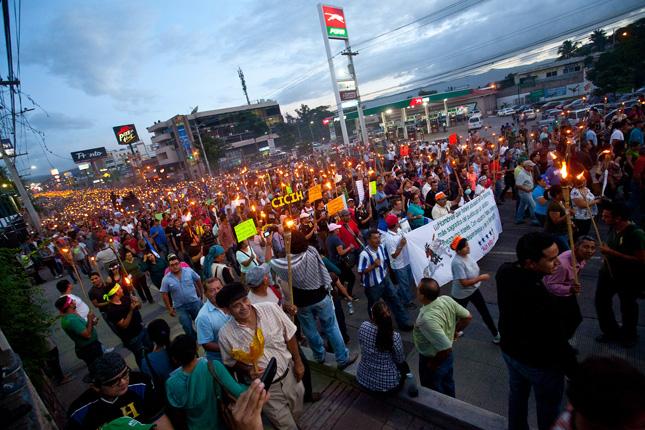
›In the first half of last year, 26,000 unaccompanied children were apprehended by U.S. law enforcement trying to cross the southern border. Most came from Central American states like El Salvador, Guatemala, and Honduras. Such displacement is just the tip of the iceberg in terms of migration in the region. Many more are moving from rural to urban areas and into neighboring countries seeking opportunity and fleeing violence.
-
Building a Locus of Control: Protecting Yourself From “Climate Trauma”
›January 23, 2017 // By Lynae BresserWith countries declaring drought emergencies and islands facing inundation, it can be difficult to turn away from the big picture when it comes to climate change. If we are to build a climate-resilient society, though, we must look to resilience at its origins, says one group of experts: the individual.
-
Backdraft Revisited: The Conflict Potential of Climate Change Adaptation and Mitigation
›Whether or not we respond to climate change – and the security implications of that decision – is a major public policy question. But increasingly experts are paying closer attention to how we respond.
Showing posts from category livelihoods.
 “If we think sustainable development is the goal we want to achieve, we have to be radical in elevating those who have been traditionally excluded,” says Northwestern University’s Kimberly Marion Suiseeya in this week’s “Backdraft” episode. “We have to approach conservation and global environmental governance from the perspective of the invisible and the marginalized people.”