-
Mapping Refugees and Urban Job Opportunities
›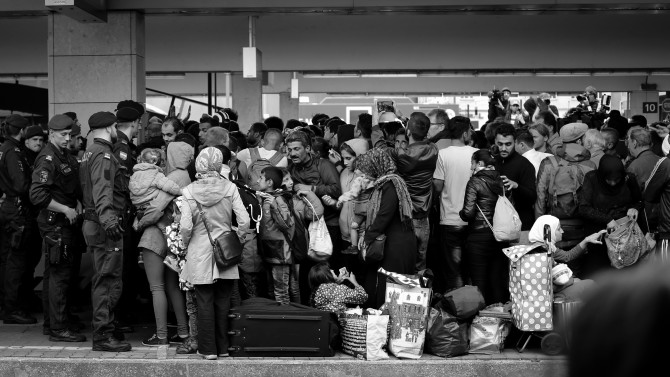
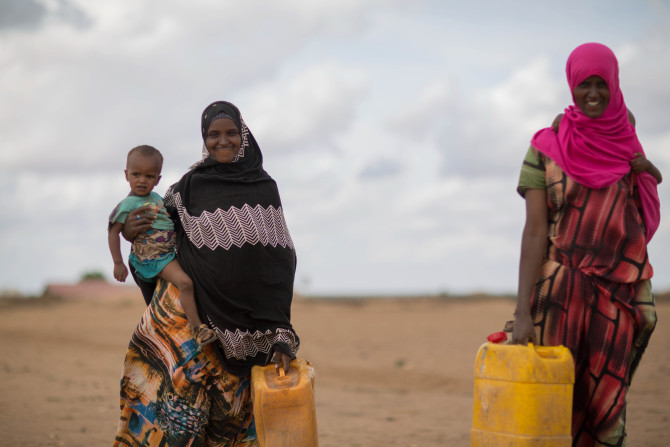
Although most of us picture refugees living in remote, dusty camps, as many as 2.1 million of the developing world’s working-age refugees reside in major urban areas—where they should have greater access to employment opportunities. However, according to a new report from the Center for Global Development, finding employment remains “one of the major unmet needs identified by refugees.”
-
A More Resilient World: The Role of Population and Family Planning in Sustainable Development
›
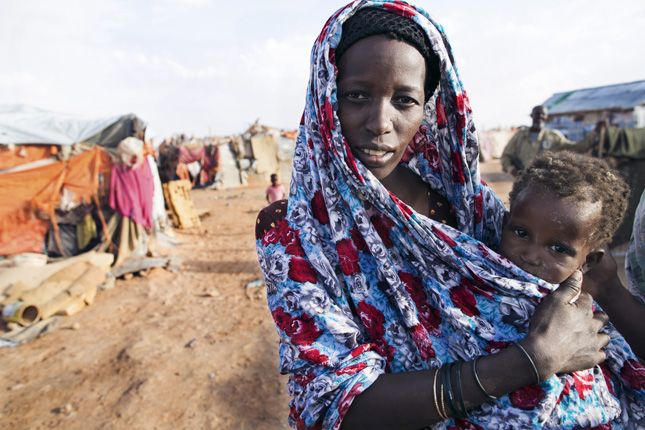
“Community mobilization, local capacity-building, and innovation are the cornerstones of successful development. And that for us includes resilience,” said Franklin Moore, Africare’s Chief of Programs, at a Wilson Center event on family planning and sustainable development. As rapid population growth intersects with challenges like food insecurity and water scarcity, communities in developing countries need not only the capacity to absorb short-term shocks, they also need transformative capacity to address long-term challenges.
-
How Family Planning Can Help Save Cheetahs
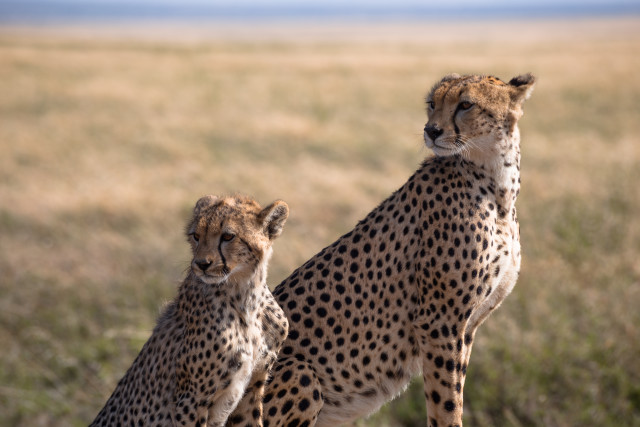
›Conservationists and development practitioners may not have always seen eye to eye, but a new partnership between a cheetah conservation charity and a network of reproductive health NGOs is making the case for why these groups need to work more closely together.
-
Beyond Violence: Drought and Migration in Central America’s Northern Triangle
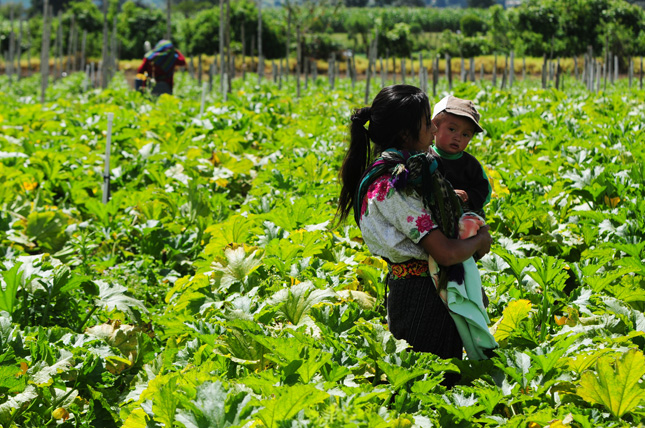
›Starting in 2014, the number of migrants from Central America’s Northern Triangle—Guatemala, El Salvador, and Honduras—surged, with border apprehensions increasing fivefold from 2010-2015. While apprehensions have declined from their peak, emigration from these countries has not necessarily slowed, and the conditions the migrants are seeking to escape have not changed. Experts blame the region’s widespread criminal violence for spurring migration. But the Northern Triangle countries also share similar ecology, staple crops, and vulnerability to climate events. While environmental and natural resource factors are just part of the complex picture, understanding how they intersect with other migration drivers is key to creating and implementing effective policy responses.
-
Inclusive Disaster Risk Reduction: Women and Climate Change Adaptation
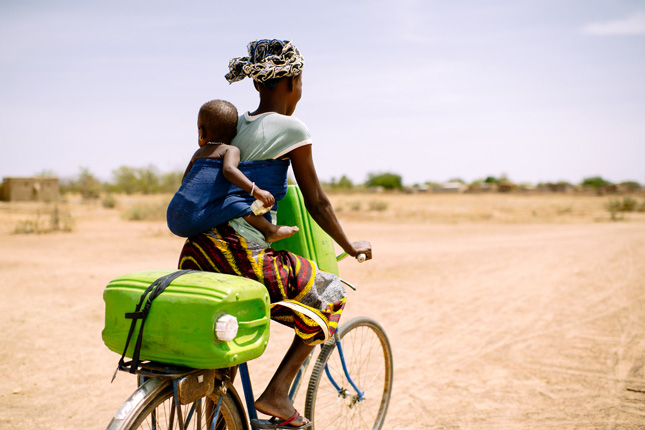
›According to a 2015 Georgetown University report on women and climate change, “the impacts of climate change – droughts, floods, extreme weather, increased incidence of disease, and growing food and water insecurity – disproportionately affect the world’s 1.3 billion poor, the majority of whom are women.”
-
A More Just Migration: Empowering Women on the Front Lines of Climate Displacement
›“It is often expected that women care more, and therefore women are going to volunteer, and be the saviors” in times of crisis, said Eleanor Blomstrom, the Program Director and Head of Office for the Women’s Environment & Development Organization (WEDO), at a Wilson Center event on climate displacement and the changing role of women. A panel of experts discussed the impacts of climate change that not only force women to move, but also put them disproportionately at risk. By integrating gender dimensions of climate-related displacement into research, policy, and programs, we can gain a better understanding of the challenges that women face and support women’s efforts to be changemakers for their communities as they adapt to climate threats. “All issues are women’s issues,” said Blomstrom.
-
Go Tell the Crocodiles: Chasing Prosperity in Mozambique
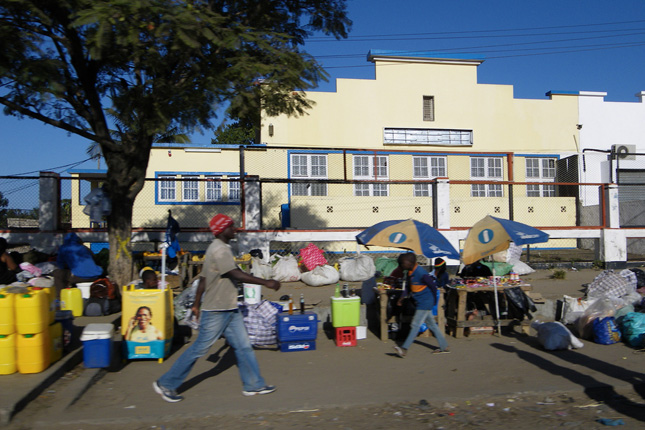
›Just outside Nampula, in northern Mozambique, a huge granite dome overlooks the city, 500 feet high and a half-mile across. All along its southern flank, hundreds of men work in small groups, whittling away at the rock face with sledgehammers and picks. Smoke rises before dawn until well after dusk, as they stoke fires to heat the granite and use crowbars to prize free tombstone-sized slabs. Day by day, the mountain is carted away by the wheelbarrow-full. It’s backbreaking work that yields barely enough to live. Yet these informal quarries are nevertheless among the region’s largest employers. Certainly, more people have found work here than with Kenmare Resources, the Irish company that has sunk more than US$1 billion into mining titanium deposits along the nearby coast.
-
Somali Pirates Return as Illegal, Unregulated, and Unreported Fishing Continues in the Gulf of Aden
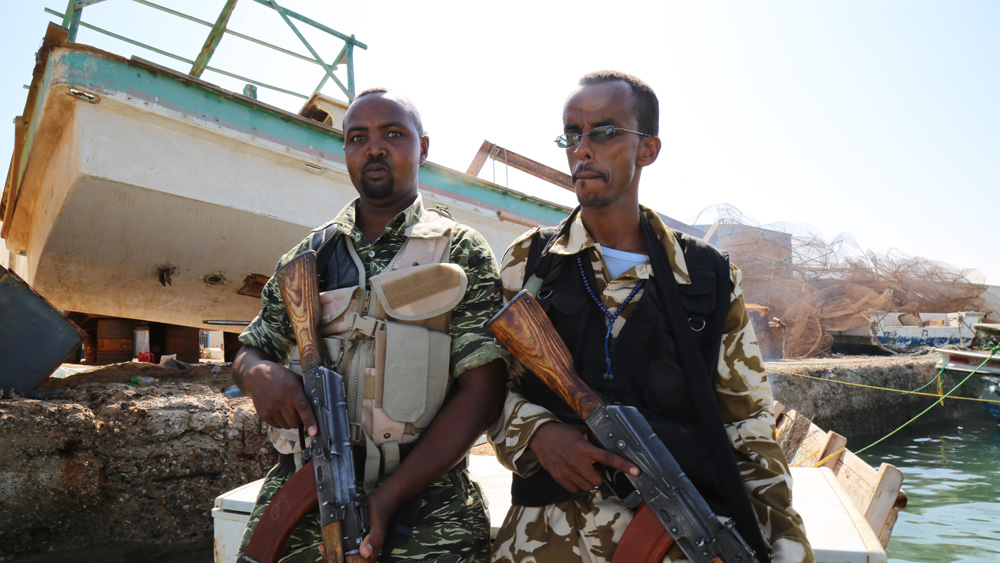
›After pirates hijacked an Iranian fishing vessel last year near Bosasso, a major seaport in Puntland, Somalia, local authorities observed that the offending boat was casting nets without a license. While piracy has diminished since 2008-2012, when these waters became some of the most lawless in the world, a spate of incidents in 2017-8 has made it clear that the conditions that led to piracy—including incursions from foreign fishing boats—are still a major problem.
Showing posts from category livelihoods.