-
“Land is Now the Biggest Gun”: Climate Change, Conflict, and the Telling Case of Karamoja, Uganda
›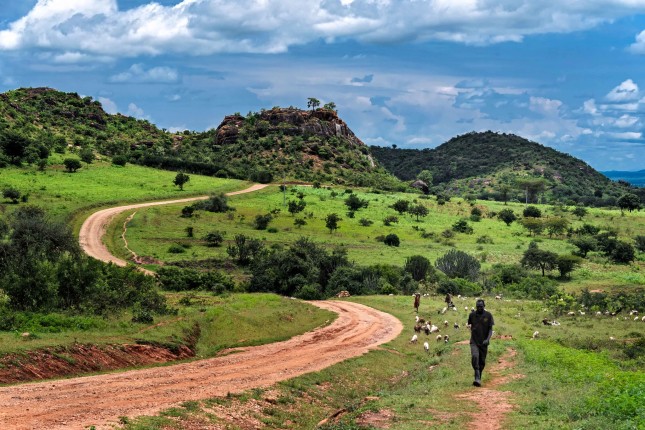
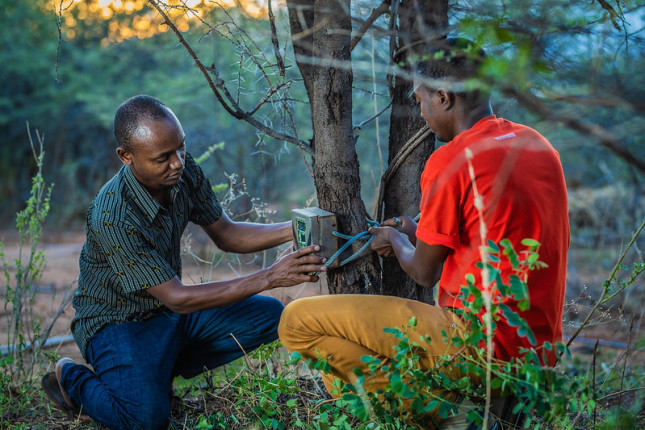
Whether and how climate change drives conflict has driven considerable debate over the past decade. Yet understandings of climate-conflict remain general, and in many respects, unsettled. A recent assessment of potential future directions for climate-conflict research highlights the need to go beyond generalities and deepen insight into the contextual mechanisms that link climate change to conflict. That type of knowledge requires in-depth studies that trace climate-conflict dynamics in particular places and times. In an article recently published in Climate and Development, I examine how climate change alters conflict outcomes and vulnerability in Karamoja, Uganda. The case offers direct insight into both why the climate-conflict relationship can be so difficult to interpret and also the need to broaden conceptualizations of the climate-conflict relationship.
-
Zafar Imran, Le Monde diplomatique
Climate Change in the Indian Farmers’ Protest
›
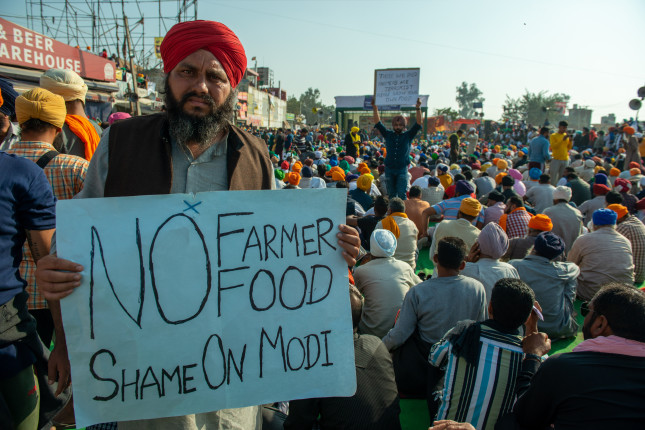
The ongoing farmers’ movement in India has taken the world’s largest democracy by storm. Hundreds of thousands from all over the country have laid siege to New Delhi for more than two months. As both the protestors and the government dig their heels in, the chances of confrontation and violence are increasing by the day.
-
Why Securing Youth Land Rights Matter for Agriculture-Led Growth in Africa
›Africa’s “youth bulge” represents both an enormous challenge and a tantalizing opportunity for the continent. With over 60 percent of Africans under the age of 35, governments are under increasing pressure to grasp the “demographic dividend” youth represent to boost agricultural productivity, enhance food security, and expand economic opportunities for young men and women. Each year, about 10-12 million young Africans aged 15-24 enter the labor market, but only 3.1 million formal wage jobs are generated, pushing millions of youth into low paying and precarious informal employment.
-
Why Secondary Cities Deserve More Attention
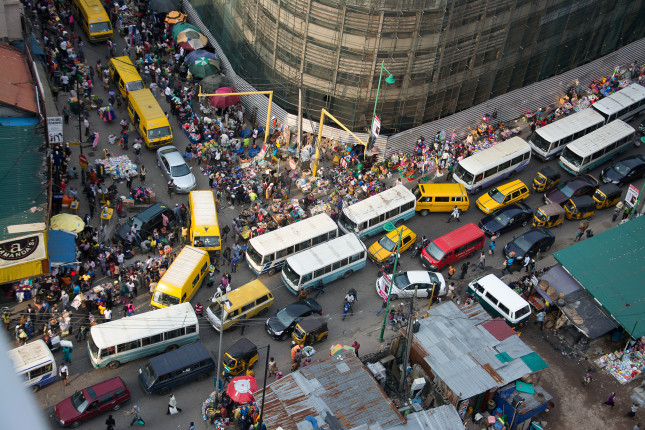
›Mention London, Rome, or New York, and people immediately conjure up Big Ben, the Colosseum, the Statue of Liberty. Beijing, Cairo, Mumbai? Check. They’ve heard of them. Megacities, the ones with lots of history, lots of people, and an oversized impact on the economy and culture, tend to be well-known.
Fewer people may know much about Addis Ababa, Dhaka, Lagos, or São Paulo — yet many would recognize the names. But who knows or has been to Darkhan, Mongolia or Santa Fe, Argentina or Boké-Kamsar in Guinea?
-
Many Companies Struggle to Comply with Conflict Mineral Reporting Rules
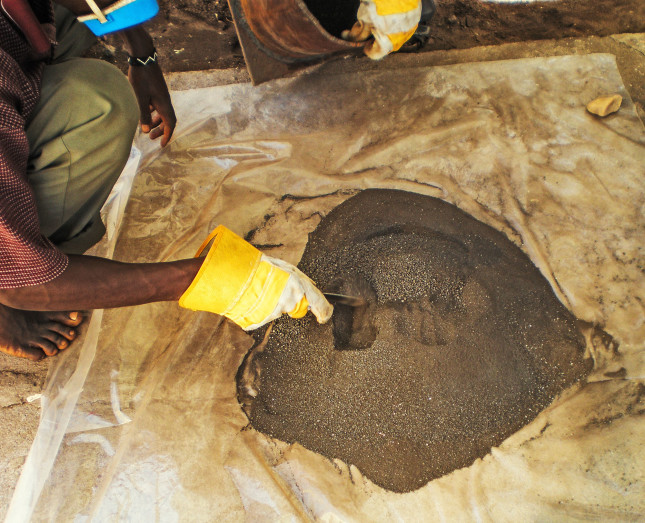
›“The exploitation of the mining and trade of conflict minerals in the eastern DRC [Democratic Republic of the Congo] has contributed to instability, violence, displacement of people, and severe human rights abuses,” says the Government Accountability Office (GAO) in its annual report, Conflict Minerals: Actions Needed to Assess Progress Addressing Armed Groups’ Exploitation of Minerals. The report examines a sample of filings from 1,083 companies that submitted conflict mineral disclosures required by the Securities and Exchange Commission (SEC) in 2019.
-
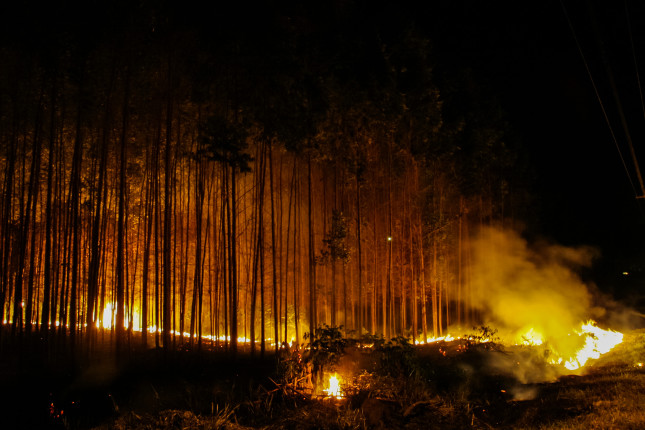
Protecting Brazil’s Forests Could Boost Economic Development
›The dry season returned to Brazil’s Amazon region in late July—and with it, forest fires, largely human-made. After making substantial progress in reducing deforestation in the 2000s and early 2010s, Brazil has reversed course and deforestation is rising. In the Amazon, this season has been the worst in more than a decade in number of fires, and second worst in terms of total deforestation, according to satellite data from Brazil’s National Institute of Space Research (INPE), which monitors the situation.
-
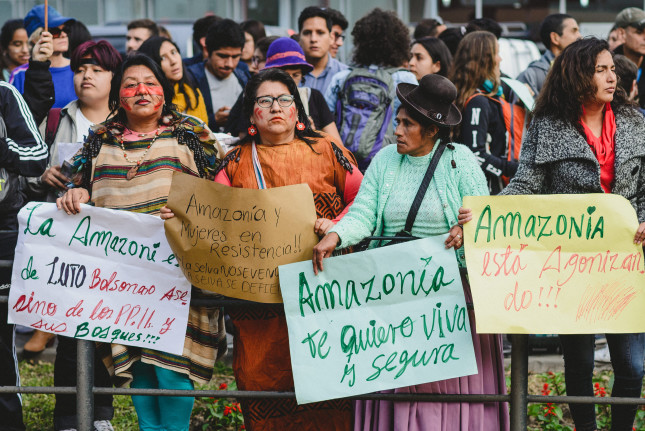
President Bolsonaro Fiddles While the Brazilian Amazon Goes Up in Smoke
›On August 11, 2020, Brazilian President Jair Bolsonaro dismissed the raging fires in the Amazon, calling their existence a “lie.” However, his own government has reported more than 10,000 fires currently burning in the Amazon, a 17 percent increase from the same time last year, when the number of wildfires reached a nine-year high. The international community has condemned the Brazilian government’s response to the raging Amazon fires. Bolsonaro’s denial about these fires blocks effective domestic, international, government, and non-governmental responses. And it risks exacerbating the conditions contributing to global climate change.
-
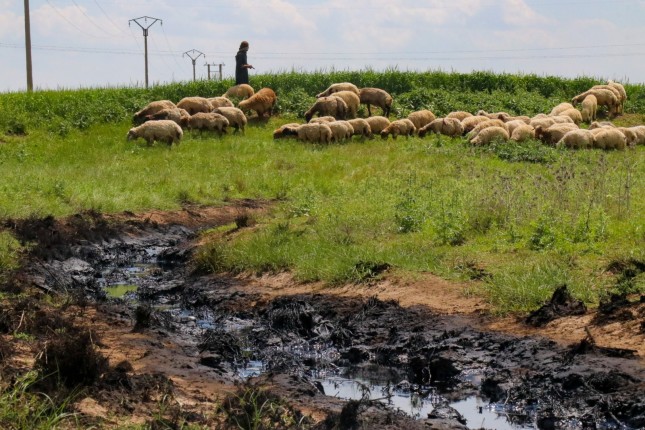
Where the Oil Runs Deep, Water Turns Foul
›When Farhad Ahma returned to his native country last year on a work trip, his first thought was of his small daughter back home. The air around him was so thick with pollution, he couldn’t imagine she would survive the climate in this region of northeastern Syria. Ahma himself struggled to breathe almost as soon as he arrived, nauseated by the heavy smell within a couple hours. He was born and raised nearby, in a city called Qamishli, but he had lived in Berlin for some time now. Returning was a shock to his system.
Showing posts from category livelihoods.