-
Powering Peace: Can Renewable Energy Help End Africa’s Conflicts?
›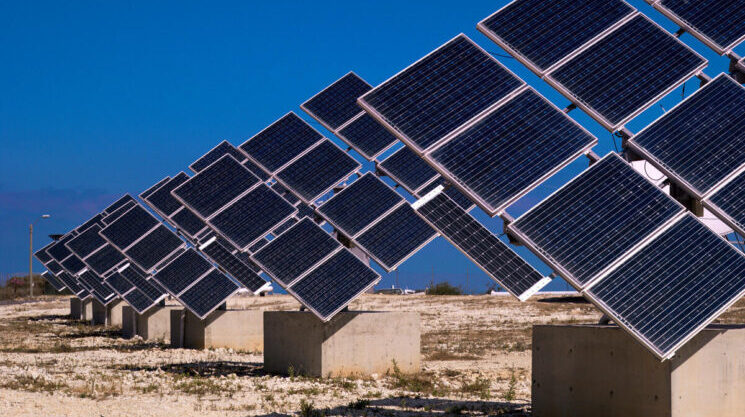
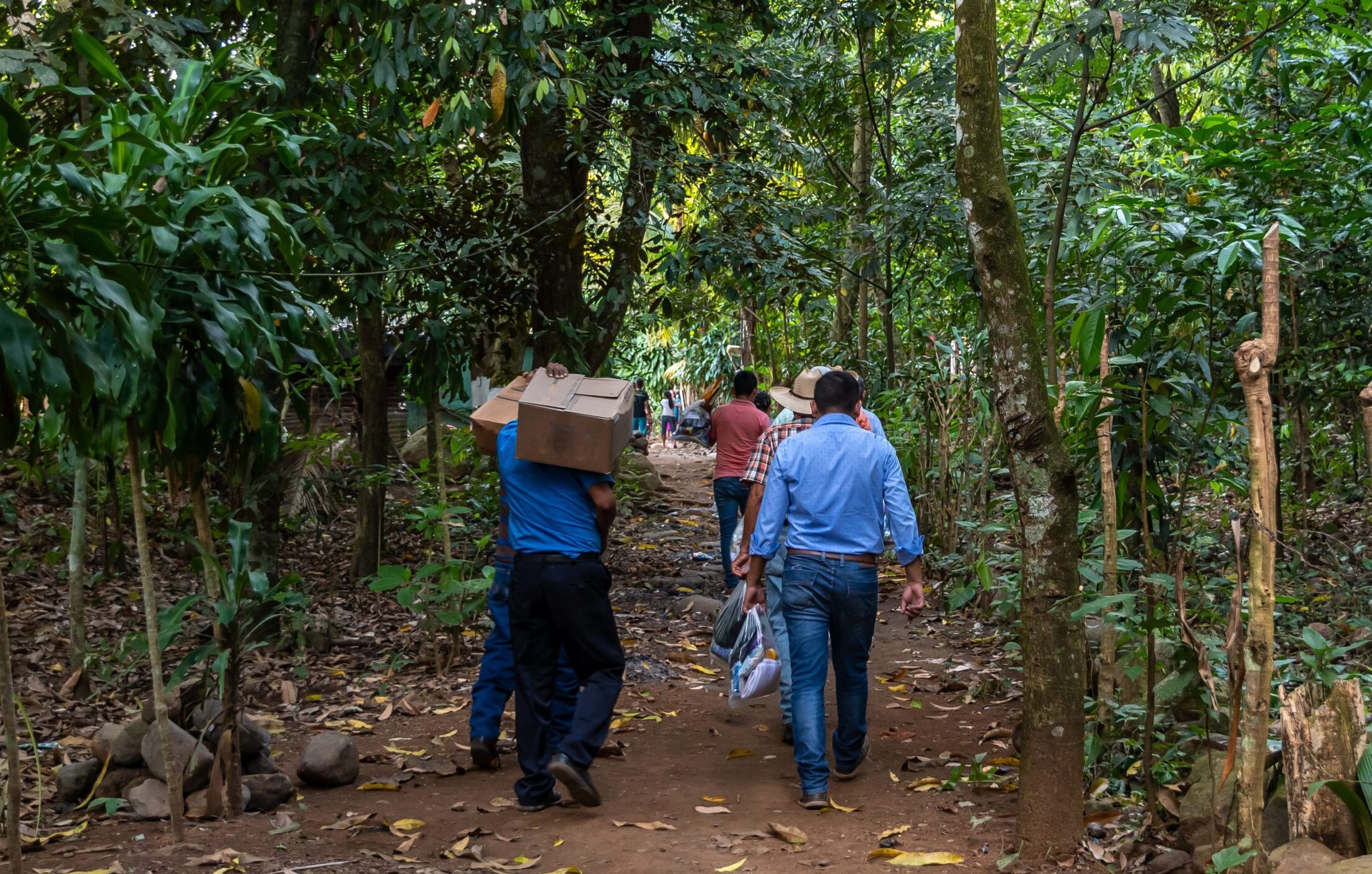
When armed groups began threatening a community in the Democratic Republic of Congo (DRC) that had recently gained access to solar-powered electricity, something unexpected happened. Rather than flee, residents rushed to protect their mini-grid. They put themselves at risk to keep the lights on.
-
Environmental Security Weekly Watch: April 13-17, 2026
›
A window into what we’re reading at the Stimson Center’s Environmental Security Program
Green Corridor Addresses Conflict Economies in Virunga National Park (Mongabay)
In the Eastern Congo, Virunga National Park faces an intertwined crisis of conflict and environmental destruction rooted in economic desperation. Communities residing within the park rely on charcoal production and forest clearing for survival. Simultaneously, armed militias exploit these same resources to finance ongoing violence. In response, Virunga administrators have developed an integrated model using renewable energy as the foundation for an alternative economy.
-
Why Good Development Requires Wisdom, Not Just Rules
›Development practitioners enter the field hoping to make the world a better place. Yet, too often, they become jaded and cynical over time. The bureaucratic processes that shape the mechanics of development programs (funding, design, implementation, and evaluation) often make it difficult for practitioners to apply their expertise and judgment. As the international development sector adjusts to the shutdown of USAID last year, it is an opportune moment to reflect upon how different approaches may strengthen development practice.
-
Environmental Security Weekly Watch: March 3-6, 2026
›A window into what we’re reading at the Stimson Center’s Environmental Security Program
US Pressure Adds to the Suffering in Cuba’s Worst Economic Crisis (The New Humanitarian)
Cuba is on the brink of a total humanitarian collapse as its people bear the brunt of cascading crises driven by the Trump administration’s decision to block Venezuelan oil shipments to the island. It is a crisis compounded by a decades-long US embargo and years of economic mismanagement. The power blackouts which previously lasted for 12 to 14 hours now exceed 20 hours, thus further crippling hospitals, food storage, and water systems. Without new fuel deliveries, the island might reach complete fuel depletion this month amidst its worst economic crisis since the 1930s.
-
Environmental Security Weekly Watch: February 23-27, 2026
›A window into what we’re reading at the Stimson Center’s Environmental Security Program
UN Report: One in Five Fish Products Tied to Fraud (Inside Climate News)
A new UN Food and Agriculture Organization report finds that up to 20% of fishery and aquaculture products worldwide are mislabeled. The $195 billion industry is especially vulnerable due to supply chains involving over 12,000 traded species. The study is the first of its kind for the organization, and describes a pattern of fraud that takes many forms, from coloring tuna to appear fresher, to selling farmed fish as wild-caught, to substituting cheap species for expensive ones entirely. In the US alone, as much as a third of seafood may be mislabeled, yet less than 1% of imports are ever tested.
-
Environmental Security Weekly Watch: September 15-19, 2025
›A window into what we’re reading in the Stimson Center’s Environmental Security Program
Mexico’s Mercury Boom is Poisoning People and the Environment (Associated Press)
In Mexico’s Sierra Gorda mountains, soaring international gold prices also have created a mercury boom. Since 2011, mercury prices have skyrocketed from $20 per kilogram to between $240 and $350 per kilogram today. Most of Mexico’s mercury is trafficked to Colombia, Bolivia, and Peru for use in illegal Amazon gold mining operations that contaminate rivers and ecosystems. Yet the country’s adoption of a 2017 UN convention banning mercury mining and exports also allows artisanal mines to operate until 2032.
-
Mud, Memories, and Meaning: Investigating Climate Security in Southwestern Zimbabwe
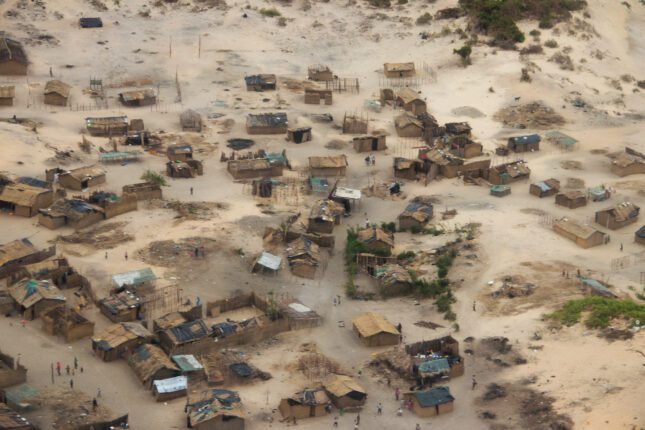
›While the devastating cyclones Dineo (2017) and Idai (2019) may feel like distant memories on the global stage, their impact remains etched into daily life in Zimbabwe’s Tsholotsho and Chimanimani districts. A punishing regional drought in 2024 makes the picture here even clearer: food, land, and water systems have been reshaped in ways that directly influence social cohesion and stability.
-
Environmental Security Weekly Watch: August 11-15, 2025
›A window into what we’re reading at the Stimson Center’s Environmental Security Program
The Mining Town Funding Congo’s Rebels and Tech Giants (Reuters)
In April 2024, the M23 rebel group seized control of Rubaya, a mining town that produces 15% of the world’s coltan—a critical mineral worth used in mobile phones, computers, and aerospace components. Rebels imposed a parallel administration in the town, and placed a 15% tax on mineral traders that generates $800,000 monthly from levies. Thousands of impoverished miners in the town, however, still work 12-hour shifts in dangerous conditions earning just $5.15 per day.
Showing posts from category livelihoods.