-
How to Create a New Climate for Peace: Preventing Climate Change From Exacerbating Conflict and Fragility
›June 19, 2015 // By Lauren Herzer Risi
When the leaders of the G7 countries – Canada, France, Germany, Italy, Japan, the United Kingdom, and the United States – met earlier this month, they agreed to make fossil fuels a thing of the past by 2100. At the same time the G7 is also taking steps to make climate change’s connection to conflict a priority in the present.
-
From One Generation to the Next: New Wilson Center Film Explores Integrated Development in Ethiopia
›June 17, 2015 // By Sean PeoplesOn a warm January afternoon, Tesema Merga, a village elder in Endibir, Ethiopia, surveyed the latest improvements to the long dirt road just outside his house. Eventually this road will be paved, which will bring significant changes to the community.
-
Cooperation Is Not Enough: Why We Need to Think Differently About Water
›
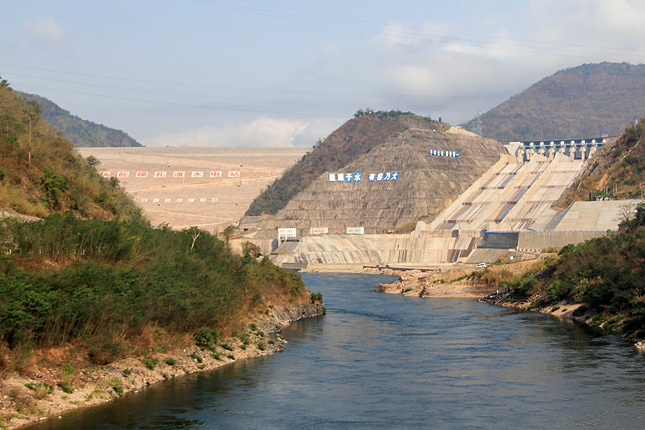
In 2003, the United Nations General Assembly declared 2005 to 2015 to be the decade of “water for life” as a way to encourage countries to reach their water-related targets under the Millennium Development Goals. In summing up the last 10 years, it was noted that water cooperation had been promoted widely, featuring at international fora and in government initiatives and development agendas. Water cooperation is described as having the potential to enable peace and sustainable development. However, just as focusing on “water wars” might undermine the everyday challenges of securing safe and adequate supplies of water, focusing only on “more cooperation” may well simplify the problem at hand.
-
The Role of the Private Sector in Solving Asia’s Environmental Emergency: Interview With Mark Clifford
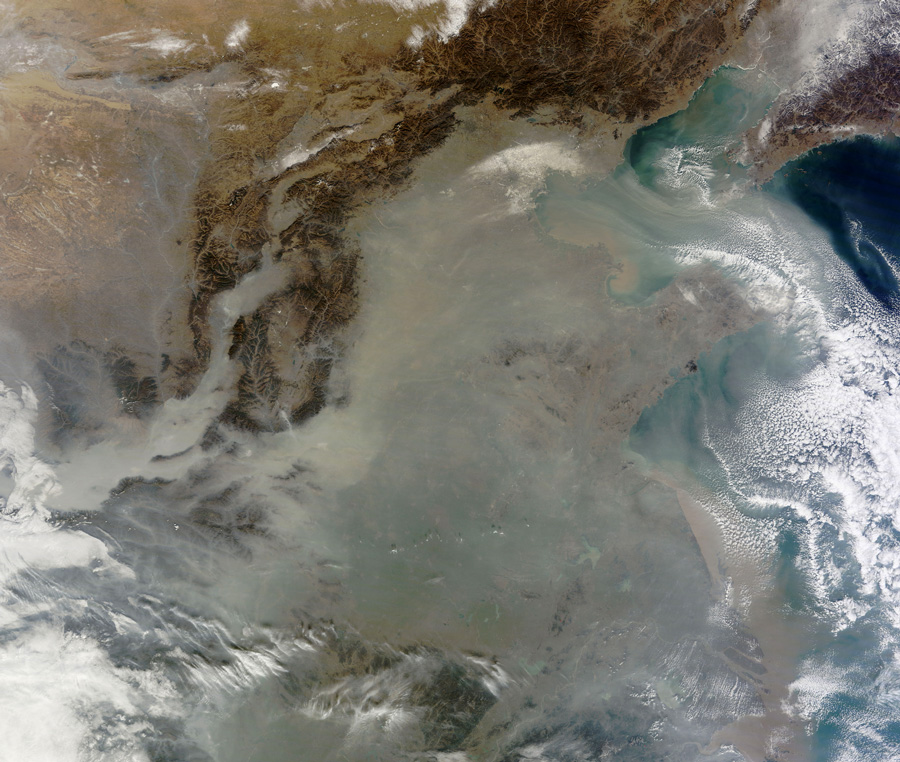
›From smoggy skies to rancid rivers and staggering slums, environmental challenges loom large for Asia. While much has been said about the role of government and NGOs in achieving a sustainable future, Mark Clifford, executive director of the Asia Business Council, believes companies are an indispensable but often overlooked part of the solution.
-
The Dark Side of Development: Displacement, Eviction in World Bank Projects and Ethiopia
›With the help of international aid, foreign land grabs in the Gambella region of Ethiopia have resulted in environmental degradation, more severe economic and social inequality, and human rights abuses, according to a new study by the Oakland Institute. We Say The Land Is Not Yours collects testimony from victims of “villagization,” a policy of forced displacement started under the military Derg dictatorship and, according to many, continued to this day under the guise of land investment. -
A Call for More Intention, Consistency, and Foresight in an Interconnected World
›April 22, 2015 // By Roger-Mark De SouzaGlobal trends, from climate change and population dynamics to food, water, and energy scarcity, threaten to complicate global security, diplomatic efforts, and development policy. In the United States we are increasingly responding to these trends, rather than anticipating and planning for them.
-
Wilson Center and USAID Launch “Resilience for Peace Project”
›As “resilience” builds as a theme for the development community, a few key concepts are rising to the top of the conversation. [Video Below]
-
Interview With Michael Brown, UN Senior Mediation Expert in Natural Resources and Land Conflicts
›April 8, 2015 // By Linnea BennettNatural resources rarely feature during peacebuilding efforts, but there is growing evidence that’s a mistake. Unresolved natural resource management issues can make peace more fragile, while addressing them can act as a bridge toward cooperation.
Showing posts from category land.