

-
What Makes Agriculture Vulnerable to Climate Change, and the Mortality Effects of Fruit and Vegetable Scarcity
› Gains in food production and increased awareness of global food security are threatened by looming losses due to climate change, according to a study published in The Lancet. Marco Springmann et al. calculate that climate change will lead to a 3.2 percent reduction in global food availability per person by 2050, driven by changes in weather patterns, increasing frequency of extreme weather, and potential social disruptions to food production like disease and conflict.
 -
Innovative Sludge-to-Energy Plant Makes a Breakthrough in China
›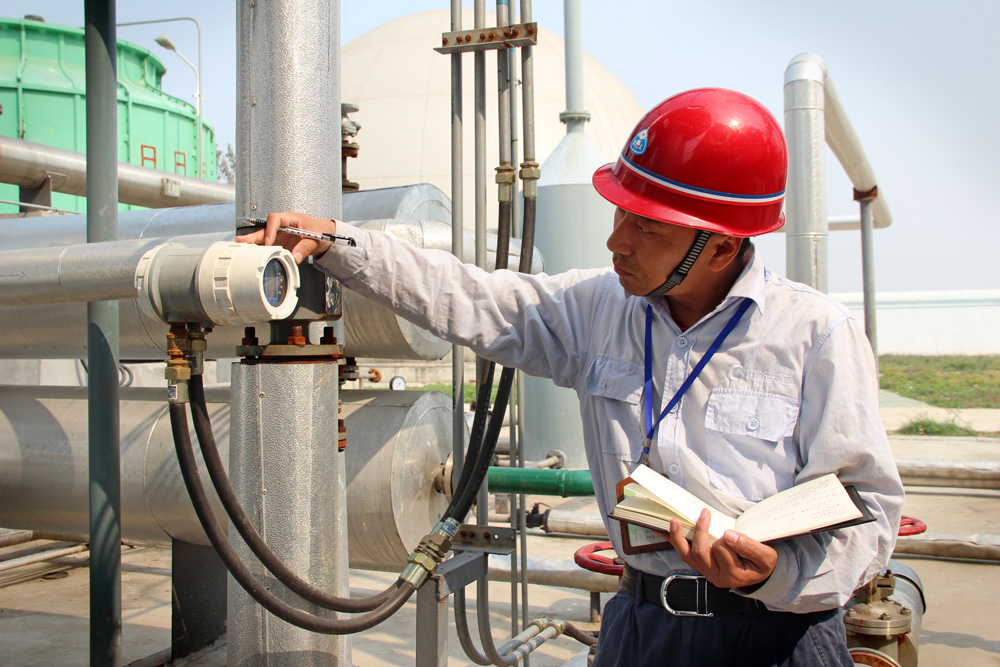
XIANGYANG, China – This factory located in a quiet island of central China’s Xiangyang city probably won’t grab your attention. Its stainless steel complex and three-story office building look similar to any other. But don’t be fooled by appearances. The plant here holds a secret that has lured more than 100 Chinese mayors to pay their respects and uncover how they can replicate its success.
-
When Climate Change Exacerbates Conflict, Women Pay the Price, Says Mayesha Alam
›Climate change has the potential to exacerbate conflict and political instability, and women will pay a steeper price than their male counterparts when it does, says Mayesha Alam, associate director of the Georgetown Institute for Women, Peace, and Security, in this week’s podcast. -
Feeding the Future? A Closer Look at U.S. Agricultural Assistance in Tanzania
›May 11, 2016 // By Haodan "Heather" ChenBetween 2010 and 2015, Tanzania received more than $320 million in assistance via the U.S. government’s Feed the Future Initiative – the most of any country. But despite these commitments and an average of six to seven percent annual economic growth since 2000, Tanzania did not meet the first Millennium Development Goal: to reduce hunger and extreme poverty by half by the end of 2015.
-
Why Do Land Grabs Happen? Because They Can
›May 9, 2016 // By Michael KugelmanIn January, over the objections of indigenous groups that live there, the government of Ecuador sold oil exploration rights to 500,000 acres of the Amazon to a consortium of Chinese companies. Whenever we hear about stories like this, there is a tendency to think: How can this happen? How can obscenely rich investors run roughshod over the land, livelihoods, and rights of impoverished local communities, and with utterly no consequences?
-
Pathways to Resilience: Evidence on Links Between Conflict Management, Natural Resources, and Food Security
›In 2015, the NGO Mercy Corps released some surprising findings from conflict management programs in the Horn of Africa. Interventions from 2013 to 2015 focused on building community-level cooperation, strengthening institutions, and enhancing resilience. The results indicate that natural resource management can be a key governance pillar to build around and that such cooperation can strengthen household resilience to climate and food security shocks. [Video Below]
-
Carlos Manuel Rodriguez, Human Nature
Murders of Environmental Activists Reflect Chronic Clashes Over Resource Use
›April 4, 2016 // By Wilson Center StaffWhen I heard of the horrific murder of Berta Cáceres, a Honduran environmental activist who had spent years fighting to protect her community’s traditional lands, I was shocked – though perhaps I shouldn’t have been.
-
Sharon Burke on How the U.S. Military Is Planning for Climate Change
›Climate change is impacting the U.S. military in two major ways, explains Sharon Burke in this week’s podcast.
Showing posts from category land.
 Climate change has the potential to exacerbate conflict and political instability, and women will pay a steeper price than their male counterparts when it does, says Mayesha Alam, associate director of the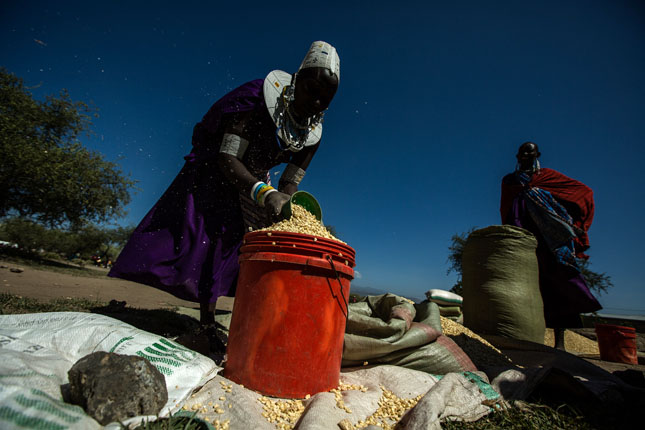
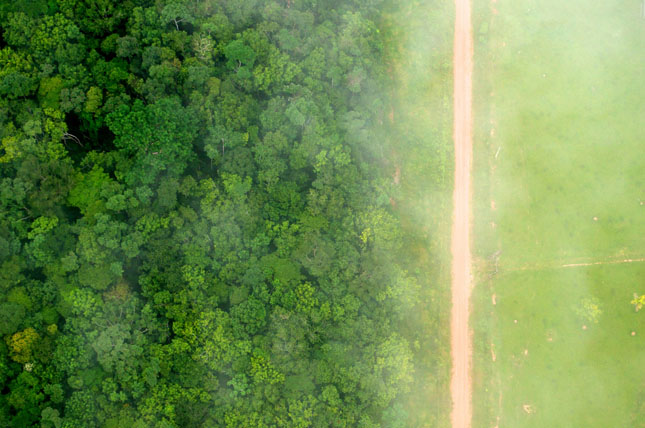
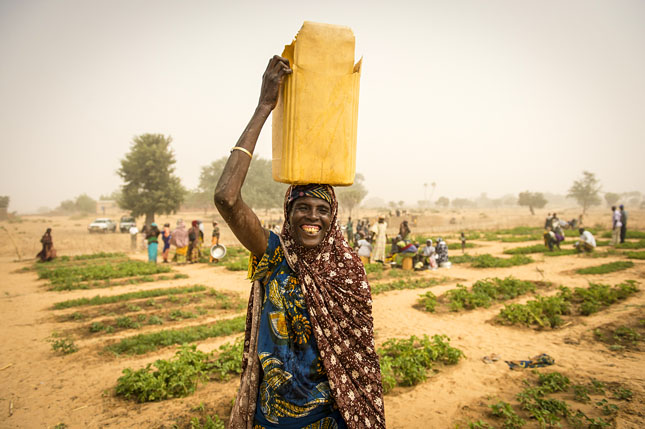

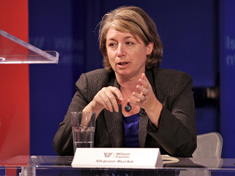 Climate change is impacting the U.S. military in two major ways, explains Sharon Burke in this week’s podcast.

