-
Can China Help Indonesia Shift Gears on Electric Two-wheelers?
›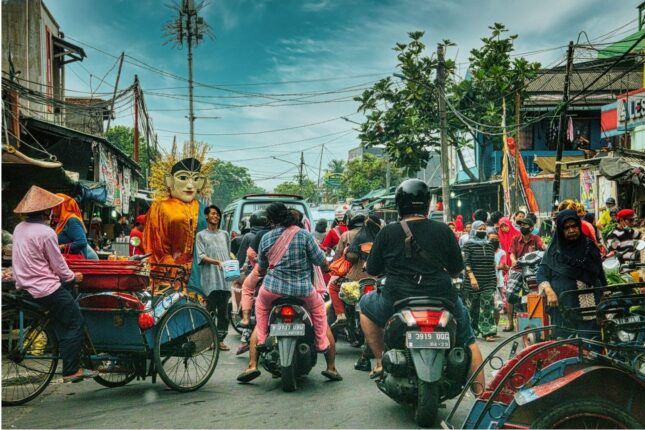
Indonesia produces more than half of the world’s nickel output – a critical component in batteries for four- and two-wheel electric vehicles (EVs). Mostly Chinese-owned smelters work around the clock in Sulawesi to process the nickel ore and ship it across the globe. Indonesia’s resource nationalism – the government policy banning ore exports and forcing domestic processing appears to have worked well – but only in the upstream segment of the supply chains.
-
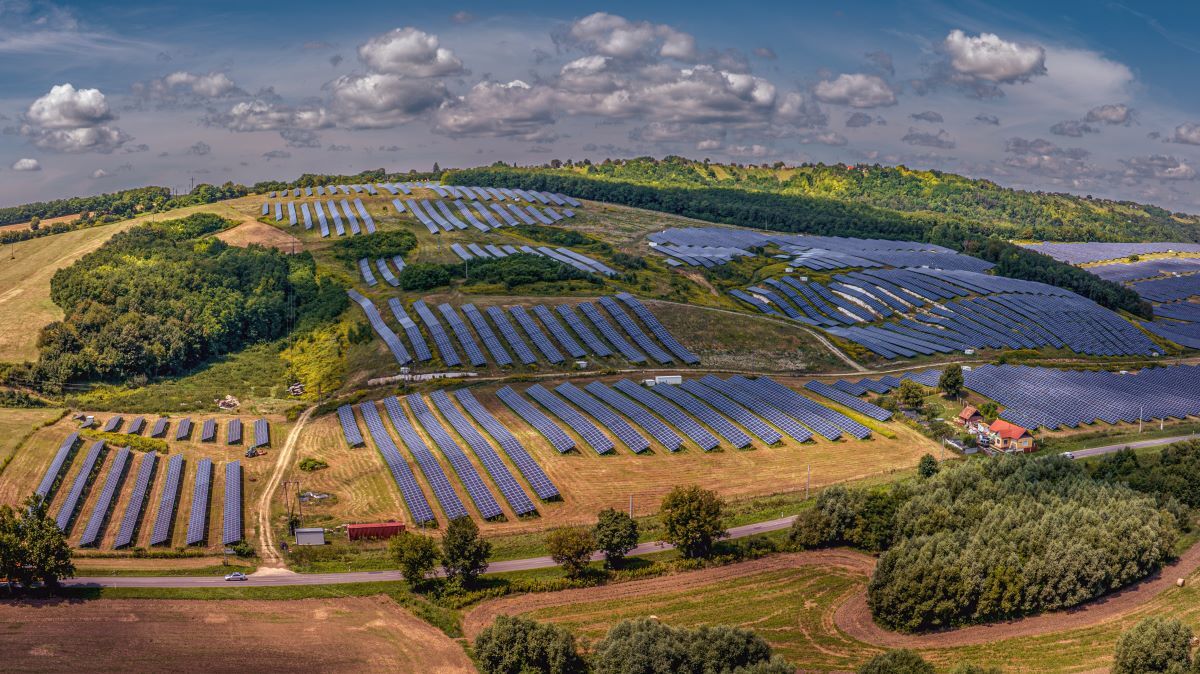
China Taps Indonesia’s Solar Potential
›
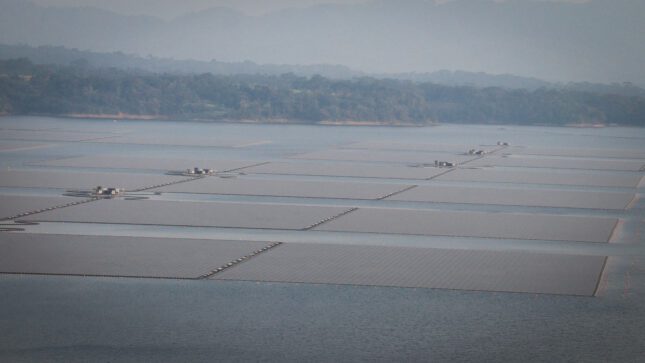
In late 2023, Indonesia’s then President Joko Widodo presided over the launch of the country’s first floating solar power plant on the Cirata reservoir in West Java. Widodo touted how at 192MW it was “the largest floating solar plant in Southeast Asia.” He added the solar plant could eventually reach 500MW, generating enough electricity to power over 100,000 households in Indonesia. This floating powerhouse, made up of 300,000+ Chinese-built PV panels stretching 250 hectares on the water, has become the poster child for Indonesia’s commitment to going solar.
-
What Asia Can Learn from Ukraine’s Quest for Energy Security
›December 2, 2025 // By Angeli JuaniWithin a month of escalated Russian airstrikes on its energy systems in October, Ukraine secured U.S. liquified natural gas (LNG) imports via Greece for the coming winter. While this deal demonstrated both the nation’s rapid wartime agility and capacity for energy diversification, it is only one part of a broader transformation of Ukraine’s energy future.
-
Energy Security and Global Climate: How India Navigates Middle East Volatility
›The recent conflict between Iran and Israel, as well as Iran’s threat to close the Strait of Hormuz, have done more than starkly expose the risks of geopolitical instability in the Gulf. It has also underscored the vulnerability of India’s energy security due to its heavy reliance on fossil fuel imports, and particularly crude oil transiting through the Strait of Hormuz.
-
The Global Energy Transition Is About Securing the Future, Not Managing Decline
›November 5, 2025 // By Lauren Herzer RisiThe global energy transition is often framed as a balancing act between climate commitments on one hand, and sufficient energy and economic security on the other. That framing assumes the transition will mean less: less energy, less growth, and a steady decline in fossil fuel use. But this rhetoric is, as Ambassador Anthony Agotha put it at last month’s Berlin Climate Security Conference a “false choice.”
-
Environmental Security Weekly Watch: October 13-17, 2025
›A window into what we’re reading in the Stimson Center’s Environmental Security Program
Assessment of UNESCO Sites Reveals Climate Impacts (Mongabay)
Initial data from the first ever global biodiversity and climate assessment indicates that 98% of UNESCO’s 2,200+ World Heritage Sites, Biosphere Reserves, and Geoparks have experienced at least one climate-related extreme event since 2000, including massive wildfires, droughts, and retreating glaciers. The effort to track such effects will now be augmented by UNESCO’s new Sites Navigator, a geospatial platform that integrates over 40 datasets to track climate impacts, biodiversity loss, and socioeconomic conditions in real time.
-
Environmental Security Weekly Watch: October 6-10, 2025
›A window into what we’re reading at the Stimson Center’s Environmental Security Program
“Intractable” systemic problems mean carbon offsets fail to cut global heating (The Guardian)
A recent review of 25 years of evidence found that carbon credit quality issues stem from deep-seated structural flaws, and not isolated cases of fraud. Researchers point to four major flaws that undermine most carbon offset projects. The worst problems include issuing credits for already-planned projects, impermanent solutions (forests that later burn), incidences of leakage (such as protecting one forest area while pushing logging elsewhere), and double-counting which allows both seller and buyer to claim the same emission reduction.
-
China’s Off-grid Solar Home Systems Light Up Lives in Sub-Saharan Africa
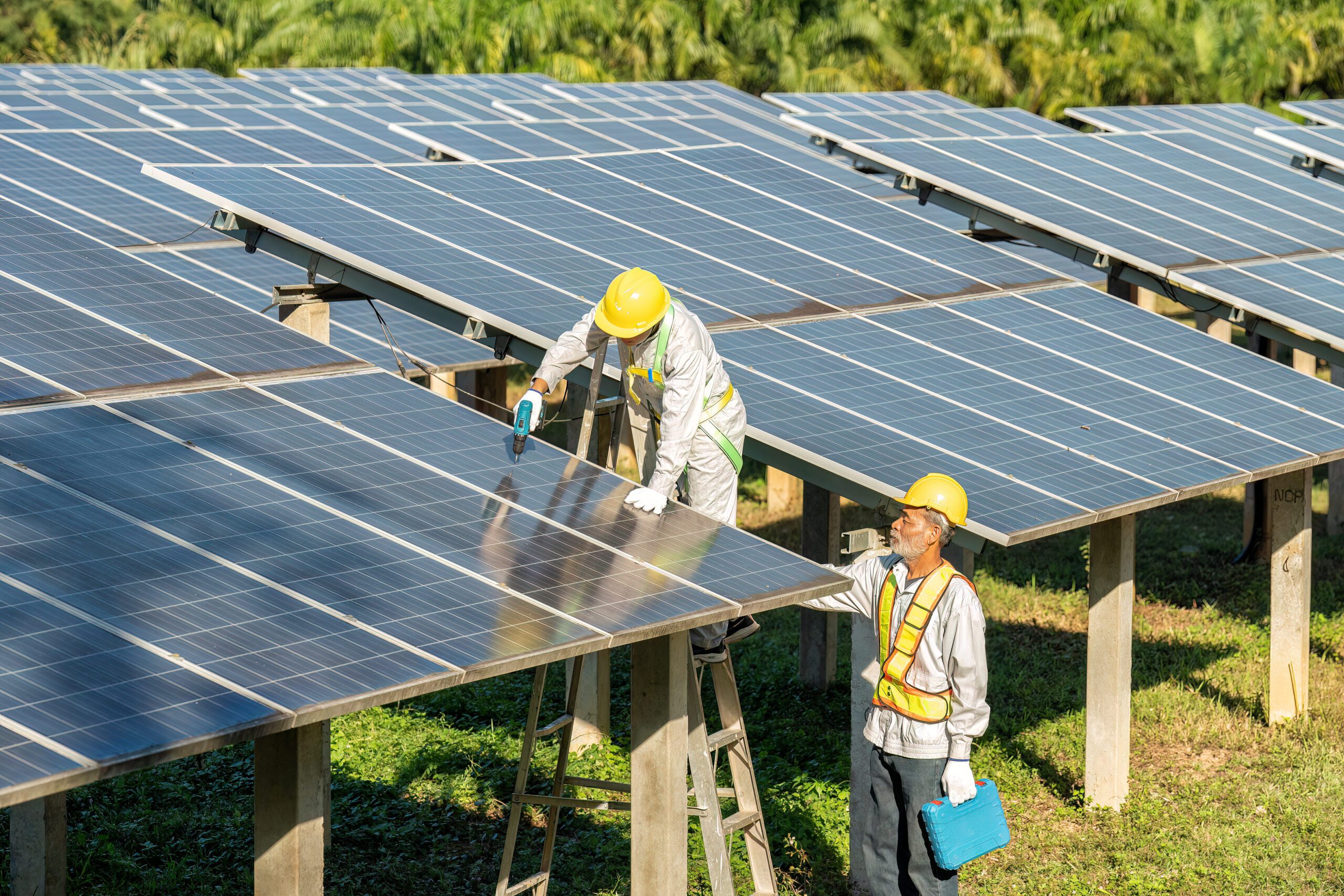
›China and the Global Energy Transition // China Environment Forum // Guest Contributor // July 10, 2025 // By Charles MpakaIn a rural, hard-to-reach area of Blantyre district in southern Malawi, Ephraim Louis cannot imagine where his life would be without the solar panel on the roof of his house. “I am not a captive of darkness anymore,” says Louis, 42. “It’s been more than 10 years since I installed this [solar panel] system. We still don’t have the main grid anywhere near us and no one here thinks it will ever come.”
Showing posts from category just energy transition.