-
Ruth Greenspan Bell, Foreign Affairs
What Will It Take to Break the Climate Gridlock? Learning From Iran and Cuba
›September 29, 2015 // By Wilson Center Staff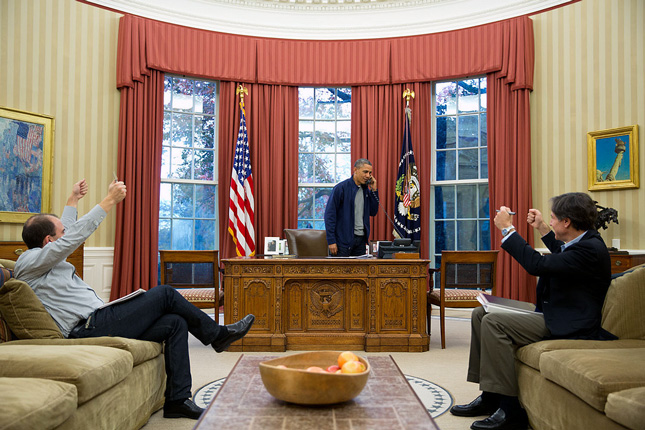
United States President Barack Obama invested four years and his top diplomats in containing Iran’s nuclear capabilities. He did this because an armed Iran is an existential threat to its neighbors, its region, and the world. Obama’s efforts in the talks stand in marked contrast to those geared toward addressing an even bigger and longer-term existential threat – containing climate change. The conditions that allow humans to survive, evolve, and thrive on earth are being compromised; radical changes in the climate promise a very uncertain future.
-
Andrew Revkin, Dot Earth
As Pope Francis Meets America, a Climate Science Scholar Offers a Fresh View of the Encyclical
›September 23, 2015 // By Wilson Center StaffAs Pope Francis gets into high gear on his visit to the United States, it’s worth reviewing details and contexts in the extraordinary message to Catholics and the rest of the planet in “On Care for Our Common Home,” the encyclical he issued earlier this year.
-
From Gaza to the Euphrates, Alarm Bells for Mideast Water Resources
› The board of the United Nations’ lead organization on trade and development, called UNCTAD, released an assessment of Gaza’s development challenges during their annual meeting in Geneva this month and the news is not good. In 2012, the UN warned that a “herculean” development effort would be to keep pace with Gaza’s rapid population growth. Since then, more fighting with Israel has made things worse, particularly with regard to water and food security. Ninety-five percent of the water from Gaza’s coastal aquifer is unsafe for drinking without treatment, the report says. Contamination and over-extraction may even render it unusable by next year and damage may be irreversible if not addressed in the next five years.
 -
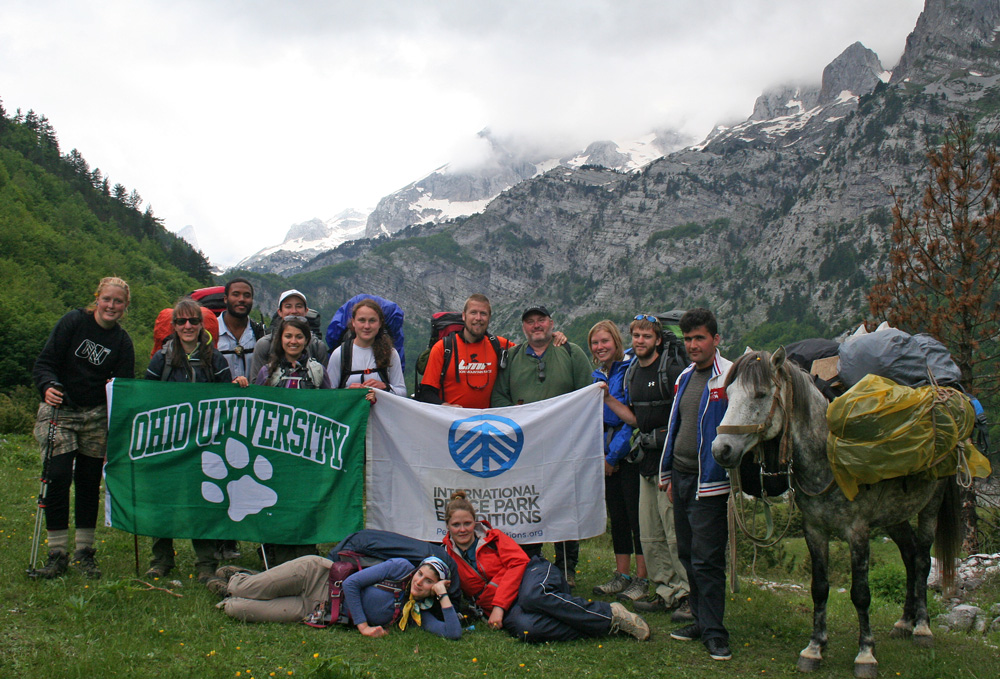
Peace Park Expedition to Balkans Reveals Tensions Over Development, Rule of Law for New Governments
›One of the last biodiversity hotspots in Europe was also backdrop to one of its last violent conflicts and now home to its newest nation states. The Prokletije/Bjeshket e Nemuna Mountains, often referred to as the Southern Alps, are a large expanse of wilderness and stunning alpine landscapes that form the border between Montenegro, Albania, and Kosovo. Three national parks share borders and form a patchwork of protected land that could be the basis for an international peace park – a shared resource that could promote cross-cultural exchange collaborative natural resource management, and eco-tourism.
-
John Furlow on Better Coordination for Better Climate Adaptation
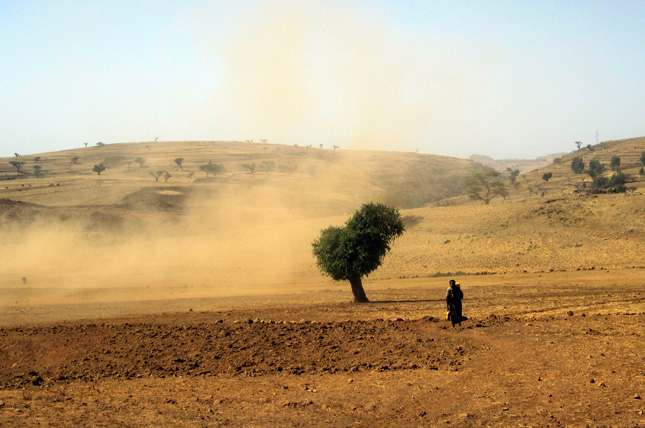
›“We [need to] stop treating ‘adaptation’ like a sector,” says John Furlow, climate change specialist at the U.S. Agency for International Development (USAID), in this week’s podcast, “but start treating it as a stress or a risk that undermines the development sectors, the environmental sectors, the social sectors that we care about.” -
Angola’s Oil-Soaked Kleptocracy Is an Empire Built on Inequality
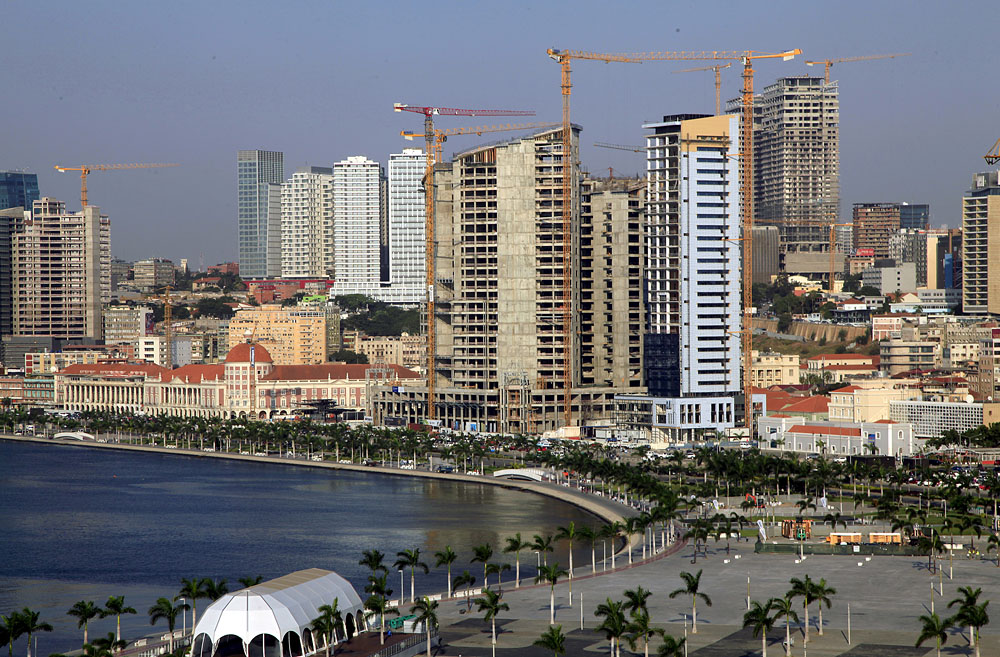
›August 26, 2015 // By Josh FengIsabel dos Santos, the daughter of Angolan President José Eduardo dos Santos and the richest woman in Africa, owes her wealth to the oil industry. Delfina Fernandes, a woman living in abject poverty in the village of Kibanga, uses gasoline as an anesthetic to dull the sheering pain of her rotting teeth.
-
Heather McGray & Kathleen Mogelgaard, World Resources Institute
Not Just Mitigation: National Climate Plans Raise Adaptation’s Profile
›August 13, 2015 // By Wilson Center StaffAs the world prepares for a pivotal climate conference in Paris this December, countries are offering their national plans to tackle a changing climate. These plans, known as intended nationally determined contributions (INDCs), contain details of what each country is prepared to do as part of a new global climate agreement. While the public focus is often on mitigation – how much countries are willing to reduce emissions, by when, and with what degree of transparency – adaptation to the impacts of climate change demands the same level of attention. In fact, the last round of international climate talks in Lima invited parties to include adaptation in their INDCs.
-
Who Benefits From REDD+? Lessons From India, Tanzania, and Mexico
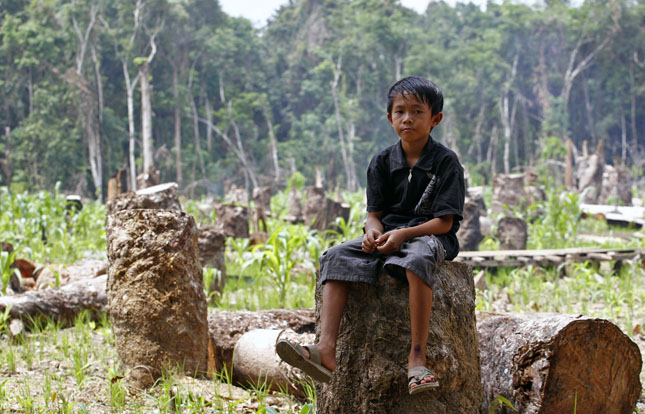
›REDD+, a global framework designed to reward governments for preserving forests, has pledged nearly $10 billion to developing countries. But minorities, indigenous people, the poor, and other marginalized groups that live in forest areas often end up paying more than their fair share of the costs of environmental cleanup and conservation while getting less in return. What can be done to change this?
Showing posts from category international environmental governance.
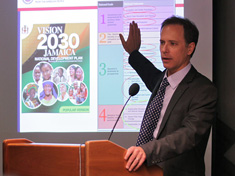 “We [need to] stop treating ‘adaptation’ like a sector,” says John Furlow, climate change specialist at the U.S. Agency for International Development (USAID), in this week’s podcast, “but start treating it as a stress or a risk that undermines the development sectors, the environmental sectors, the social sectors that we care about.”