-
After Paris, What’s the Status of “Environmental Refugees?”
›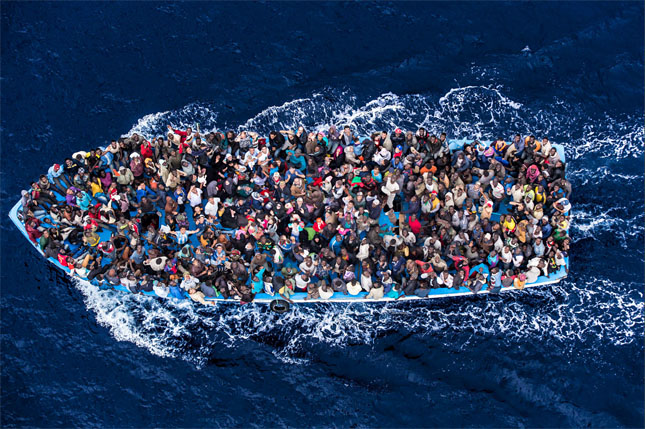
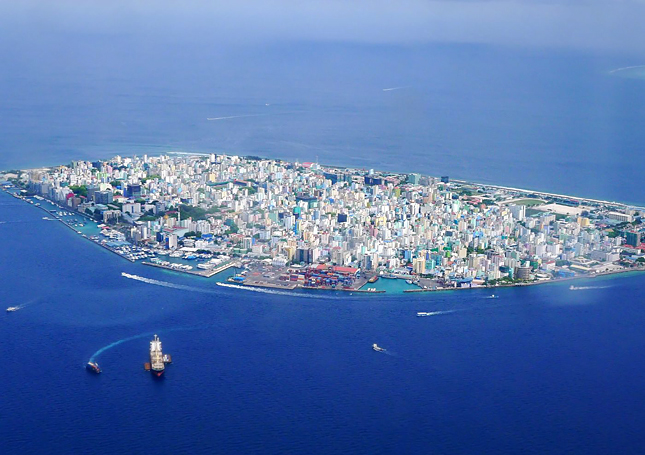
One of the hidden costs of climate change is the displacement of millions of people in some of the poorest regions of the globe. The existing international refugee regime is ill-suited to cope with those seeking refuge from environmental disasters. Countries must get serious about developing coordinated plans to address the issue, lest they be caught by surprise when another humanitarian crisis hits.
-
Missing the Big Picture in Challenging Africa’s “Land Grab” Narrative
›
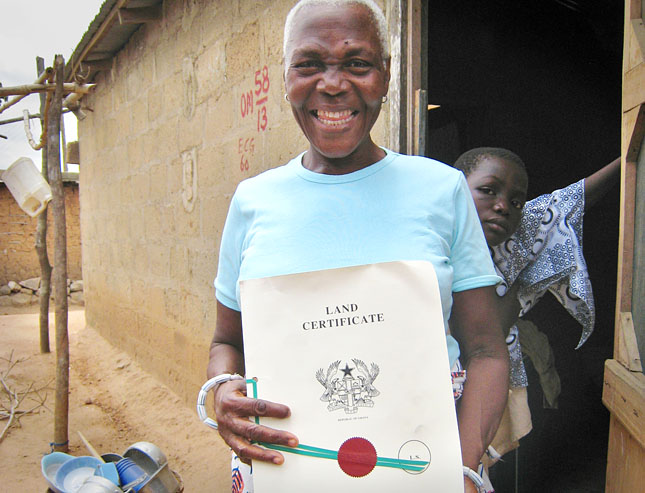
Who walks away from fertile agricultural land available to lease for as little as $1 per year per hectare? Recent reports indicate international investors are doing just that across sub-Saharan Africa.
-
Modi’s Grand Plan to Divert Himalayan Rivers Faces Obstacles
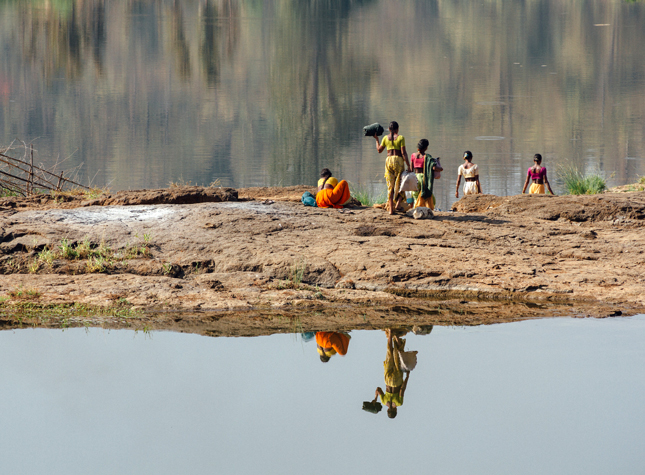
›One of Prime Minister Narendra Modi’s first priorities after winning an overwhelming victory last year on a platform of development and growth is to fast-track a decades-old plan to link India’s rivers.
-
8 Takeaways From the Paris Climate Change Conference
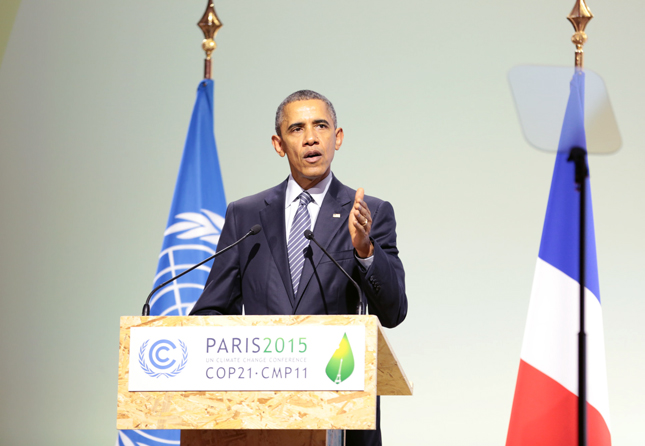
›The nations of the world may have finally solved the thorniest problem in international relations and now we need to figure out practical solutions, said a panel of experts at the Wilson Center on December 16.
-
Tracking National Security in the Paris Outcome
›Security was inseparable from the climate talks in Paris, from the safety of conference participants to how climate change impacts the stability of nations.
-
Islands in Paris: New Climate Deal Gives Some Recognition to Humanity’s Truth Bearers
›December 16, 2015 // By Roger-Mark De SouzaThe new climate deal coming out of Paris commits governments to hold the rise in average global temperatures to “well below” two degrees Celsius compared to preindustrial levels. An important dimension of this agreement calls for subsequent work on limiting the increase to 1.5 degrees. This is an important win for islands and other low-lying countries, and for humanity.
-
Ruth Greenspan Bell and Barry M. Blechman, Foreign Affairs
Turning Down the Heat: Progress in the Fight Against Climate Change
›November 24, 2015 // By Wilson Center StaffLast week, at a meeting of the Organization for Economic Cooperation and Development in Paris, the United States, Japan, and several other nations reached an agreement that will restrict financing for overseas coal projects. The deal will limit investment in the dirtiest, coal-fired power plants but will allow some continued investment in more efficient coal technology. Japan is one of the major sources of finance for the coal industry, so the agreement is an important moment in the effort to reduce global emissions.
-
In Shenzhen, Tracking the Early Steps of China’s Carbon Pivot
›SHENZHEN, China – To some extent, the contemporary industrial age is a global narrative of substance abuse and recovery.
Showing posts from category international environmental governance.