-
Africa’s Regional Powers Are Key to Climate Negotiations – But Will They Cooperate?
›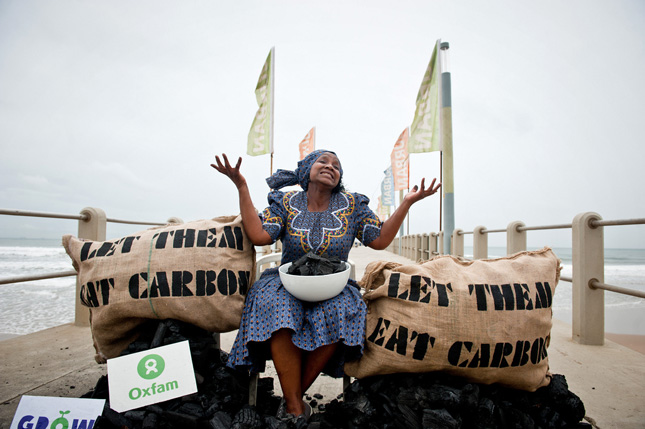
Most African states are more vulnerable and less prepared to address climate change challenges than the rest of the world. This observation is supported by a wide variety of sources, including the Climate Vulnerability Index and the Notre Dame Global Adaptation Index. And in fact Africans and their political leaders frequently observe that this crisis, manufactured in the developed world, disproportionately affects their continent. During a meeting of the African Union in 2007, Ugandan President Yoweri Museveni called climate change “an act of aggression” by the rich against the poor.
-
Deep Trouble: Emerging Resource Competition in the Deep Sea
›
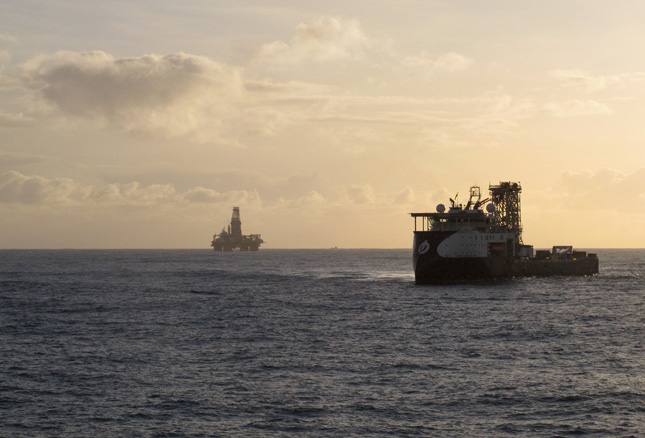
It might seem strange to say that the deep sea, the vast expanse of the world’s oceans beyond the continental shelf, is at risk of conflict and competition. After all, no one lives there, and as is often said, more is known about the surface of the moon than most parts of the ocean floor. But the fact is, even the cold, dark reaches of the ocean are no longer immune to resource competition between the world’s major powers.
-
Rowand Jacobsen, Ensia
Can New Water Tech Help Reduce Conflict in Middle East?
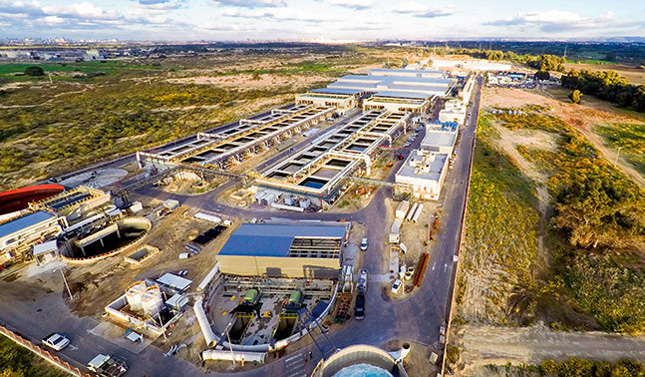
›August 9, 2016 // By Wilson Center StaffTen miles south of Tel Aviv, I stand on a catwalk over two concrete reservoirs the size of football fields and watch water pour into them from a massive pipe emerging from the sand. The pipe is so large I could walk through it standing upright, were it not full of Mediterranean seawater pumped from an intake a mile offshore.
-
Justice and Contemporary Climate Relocation: An Addendum to Words of Caution on “Climate Refugees”
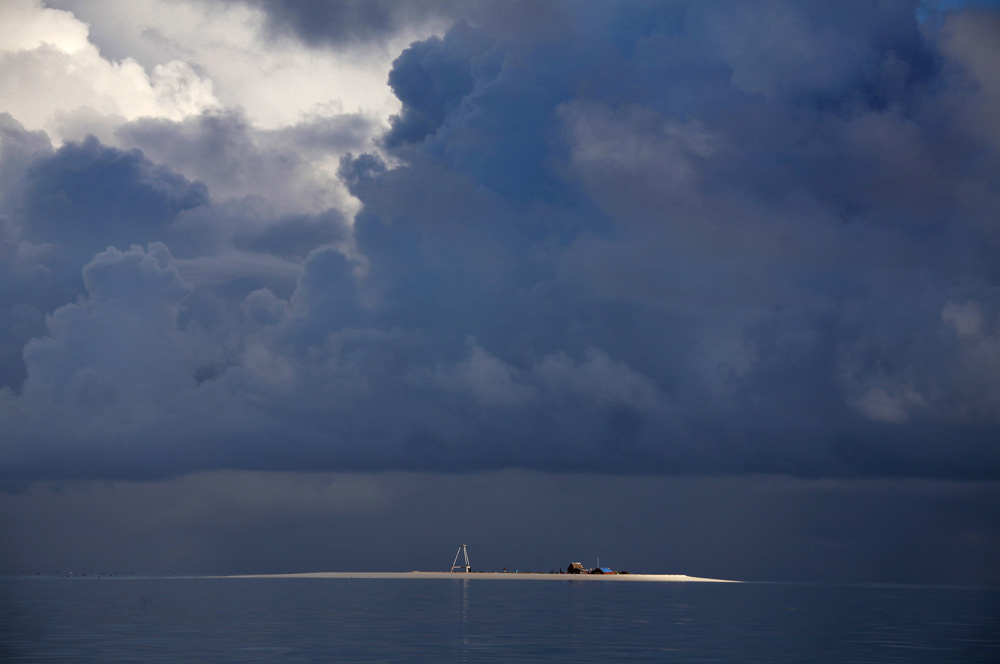
›The idea that climate change is causing migration and displacement is entering the mainstream, but experts have warned against using the term “climate refugees” to describe what we’re seeing in small islands, coastal regions, and even conflict zones like Syria.
-
Tracking Illegal Fishing in West Africa, and Improving Soil Data to Better Model Climate Effects
›Overfishing by foreign fleets in West Africa is leading to devastating social and economic consequences. In a report from the Overseas Development Institute, an independent think tank based in London, researchers use satellite data to assess the scale of two kinds of illegal, unreported, and unregulated fishing: “reefers,” or large-scale commercial vessels receiving and freezing fish at sea and at port, and large refrigerated container ships that are registered in countries with less stringent enforcement regulations than that of the ship’s owners. -
Governance in Focus: Insights from the International Expert Forum on Climate Change and Conflict
›The International Expert Forum (IEF) is a series of seminars meant to facilitate dialogue between experts and policymakers on peace and security. Meeting in Stockholm this past May, the forum explored the connections between environmental issues, peacebuilding, and conflict while considering how environmental governance can aid in peacebuilding. The summary brief produced after the forum provides a useful snapshot of a fast-changing field of study.
-
A Matter of Perspective: Astronaut Susan Helms on Seeing Humanity’s Impact From Space
›Susan Helms is a former NASA astronaut and retired member of the United States Air Force. During her time in the military, Helms flew over 30 different types of aircraft and received four Legion of Merit awards and three Defense Superior Service medals. She also holds the record for longest space walk and spent over 5,000 hours in space. She retired in 2014 with the rank of lieutenant general and now serves on the Wilson Center Board of Trustees. What did she learn over the course of such a distinguished career, much of it spent miles above the ground?
-
Human Rights and the Environment: How Do We Do Better?
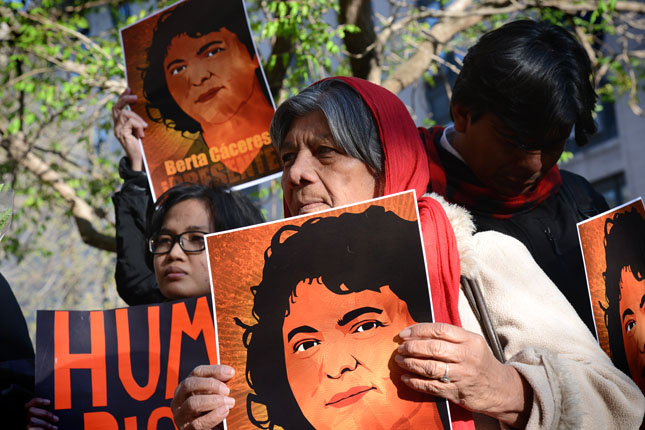
›2015 was a deadly year for environmental activism. According to Global Witness, 185 activists were killed, a 60 percent increase from 2014. Of the victims, 40 percent were indigenous people, like Berta Cáceres, who spoke at the Wilson Center last year and was shot and killed in her home in Honduras this March. [Video Below]
Showing posts from category international environmental governance.