-
Vanessa Nakate on Giving Weight to the Voices of Those Most Affected by Climate Change
› “We need to give more weight to the voices of people who are most affected by climate change,” says Vanessa Nakate, a prominent Ugandan climate activist, in this week’s Friday Podcast. At the local, regional, and global levels, Nakate’s work sheds light on the imperative for policymakers to value the lived experiences of oft-overlooked groups such as women, youths, and citizens of developing nations. “When I talk about climate justice, it is not something that I want for the future—it is something that I want right now, because our present is catastrophic,” she says.
 -
“An Idea Born of Desperation”: Simon Nicholson on Solar Radiation Management
›“If solar radiation management were done well—that is, the science is right, the engineering is right, and the policy and governance frameworks around all of the stuff work—then solar radiation management could be a really important, positive contribution to humanity’s responding to climate change,” says Simon Nicholson, associate professor at American University’s School of International Service and co-founder of the Forum for Climate Engineering Assessment in this week’s Friday Podcast interview with ECSP senior advisor and Ohio University professor, Geoff Dabelko. “But, there are all kinds of risks associated with this endeavor.” -
New Constitution Could Help Chile Avert the Lithium Curse
›December 3, 2020 // By Matthew Gallagher
Chile is on the cusp of a new era. Just as its lithium—a common element of energy storage technology, which is itself a critical component of the clean energy transition—is experiencing a rise in global market demand, Chilean citizens have called for a new constitution.
-
21st Century Diplomacy: Foreign Policy is Climate Policy (Report & Project Launch)
›Climate change will upend the 21st century world order. It will redefine how we live and work, and change the systems of production, trade, economics, and finance. Even now, in the midst of a global pandemic, it is clear that climate change will be the defining issue of this century. In fact, COVID-19 has only underscored the inadequacy of our responses to global crises and heightened the urgency of this call to action. 21st century diplomacy will have to raise climate ambition, shape the transformative systems change needed, and promote and facilitate new modes of multilateral collaboration.
-
Many Companies Struggle to Comply with Conflict Mineral Reporting Rules
›“The exploitation of the mining and trade of conflict minerals in the eastern DRC [Democratic Republic of the Congo] has contributed to instability, violence, displacement of people, and severe human rights abuses,” says the Government Accountability Office (GAO) in its annual report, Conflict Minerals: Actions Needed to Assess Progress Addressing Armed Groups’ Exploitation of Minerals. The report examines a sample of filings from 1,083 companies that submitted conflict mineral disclosures required by the Securities and Exchange Commission (SEC) in 2019.
-
Protecting Brazil’s Forests Could Boost Economic Development
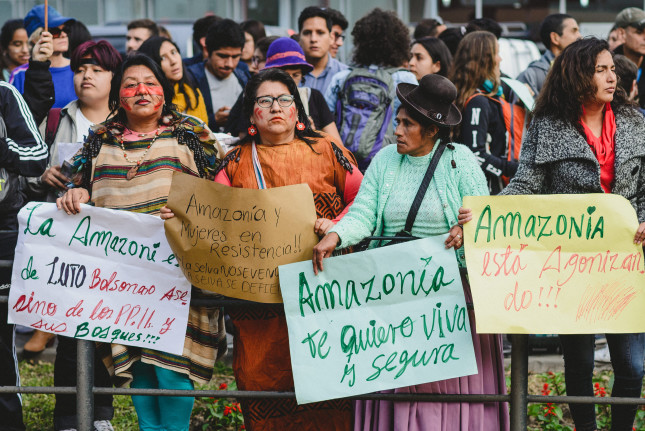
›The dry season returned to Brazil’s Amazon region in late July—and with it, forest fires, largely human-made. After making substantial progress in reducing deforestation in the 2000s and early 2010s, Brazil has reversed course and deforestation is rising. In the Amazon, this season has been the worst in more than a decade in number of fires, and second worst in terms of total deforestation, according to satellite data from Brazil’s National Institute of Space Research (INPE), which monitors the situation.
-
Fair Trade Seeks a Foothold in Artisanal Gold Mining
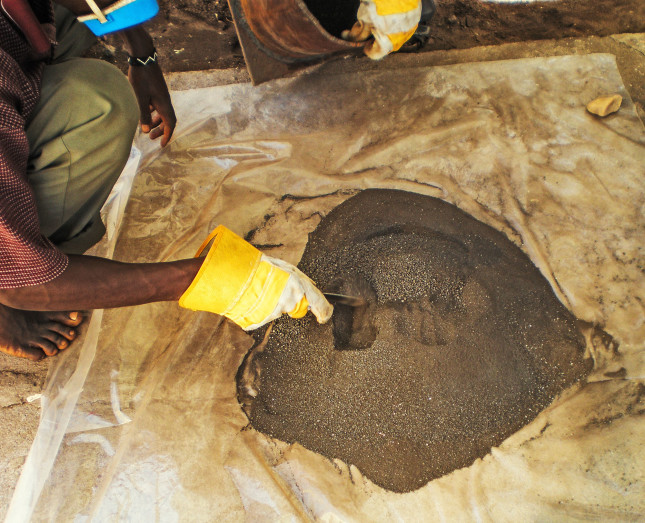
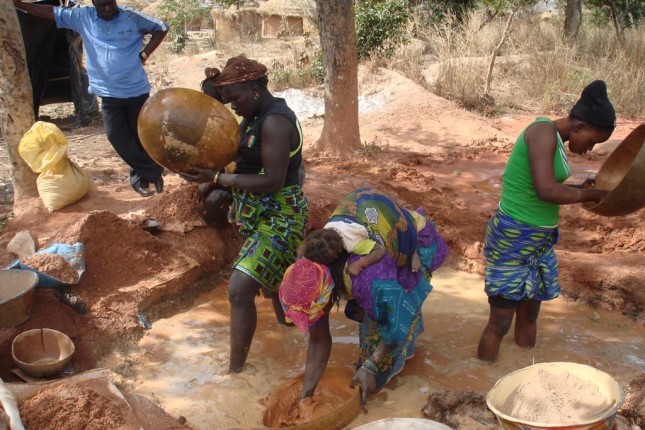
›COVID-19 isn’t the only problem going viral. Economic insecurity is driving gold prices to record highs around $1,700 per ounce, causing levels of global mercury pollution to rise too. In the United States coal-fired power plants drive mercury pollution, but globally, the leading cause is small-scale ‘artisanal’ gold mining. Roughly 30 million men, women, and children in poor countries depend on mining for subsistence incomes. Unfortunately, the cheapest and easiest way to mine gold uses mercury, a highly toxic heavy metal the United Nations is striving to eliminate.
-
Water for the Most Vulnerable Could Help Stop Spread of Covid-19
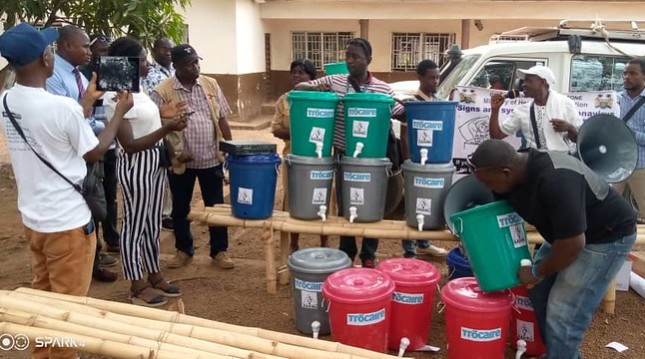
›Development specialists are sounding the alarm. The pandemic will not be stopped unless we provide safe water to the world’s most vulnerable people, according to UN experts. Soap and clean water are part of the arsenal of weapons we can deploy on the frontlines of the battle to halt the virus’ spread. Yet Covid-19 continues to pose an unprecedented threat to more than 2 billion of the world’s poorest people who lack the access to safe water, sanitation, and health services (WASH) needed to protect them during infectious disease outbreaks, according to the World Health Organization.
Showing posts from category international environmental governance.
 “We need to give more weight to the voices of people who are most affected by climate change,” says Vanessa Nakate, a prominent Ugandan climate activist, in this week’s Friday Podcast. At the local, regional, and global levels, Nakate’s work sheds light on the imperative for policymakers to value the lived experiences of oft-overlooked groups such as women, youths, and citizens of developing nations. “
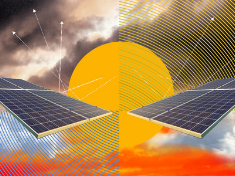 “If solar radiation management were done well—that is, the science is right, the engineering is right, and the policy and governance frameworks around all of the stuff work—then solar radiation management could be a really important, positive contribution to humanity’s responding to climate change,” says Simon Nicholson, associate professor at American University’s School of International Service and co-founder of the