-
Before the Waters Rise: Nigeria’s Predictable Flood Crises
›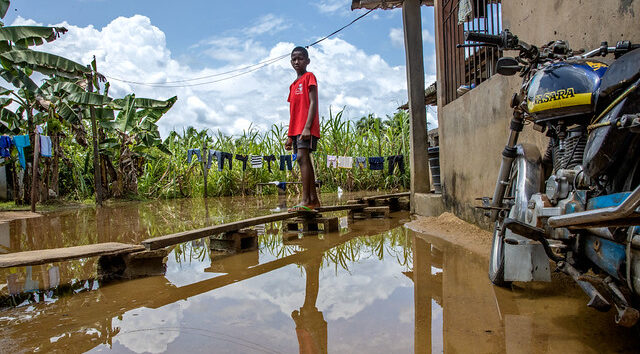
Devastating floods in Mokwa, a rural town in Niger State, claimed lives and destroyed homes and livelihoods in May 2025, and displaced many other residents as well. Yet, in Nigeria today, such flooding has become a predictable seasonal emergency. The real questions each year are not whether such floods will occur, but where they will happen—and if public institutions will act in time to prevent the next deluge from becoming yet another tragedy.
-
Environmental Security Weekly Watch: March 30-April 3, 2026
›
A window into what we’re reading at the Stimson Center’s Environmental Security Program
Experts Sound Alarm Over Peru-Brazil Biooceanic Railway Risks (Mongabay)
A proposed railway linking Peru’s Pacific coast to Brazil’s Atlantic is drawing alarm from conservation experts and Indigenous rights advocates. Brazil and China signed a feasibility study agreement for new route crossing both the Andes and the Amazon rainforest in July 2025, with China playing a central role in financing and development. Two alternatives are under consideration, with one running through Peru’s Ucayali region and the other through Madre de Dios, but neither has been approved. A single line could impact 15 protected natural areas, threatening over 1,800 campesino communities, as well as territories inhabited by Indigenous peoples in voluntary isolation.
-
In Context: Erika Weinthal and Jeannie Sowers on the Middle East Conflict’s Impacts on Civilian Infrastructure
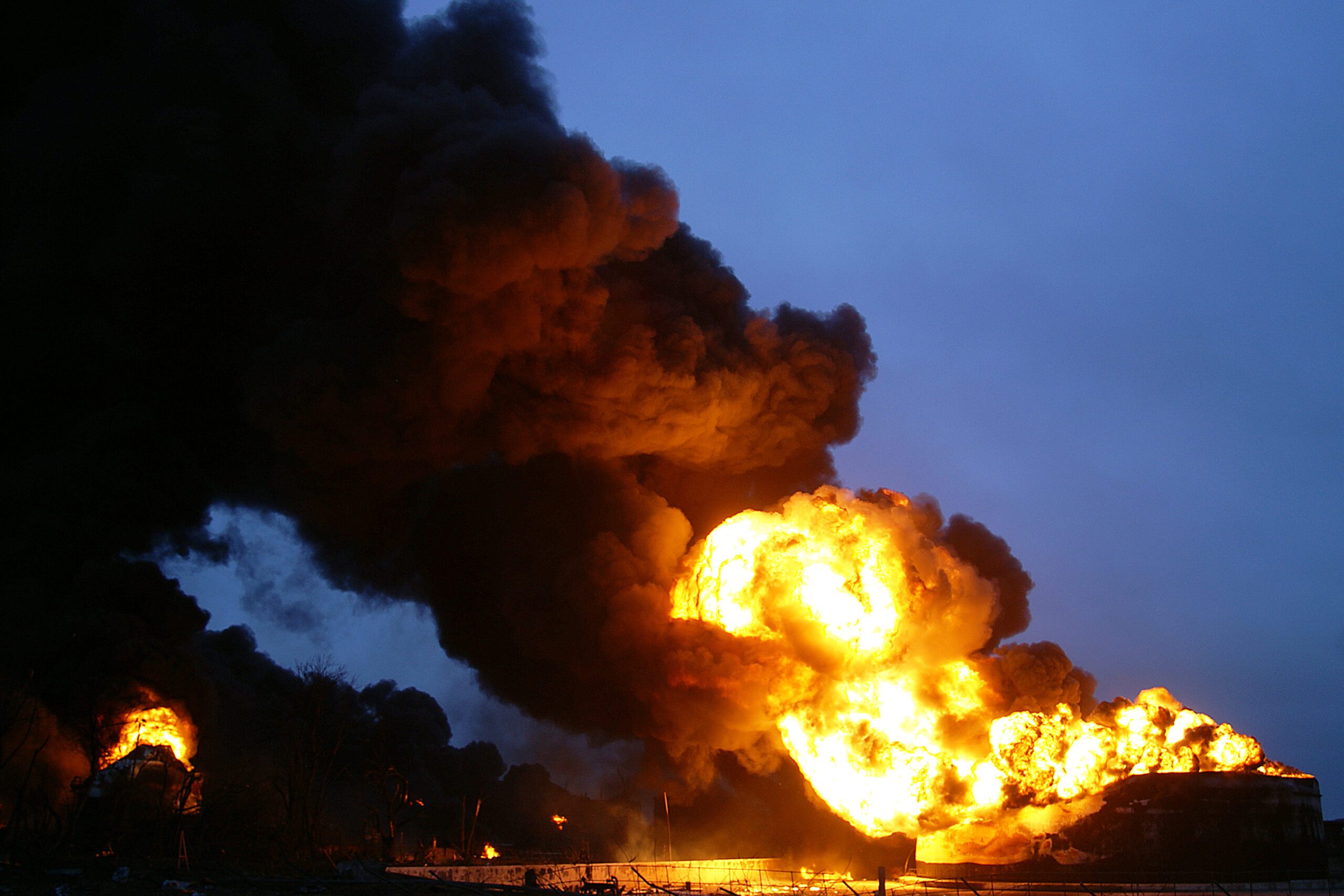
›Recent attacks on critical infrastructure in Iran and the Persian Gulf mark a troubling escalation in the widening regional conflict. Since the U.S. and Israel launched a bombing campaign against Iran on February 28, Iran has responded with waves of missiles and drones targeting Gulf states across the region. Last weekend, both sides crossed a new threshold by striking civilian water and energy infrastructure. U.S. strikes allegedly hit a desalination plan on Iran’s Qeshm Island; Iran retaliated with a drone strike on a desalination plant in Bahrain; and Israeli airstrikes on fuel depots sent toxic smoke across Tehran.
-
Current Geopolitics Shift Deep-Sea Mining Debates
›This article was originally published as a commentary by the Stimson Center.
If anyone needed a signal of global interest in critical minerals and supply chains, the events in Washington D.C. earlier this month offered a clear one. In the midst of questions about the reliability of U.S. partnerships, uncertain tariff policy, and rhetoric around annexing Greenland, 54 countries and the European Union came together in D.C. at the Critical Minerals Ministerial to seek deeper collaboration to secure critical minerals supply chains and de-risk from China’s influence.
-
Environmental Security Weekly Watch: February 2-6, 2026
›A window into what we’re reading at the Stimson Center’s Environmental Security Program
Final Version of Global Critical Minerals Treaty Stripped of Traceability Measures (Mongabay)
At the seventh U.N. Environment Assembly in December 2025, Colombia and Oman jointly proposed a legally binding international treaty to create traceability and due diligence mechanisms across global mineral supply chains. Their proposal faced resistance from multiple countries including Saudi Arabia, Russia, Iran, Chile, and Uganda, and ultimately resulted in a watered-down nonbinding resolution on mineral governance that excluded traceability provisions entirely.
-
Can Climate Security Survive the Crisis of Multilateralism?
›Multilateralism is under threat, as many global powers increasingly choose to center their security priorities around defense and economic competition over international cooperation. This shift toward short-term national interests risks undermining progress on joint challenges, including climate change, peace and justice. What will be lost if the climate security agenda becomes a battlefield of competing interests? How can peacebuilding and development actors respond?
-
Water Cooperation is Under Threat
›Rivers, lakes, and aquifers ignore borders and politics, binding countries, people, and ecosystems together. This shared reality has long required cooperation, even among states divided by tensions or conflict. Through technical dialogue, data sharing, and joint institutions, countries have often quietly managed floods, negotiated infrastructure, and protected water quality.
-
Energy Security and Global Climate: How India Navigates Middle East Volatility
›The recent conflict between Iran and Israel, as well as Iran’s threat to close the Strait of Hormuz, have done more than starkly expose the risks of geopolitical instability in the Gulf. It has also underscored the vulnerability of India’s energy security due to its heavy reliance on fossil fuel imports, and particularly crude oil transiting through the Strait of Hormuz.
Showing posts from category international environmental governance.